Learning
Space Coloring Questions for Ages 4-7
Use astronaut, Moon, and planet pages to spark noticing and imagination, with a few NASA-grounded facts kept separate from make-believe.
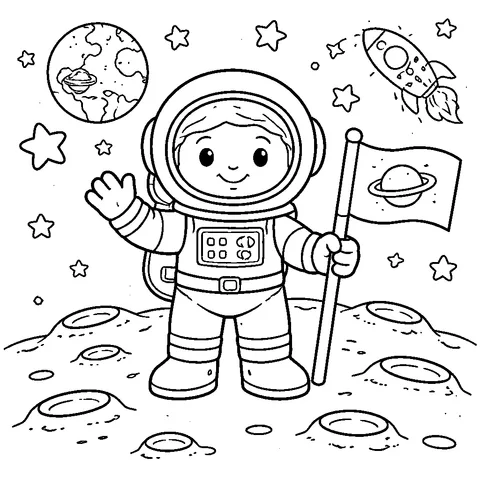
A space coloring page can lead to a conversation without turning the table into a quiz. Start with what the child notices, then ask a question that can have more than one imaginative answer. If a science question comes up, share a short fact and keep pretend ideas welcome too.
Questions to ask while coloring
- Notice: What do you see first? Which part would you like to color?
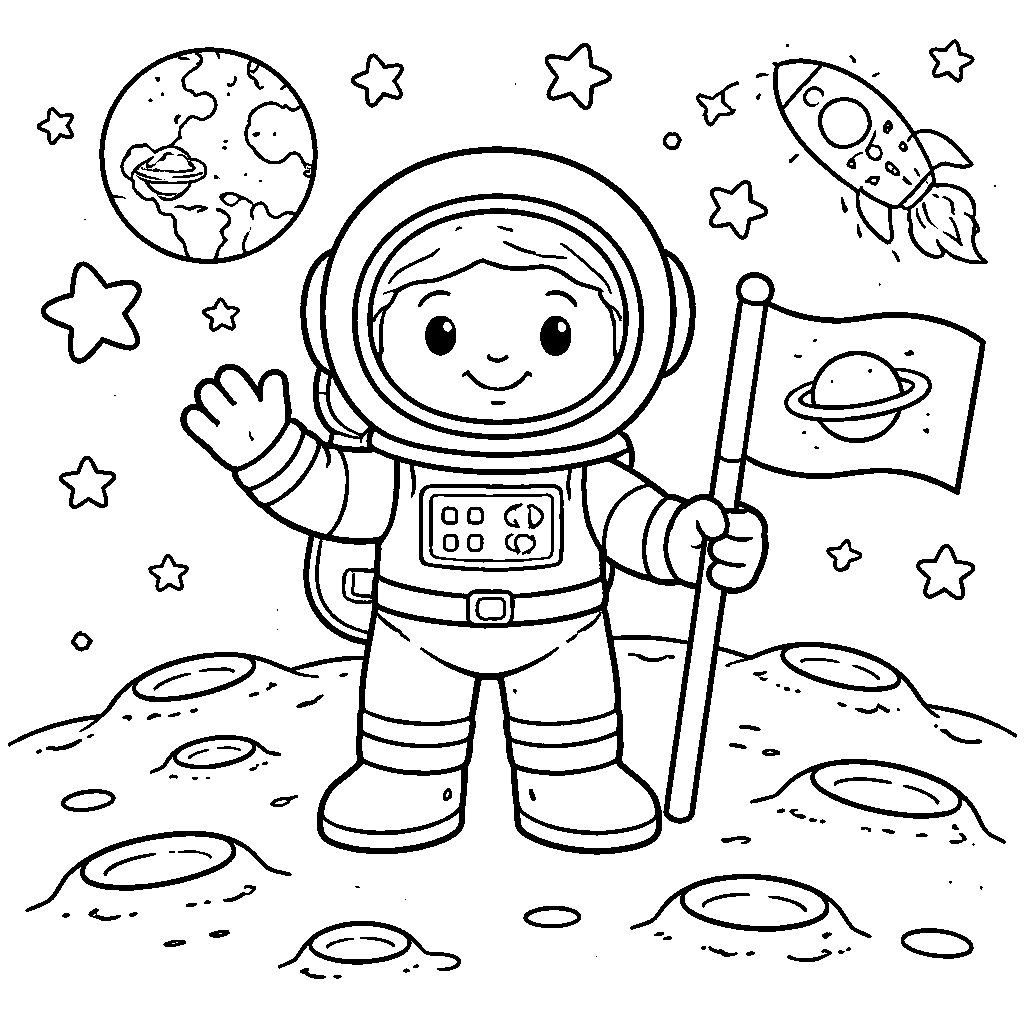
- Describe: What might the astronaut be looking at? What details make you think that?
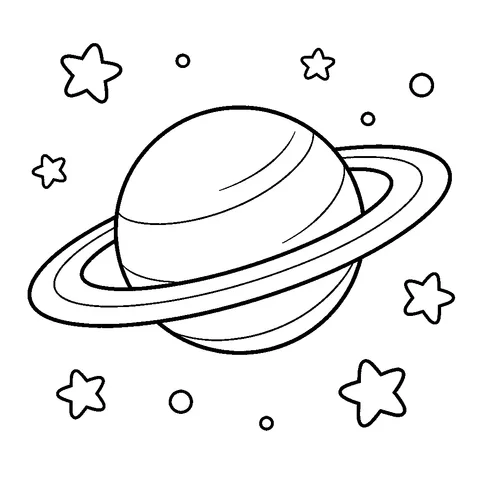
- Imagine: If this planet had a name, what would you call it? What might the ground look like in your pretend story?
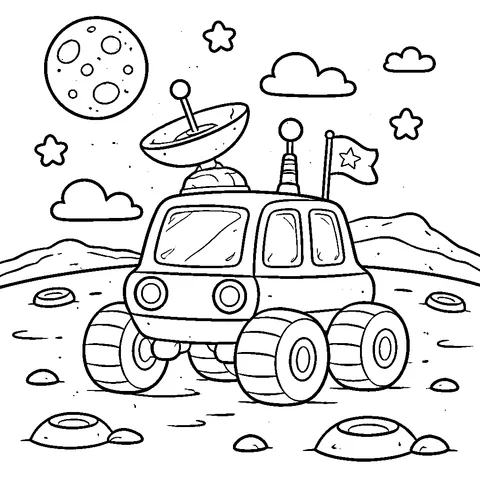
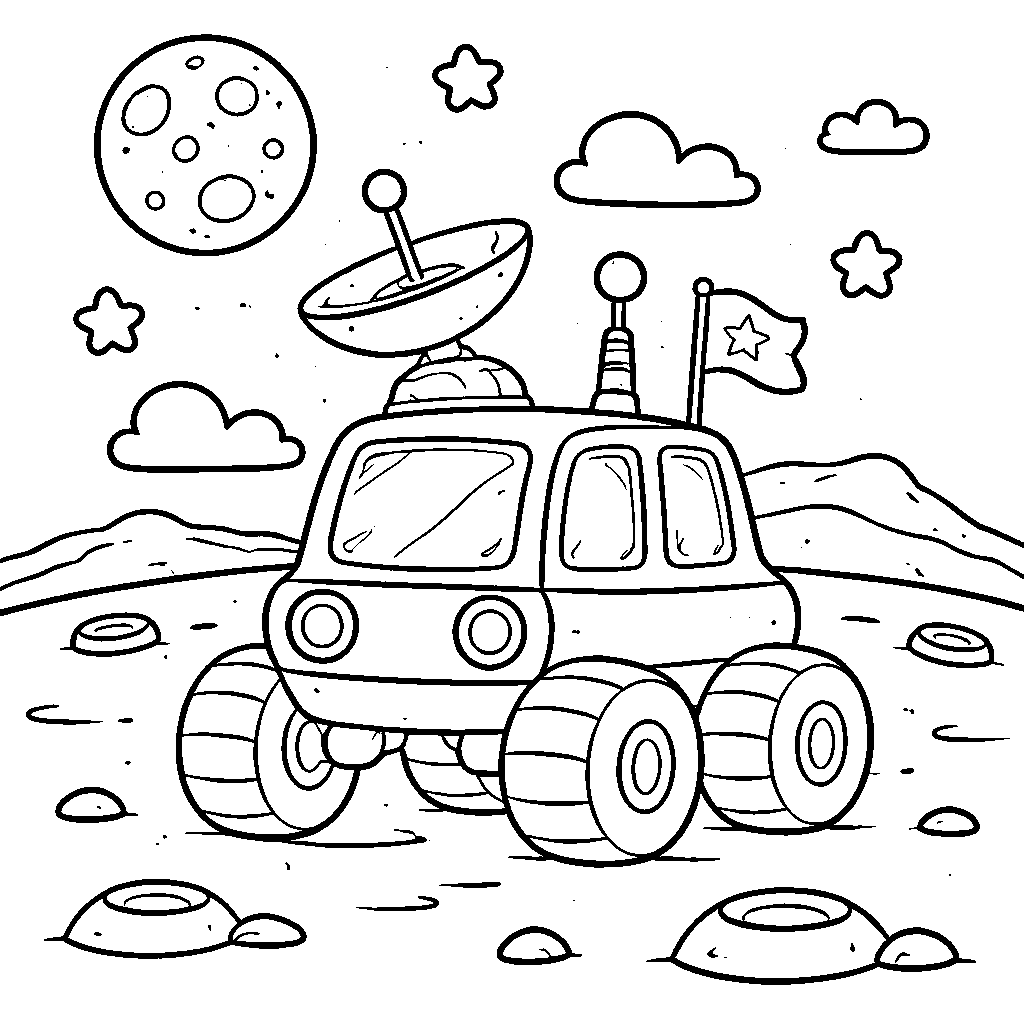
- Compare: How does the Moon page look different from the planet page? Which one would you like to visit in a story?
- Plan: What tool might the astronaut carry? What would you pack for an imaginary trip?
- Tell: What could happen next? Would the character meet someone or discover something?
Accept pointing, drawing, a short answer, or silence. The prompts are optional; do not expect a child to explain every picture.
Keep one science fact clear
If the conversation turns to the Moon, you can share: the Moon does not make its own light; the bright part we see reflects sunlight. NASA explains this and other Moon questions in its skywatching resources. Then invite the child to color or draw what the Moon looks like in their own story. Label the difference simply: “That's a real Moon fact; this part is your imagination.”
For ages 4-7, keep explanations short and follow the child's question. NASA's Space Place is designed for older elementary learners, so use its material as an adult reference rather than expecting a preschooler to read it independently.
Choose pages for the conversation
Our Space & Science collection includes astronauts, Moon rovers, planets, and comets. Select one or two pages, and add a blank sheet for an invented planet or rocket. Use the PDF creator to put a small selection together. Let the child lead whether the session becomes coloring, a story, or a science question.