Learning
What to Say While a Child Colors: Open-Ended Prompts That Help
The most useful comment may be an observation, a pause, or a question with more than one possible answer.
The most useful comment may be an observation, a pause, or a question with more than one possible answer.
Set up the activity
Try describing what you notice: “You chose three shades of green,” or ask, “What would you like to add next?” For a child who wants to talk, prompts such as “Tell me about this part” can invite a story without guessing what the picture is. Silence is fine too; not every moment needs an adult question.
Keep participation flexible
Avoid turning the activity into a quiz about colors, letters, or staying inside outlines. Follow the child’s lead, accept a short answer or no answer, and give time to think. NAEYC’s process-focused art guidance recommends noticing and commenting on children’s choices rather than imposing a required result. Adapt the language to the child’s home language and communication style.
Choose the pages
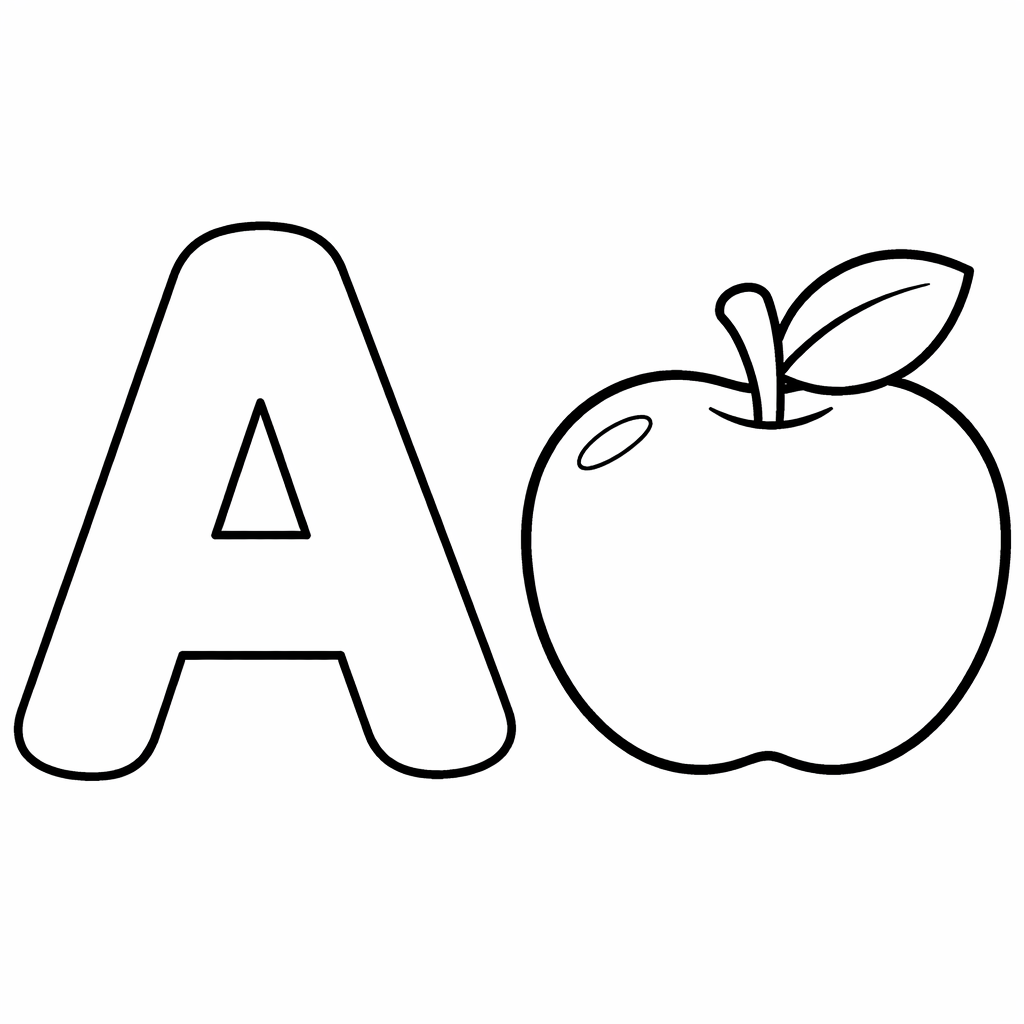
Choose a few options from the Letters collection. Combine the pages you need in the PDF creator.
A prompt ladder that leaves the lead with the child
Start with a pause. If the child seems open to conversation, describe one visible choice: “You made a long orange line.” Wait several seconds before adding anything. If the child responds, follow their words with a genuine question such as “What happens next?” or “Would you like to tell me about that part?” If they do not respond, return attention to the page without repeating the question.
Keep a few prompts ready for different moments: “What would you like to add?”, “Which part should I look at?”, or “Would you like to tell me, show me, or keep coloring?” These questions accept speech, gesture, pointing, and silence. Avoid questions that test a predetermined answer (“What color is the sky?”) or praise that compares children (“You did it better than…”).
The adult’s job is not to keep the conversation going at all costs. NAEYC’s process-art guidance recommends noticing what children do and responding to their ideas. A quiet child may be concentrating, and a child who changes the subject is showing you where their interest has moved. Let the page remain theirs.