By age
How to Choose Coloring Pages for Ages 2-4
Use a quick visual check to find pages with a clear subject, open spaces, and a comfortable amount of detail for the child in front of you.
A page labeled for toddlers or preschoolers is only a starting point. Children the same age can prefer very different subjects, tools, and levels of detail. Instead of treating age as a pass-or-fail rule, use a quick visual check, then let the child show you whether the page feels inviting.
The five-second page check
Before printing, glance at the page and ask:
- Is there one clear subject? A single large object is easier to scan than a crowded scene.
- Are there open spaces? Broad areas give a child room to make marks without needing precise control.
- Can I see the main outline quickly? Strong, uncluttered boundaries make the picture easier to understand at a glance.
- Is the subject familiar or interesting to this child? A favorite animal or everyday object may matter more than the age label.
- Could a short visit to the page feel complete? A coloring page can be put down and returned to; it does not need to be finished in one sitting.
This is a practical selection aid, not a developmental test. If a child is curious about a more detailed picture, offer it. If a simple page is not appealing, choose another subject.
What to look for
For a first try, choose one large subject with generous white space and a few visible details. A big star, apple, balloon, or flower can be easier to approach than a scene with many small objects. Thick, clear outlines can help the picture remain legible when printed, but the child does not need to color precisely inside them.
Keep the experience low-pressure. Put out two or three options and ask which one the child would like. Offer chunky crayons if they are comfortable to hold, or use whatever drawing tool the child already enjoys and can use safely with an adult nearby. Some children will make a few marks, tell a story about the picture, or move on to drawing their own idea. Those are all valid ways to engage.
What to skip on a first attempt
Consider setting aside pages with many tiny sections, several overlapping subjects, intricate backgrounds, or text that competes with the picture. These features are not automatically “too hard”; they may simply make a less inviting first choice for a child looking for a quick, open area to color. Keep a variety available and follow the child's interest.
Try three examples
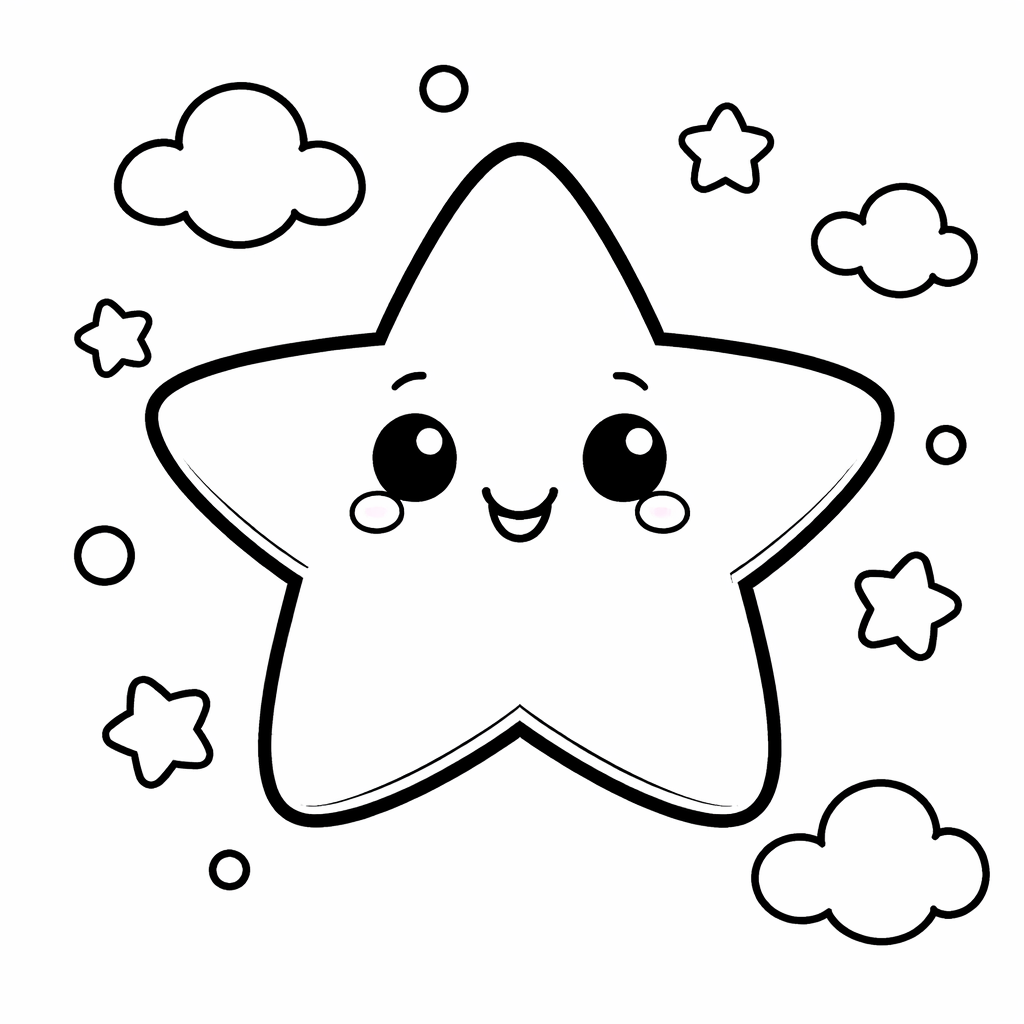
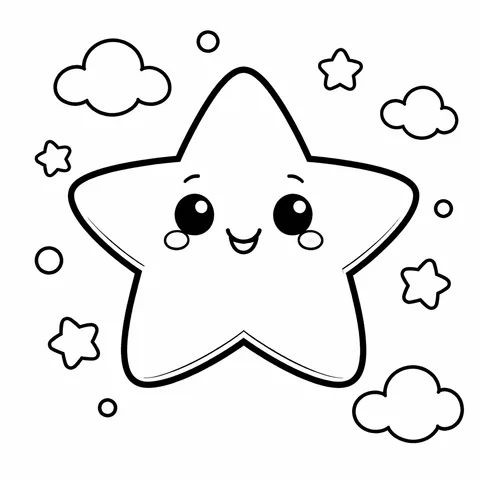
- Big star: one central shape with plenty of open area. Ask what colors the child wants to use, without suggesting there is a correct choice.
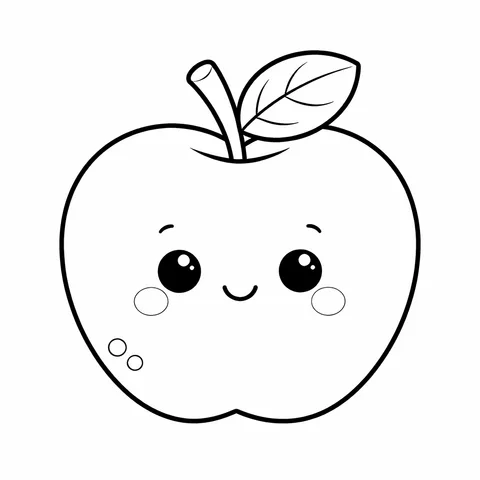
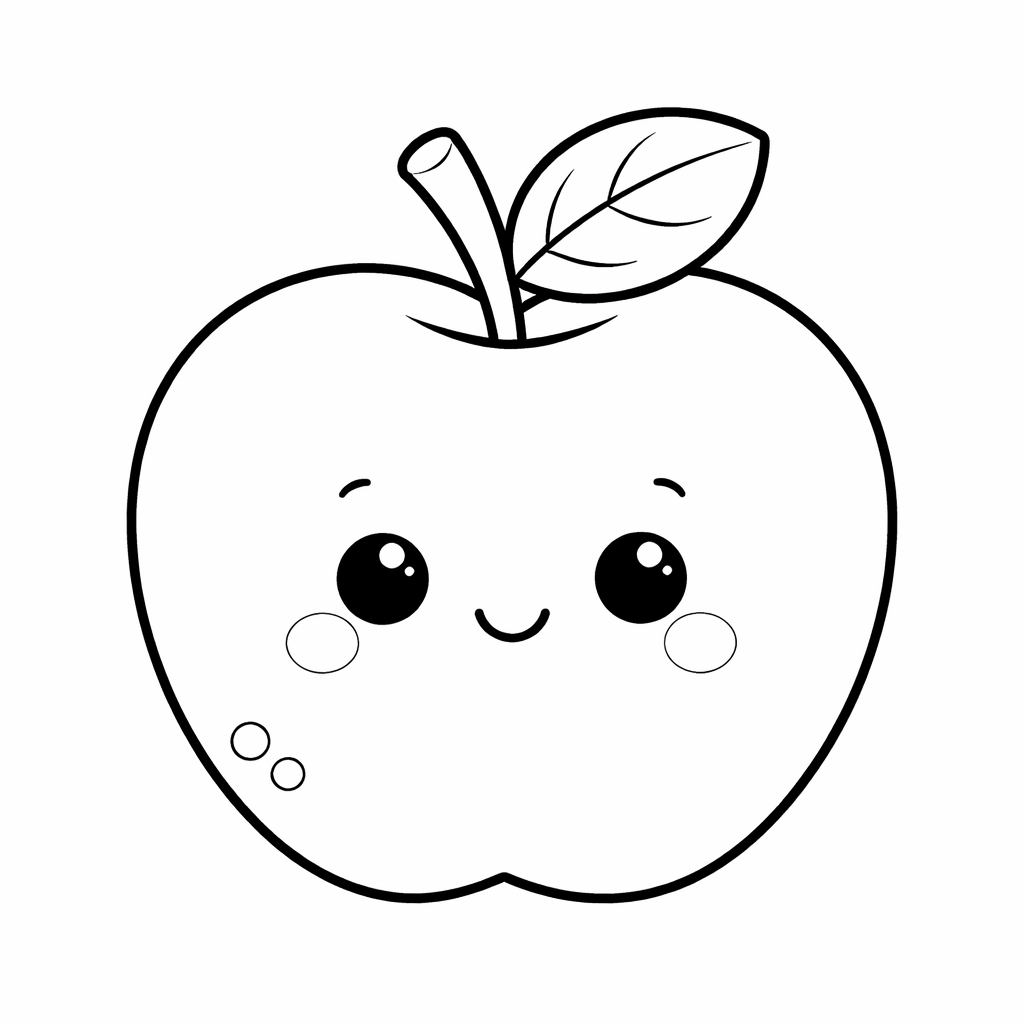
- Big apple: a familiar subject with a few recognizable parts. The child might color, point to the stem, or add a second apple on scrap paper.
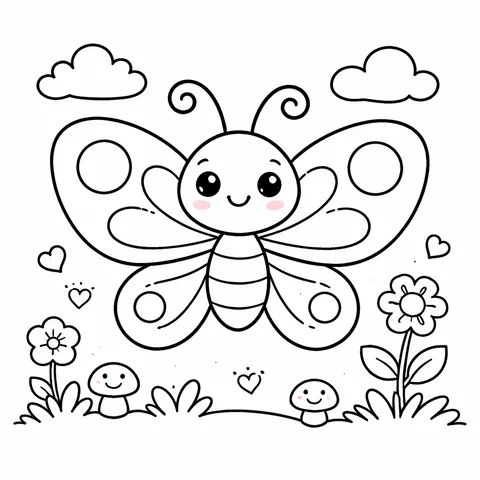
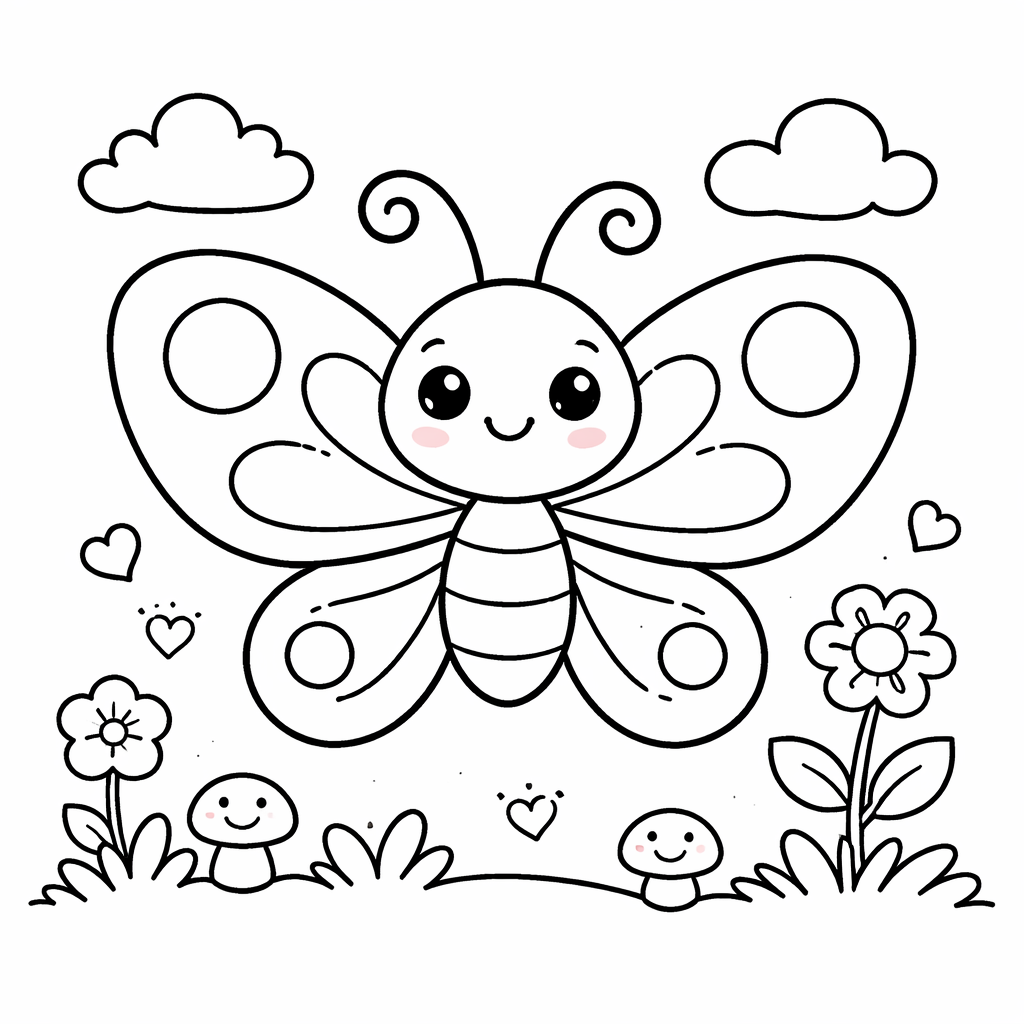
- Big butterfly: a little more visual structure while keeping the main subject easy to spot. Let the child decide whether to repeat a pattern or make each wing different.
The examples come from our Easy Coloring Pages collection. Preview any printable at full size before choosing it; thumbnail views can hide small details.
Follow the child's cues
If the child leans in, talks about the picture, or asks for another page, the choice is working for now. If they leave the table, change tools, or switch to free drawing, let the activity end or change. NAEYC's developmentally appropriate practice principles emphasize knowing the individual child and supporting agency; a page choice should respond to the child, not force every child into the same result.
Keep sessions brief when that suits the child. There is no required number of minutes, number of pages, or finished product. Invite exploration, and avoid correcting grip, colors, or line placement unless the child asks for help.
Build a small printable set
Start with two or three large, distinct subjects rather than printing a stack. Browse easy coloring pages or use the ages 2-4 page to explore more options. You can also add only the pictures the child chooses in the custom PDF creator.