By age
A First Coloring Activity for 3-Year-Olds: Three Easy Ways to Start
Make a first coloring session feel simple: offer a few appealing pages, familiar tools, and room to stop, switch, or draw something new.
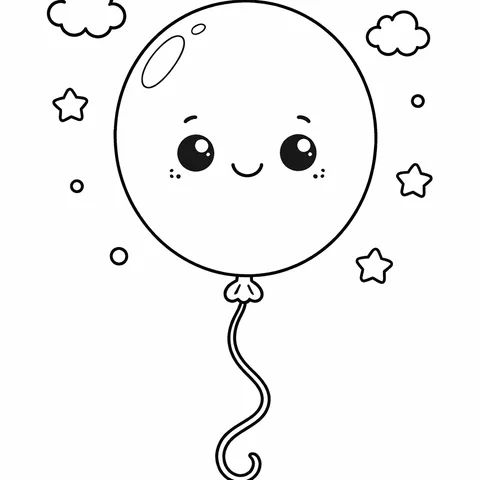
A first coloring activity does not need a worksheet goal or a finished page. Set out a few clear pictures, a comfortable drawing tool, and blank paper. Then let the child decide what to do with the invitation. This is a practical starting point for a three-year-old, not a rule about what every child of that age should be able to do.
A simple five-minute setup
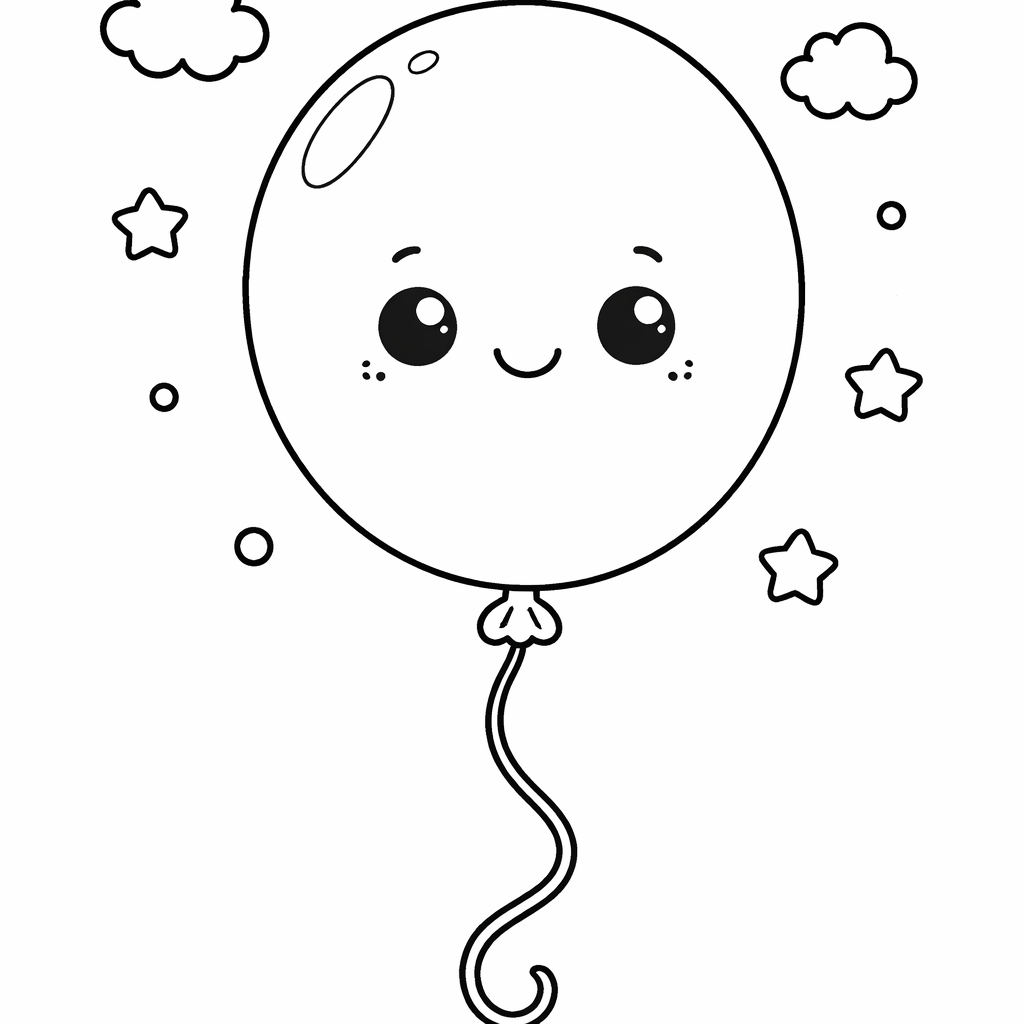
Choose two or three pages with one large subject, such as a cloud, balloon, or heart. Put them beside blank paper and a small selection of crayons or pencils the child can use safely with an adult nearby. Sit close enough to help with materials, but leave the picture and the choices to the child.
Try an open invitation: “Would you like to pick a picture, draw on this paper, or just look?” If the child chooses a printable, ask whether they want one tool or another. Avoid demonstrating a “right” color or finished example before they begin.
Three ways to begin
- Pick one detail: Point to a large shape and invite the child to decide whether to add a color or mark. They may also point or name it without coloring.
- Make a color choice: Offer two colors and let the child choose, or put out a few more if that feels manageable. There is no required match between an object and a color.
- Add something new: After a few marks, ask whether the picture needs a friend, a background, or nothing else. The child can answer with words, a gesture, another drawing, or no answer.
These are invitations, not steps the child has to complete. Follow their interest rather than moving through every idea.
When to change the activity
If the child asks for another page, offer one. If they shift to drawing on blank paper, let the printable become a starting point rather than pulling them back to it. If they walk away, you can put the materials aside and try another time. A short interaction can be enough; there is no target number of minutes or pages.
NAEYC's process-focused art guidance describes art as a child-choice experience with room to explore, and recommends allowing children to come and go from their work. That is a useful way to keep a first coloring session relaxed instead of judging it by how much of the page is filled.
Choosing a page for this activity
Look for a main subject that is easy to spot and has room for broad marks. Our Easy Coloring Pages collection includes large, simple options such as a cloud, balloon, and heart. Preview the complete image; a small thumbnail can hide fine details.
For a small take-home set, choose one or two pages together and add them to the PDF creator. You can also skip printing and use blank paper. The goal is to make an easy invitation, not to complete a product.