Learning
Three Coloring Pages, One Story: A Preschool Sequencing Game
Three related pictures can become a beginning, middle, and ending for a child-made story. The child decides what happens; the pages are prompts, not a script.
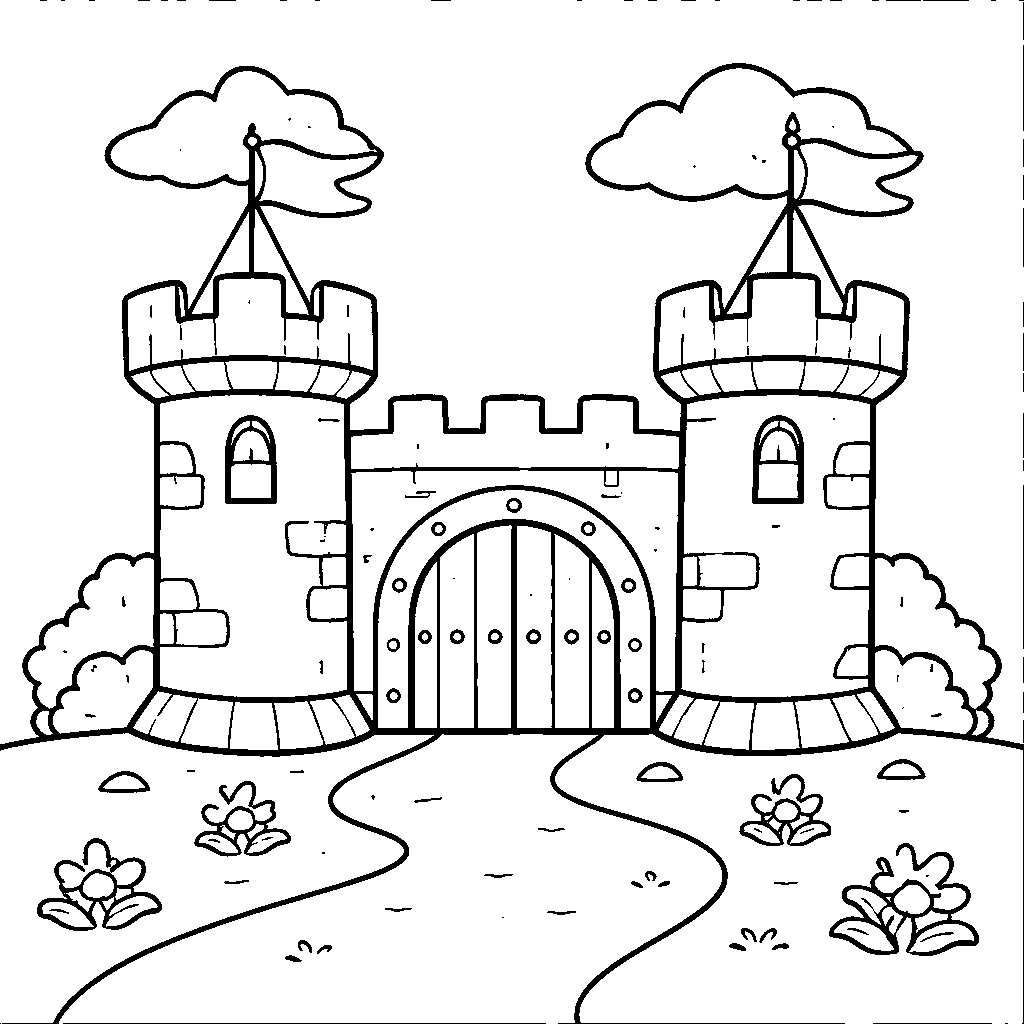
Three related pictures can become a beginning, middle, and ending for a child-made story. The child decides what happens; the pages are prompts, not a script.
Set up the activity
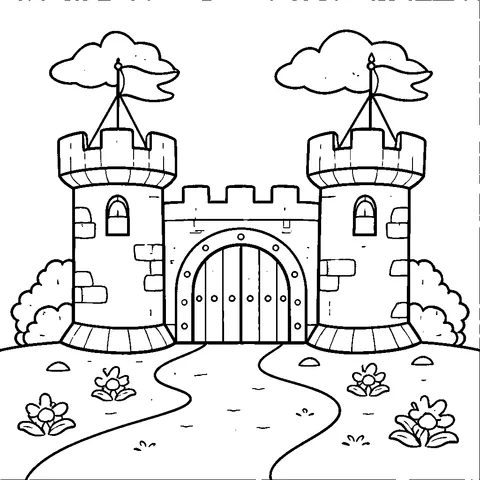
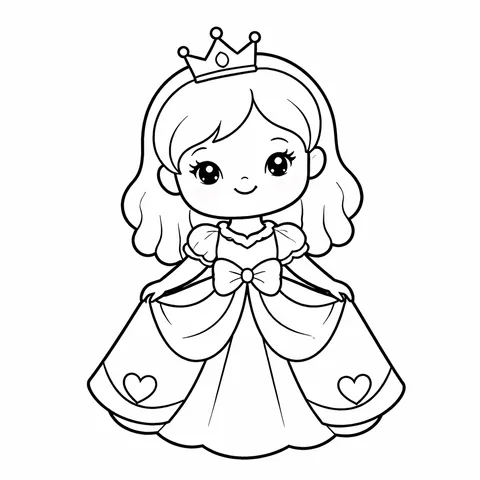
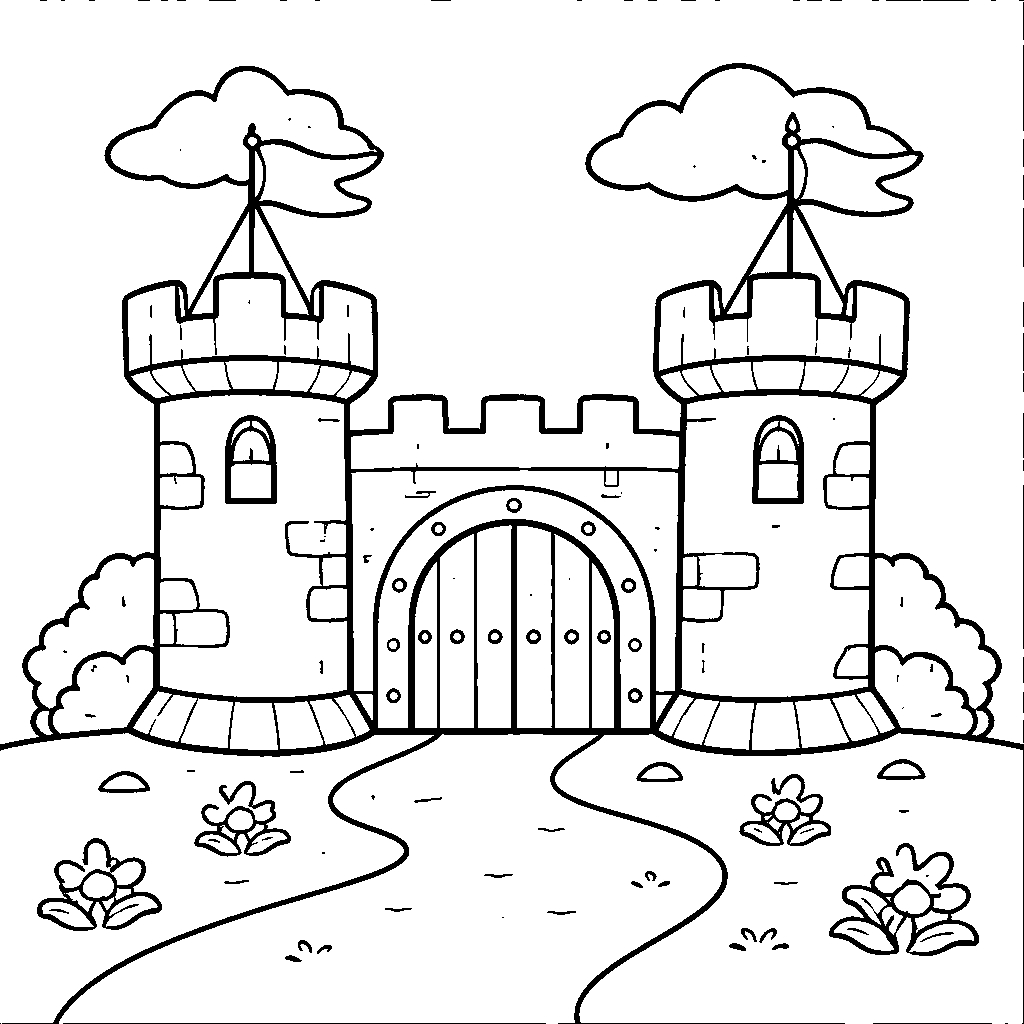
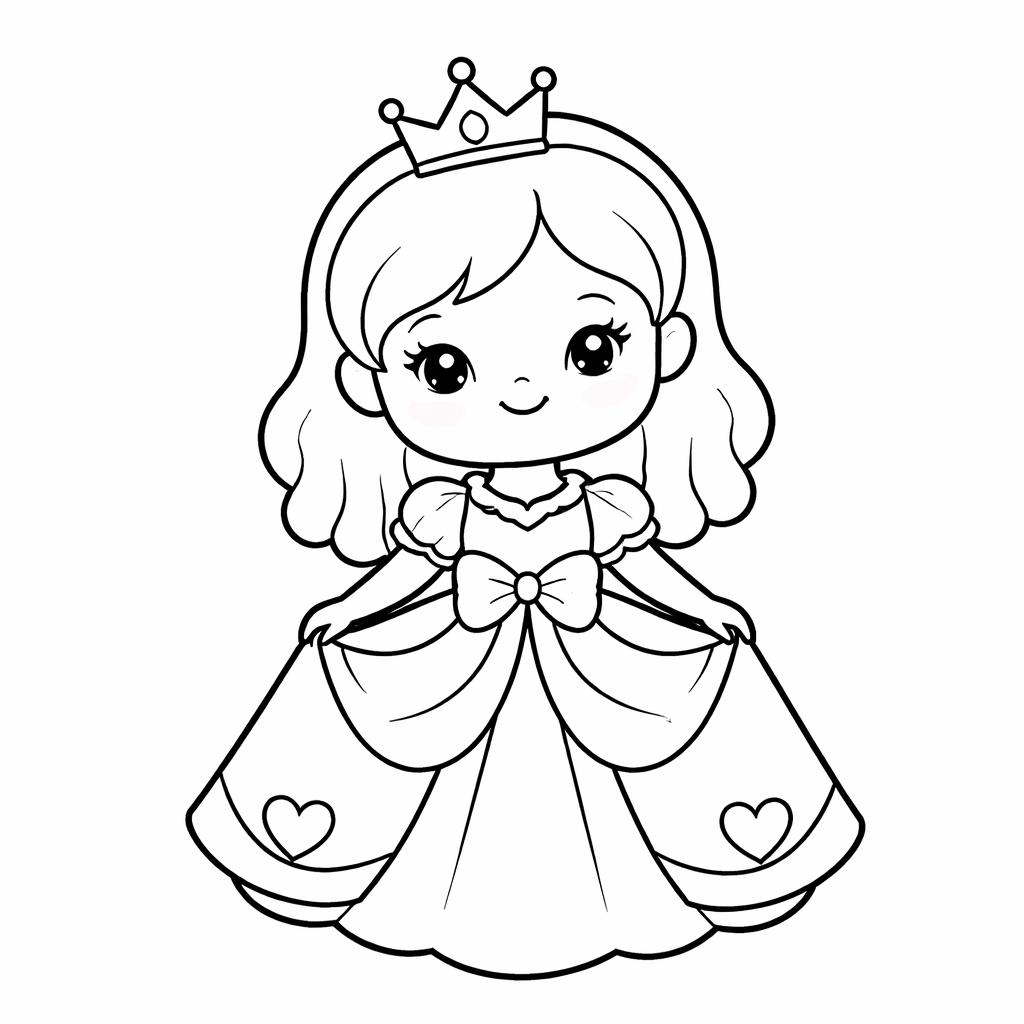
Choose three pages with a shared character or setting. Put them in any order and ask whether the child wants to make up what might be happening. Let the child rearrange the pictures, add a drawing between two scenes, or dictate a caption. For a group, each child can contribute one sentence or simply point to a detail. There is no required plot or correct sequence.
Leave room for the child’s choices
If the pictures do not naturally connect, invite the child to invent the link rather than correcting them. Keep the story language child-led, and write down their words only with permission. NAEYC describes art as one way young children can express experiences and develop communication; this activity is a playful invitation, not a literacy test. A single page or no story at all is also fine.
Choose the pages
Start with the Fairy Tale Friends collection. Combine your selected pages with the PDF creator.
A three-scene story workshop
Set out three related pages, blank strips of paper, and a pencil for captions. Ask the child to choose which picture might come first; accept any order and ask what clue led to that choice. Invite them to move the cards until the sequence feels right. Between two pictures, they can draw a new scene or dictate a connecting sentence. An adult can write the exact sentence on a strip and let the child place it.
Offer a few neutral prompts: “Who is here?”, “What changed?”, “What might happen next?” The child may answer with a word, point, sound effect, or additional drawing. For a group, pass the story in a circle, with each child adding one optional detail; do not require every child to speak.
If the pages do not depict a clear sequence, that is useful: children can create a surprising link or make three separate episodes. NAEYC describes art as a way for young children to express experiences and develop communication. Keep the child’s words intact and ask permission before sharing the finished story with others.