Learning
Display Children’s Coloring: A Respectful Classroom Gallery
A classroom display can celebrate children’s ideas without ranking work or turning every page into a finished-product showcase.
A classroom display can celebrate children’s ideas without ranking work or turning every page into a finished-product showcase.
Set up the activity
Ask each child whether they want to display, take home, or keep their page in a folder. If they agree, invite them to choose a title or dictate a sentence about one detail. Use a simple label with the child’s words and date; avoid adding adult interpretations the child did not give. Rotate work so the same children are not always featured.
Keep participation flexible
Keep the display at children’s eye level and make opting out ordinary. Check your setting’s photo and privacy rules before adding names or images. NAEYC’s process-art guidance emphasizes that children should have a choice about whether work is displayed or taken home. The point is to make the child’s thinking visible, not to judge neatness or compare results.
Choose the pages
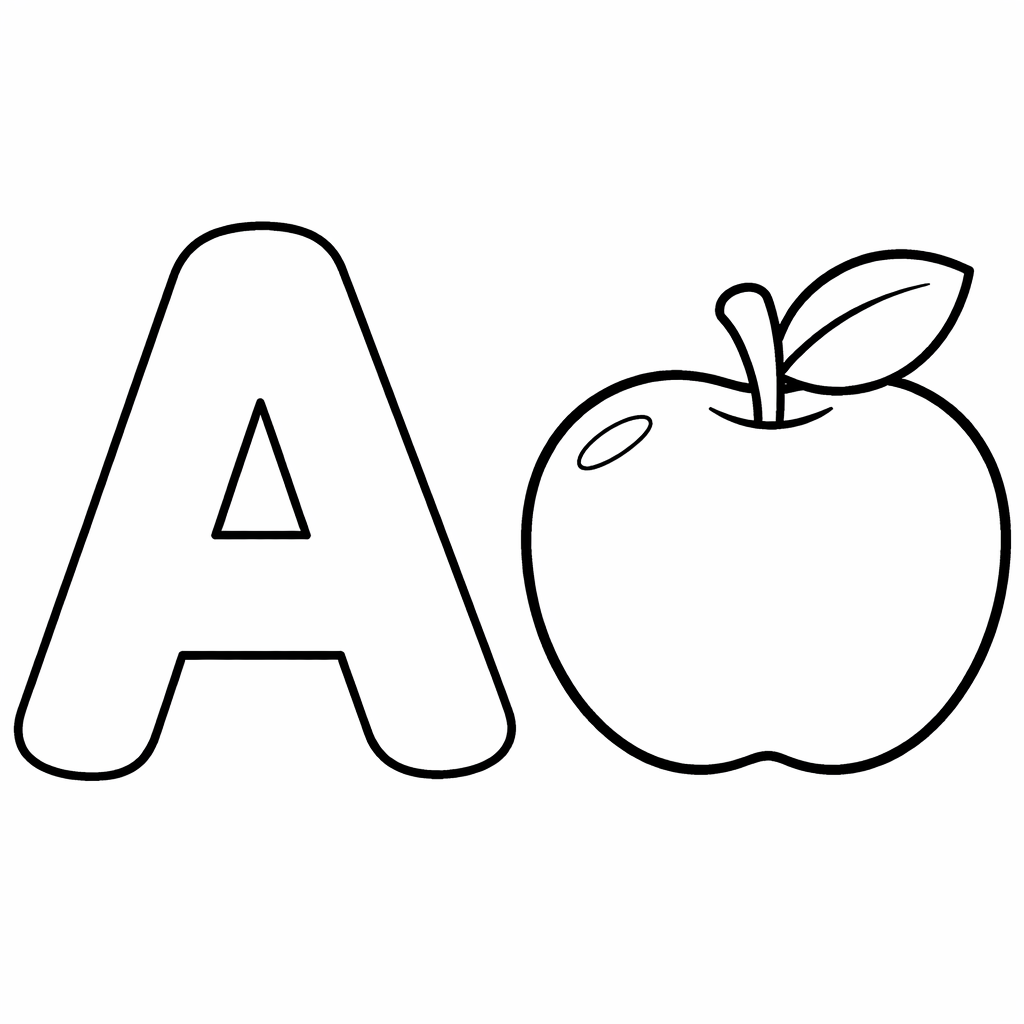
Choose a few options from the Letters collection. Combine the pages you need in the PDF creator.
Make the display child-owned
Before hanging a page, ask the child whether they want it displayed, taken home, or kept in a folder. Offer the same choice each time so saying no feels ordinary. If they choose the wall, ask where they would like it placed and whether they want a title. Record their exact words rather than translating a drawing into an adult interpretation. A simple caption can include the child’s dictated sentence and the date, without a score or comparison.
Plan a rotation that does not depend on who finishes first or whose page looks most like an adult’s example. Keep a small “work in progress” area for unfinished pages, and take work down together when the child is ready. If families will see the display online or in a newsletter, follow the setting’s consent and privacy process separately; permission to hang work in a classroom is not automatically permission to publish a child’s name or image.
A useful gallery conversation describes effort or choices (“You used the whole page”) and avoids ranking. NAEYC’s process-focused art guidance explicitly supports letting children choose whether work goes home or is displayed. The artwork belongs to its maker, even when the class contributed materials or ideas.