Learning
Beyond Staying in the Lines: Process Art with Printables
A printable can be a starting point, not a template children must copy. Here is how to make a familiar page more open-ended while keeping the setup manageable.
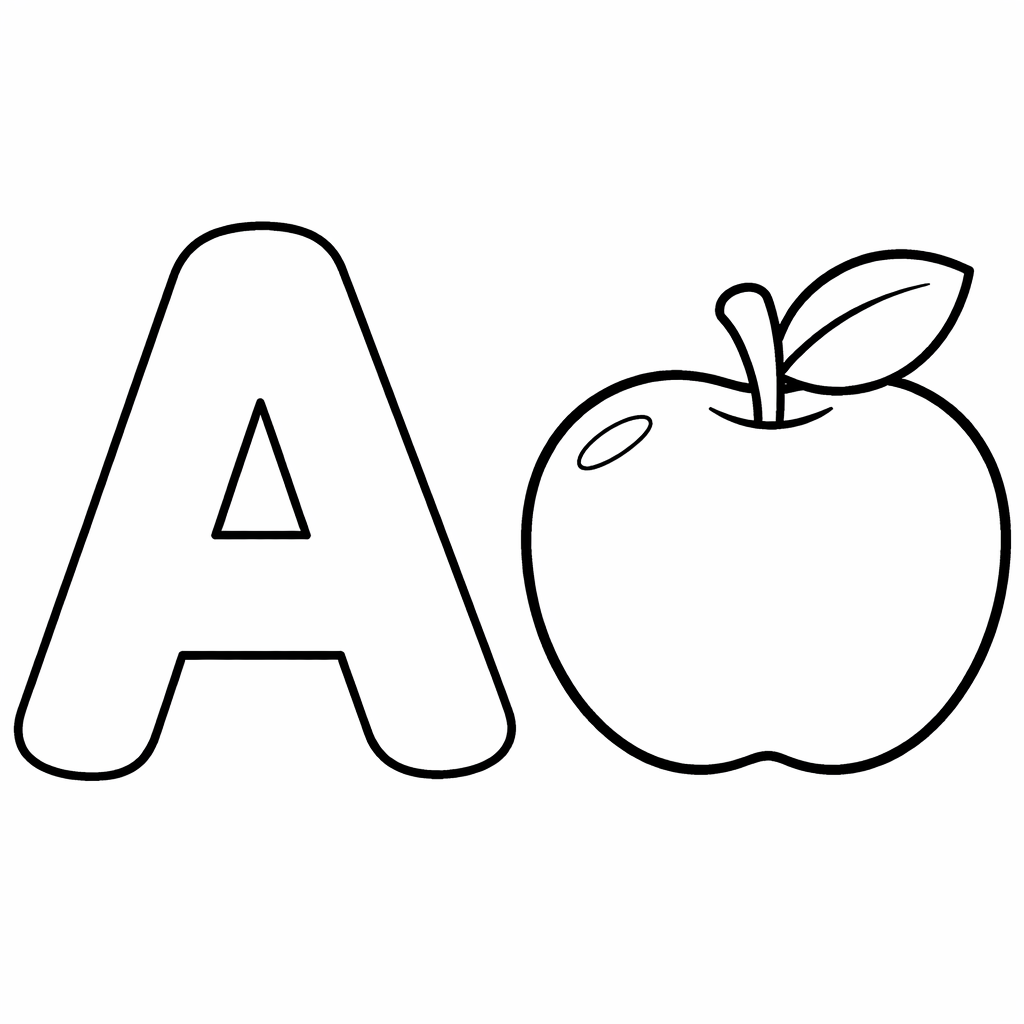
A printable can be a starting point, not a template children must copy. Here is how to make a familiar page more open-ended while keeping the setup manageable.
Set up the activity
Put out a few pages, blank paper, and a small choice of materials. Children might color one detail, cover the page with a repeating mark, draw a new setting, or decide not to use the printable at all. Avoid showing a finished sample that implies one correct outcome. Let children choose how long to stay and whether to share.
Keep participation flexible
Adults can describe what they see (“You made many tiny blue marks”) instead of judging the result or guessing what it represents. NAEYC describes process-focused art as child-chosen exploration without a required model or right answer. A printable still has value when the child changes it, leaves it unfinished, or uses it as a prompt for something else.
Choose the pages
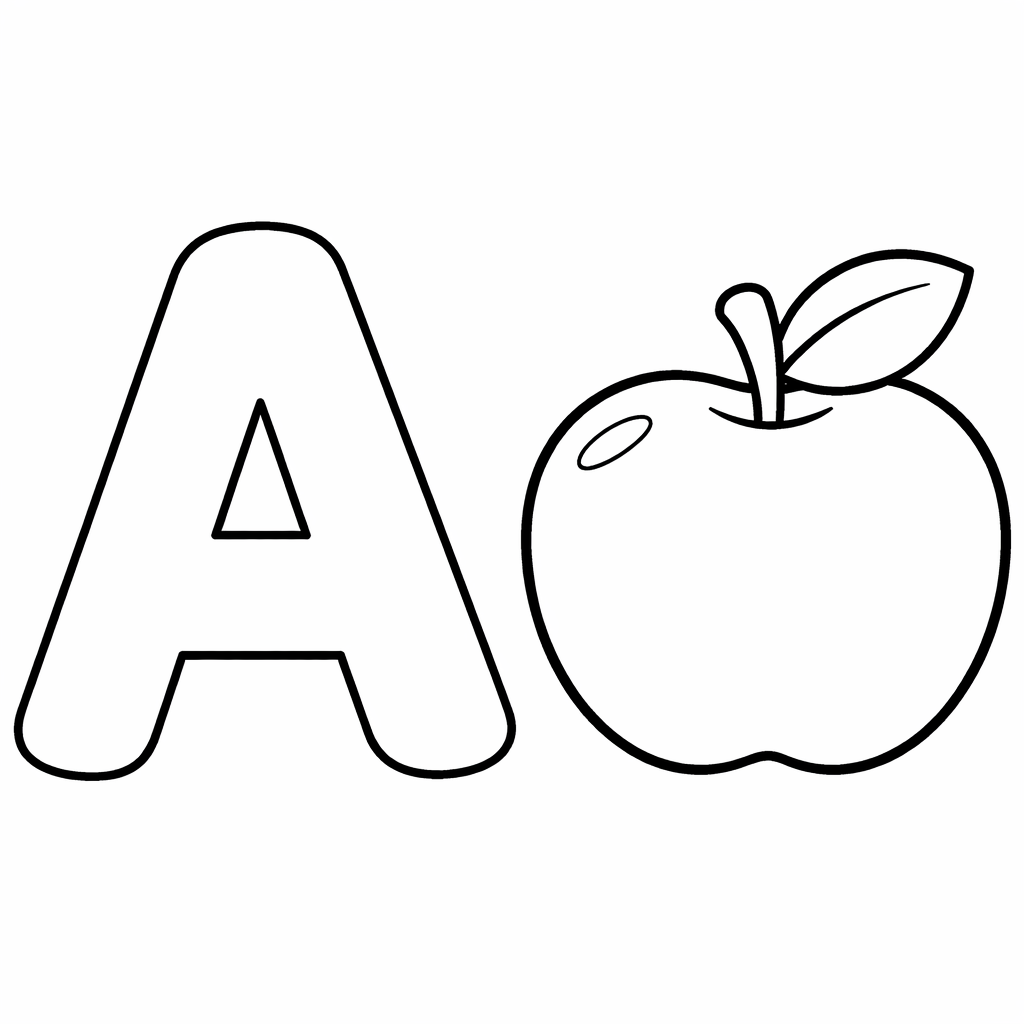
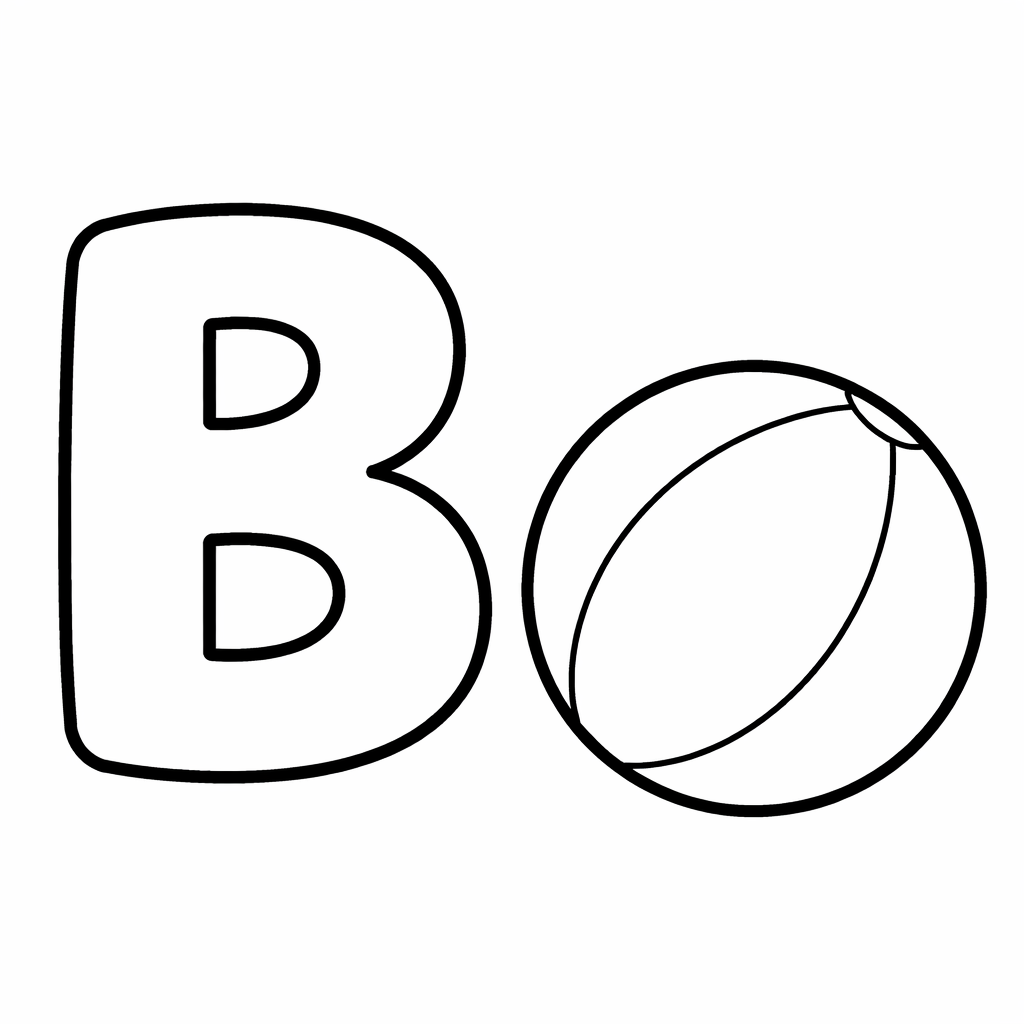
Choose a few options from the Letters collection. Combine the pages you need in the PDF creator.
A practical choice-led setup
Use one printable as an invitation alongside two alternatives: blank paper and a small selection of tools. Before children arrive, decide what is safe to use and how the table will be cleaned; leave the artistic decision open. A child might color a single object, draw beyond the outline, cover the page with a repeated mark, or move to blank paper. Each is a valid way to participate.
Try a short observation rather than an evaluation: “You filled the edge with little green marks.” Then pause. If the child asks what to do next, offer two neutral possibilities (“Would you like another color or more space?”) rather than demonstrating a finished example. Take a note about the child’s process only when useful, and ask permission before displaying or sharing the work.
A printable can still be useful in a process-focused activity, but it should not quietly become a template everyone must complete. Keep a few copies available so one child’s changes do not need to be erased for the next child. If the group prefers a guided craft on another day, that can also have a place; name the different purpose clearly. NAEYC’s process-art guidance distinguishes open exploration from copying a predetermined product.