Learning
Letter Coloring Pages: First Sounds for Preschoolers
Say the letter, say the word, say the first sound. A gentle way to use letter coloring pages with a young child, at home or in the classroom.
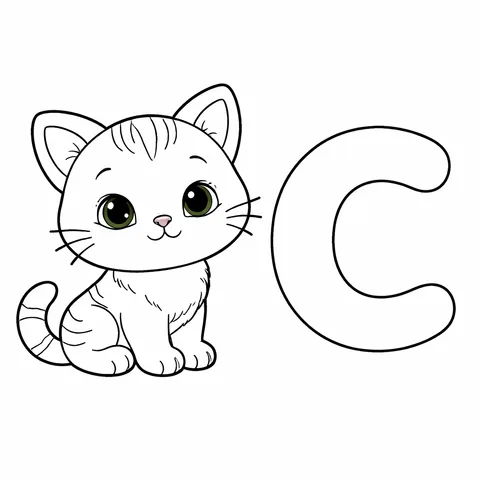
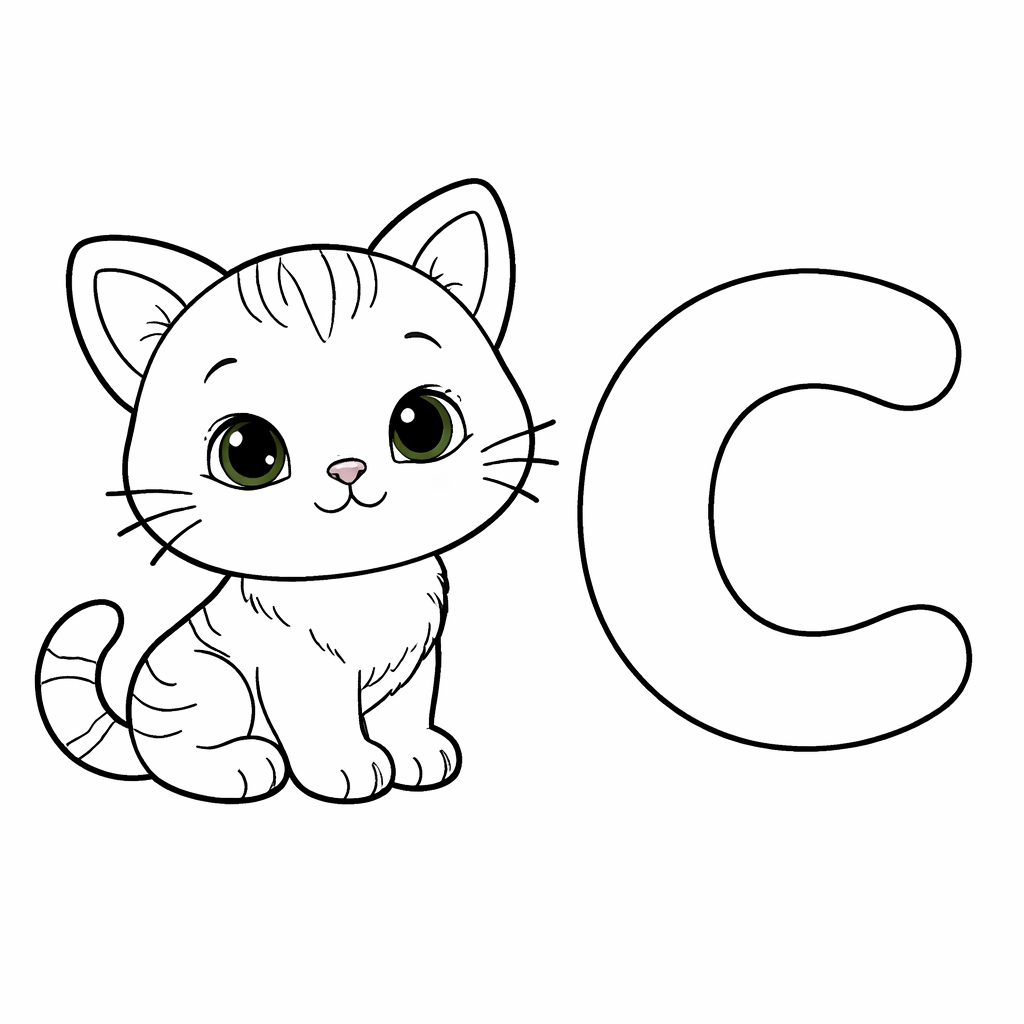
The picture book is open on the floor and your three-year-old is pointing at a page that says C is for Cat. You say the letter name, then the animal name, then the first sound, slowly, "c, c, c." The child says it back to you, badly, and then asks whether the bear on the next page says "b" too. Ten minutes later you have both pages coloured in and a small argument about whether the apple really starts with the same sound as the bear.
Letters work like this in real homes and real classrooms. A printed letter page gives a child the letter, the picture and the word in the same picture, so the three of them can be talked about together instead of separately. What follows is a way to use the pages that stays calm, works at the kitchen table or on a rug, and does not require anything beyond the printed sheet.
The activity in short
The activity has three parts and they can be used in any order. You say the letter name, you say the word that goes with it, and you say the first sound you hear at the beginning of that word. Your child joins in wherever they can, and colouring the picture takes care of the rest of the time.
Nothing has to be perfect. A child who says the sound as "guh" for goat is doing something quite different from a child who says "guh" for girl, and both are useful starting points. NAEYC's guidance on everyday steps to reading and writing puts the same emphasis on short, ordinary conversations like this rather than on formal instruction.
Step by step
1. Point to the letter, not the picture. Start with the letter itself, the big printed character at the top of the page, and say its name. Let the child trace it once with a finger before any colouring starts. A letter that has been touched in the hand already feels more like something you know.
2. Say the word. Give the picture its name: cat, dog, elephant, fox, goat, hippo, iguana, jaguar. Keep the sentence short so the child can join in with the last part of the word, which is the part that carries the sound.
3. Say the first sound, slowly. Pull the sound to the front and let it sit on its own for a second: "c, c, c, cat." This is the step adults often skip because it feels repetitive, and it is the step that makes the letter feel attached to the word rather than merely printed beside it.
4. Let the child say it back. Offer the sound and wait. If the child answers with the whole word instead, accept that answer and try again later, because getting the sound on its own is harder than getting the word. If they make the sound quietly, quietly is fine.
5. Colour and connect. Now let the colouring begin, and keep returning to the sound while you work: "what colour is the cat? c, c, c." The repetition is not nagging, it is the thread running through the activity.
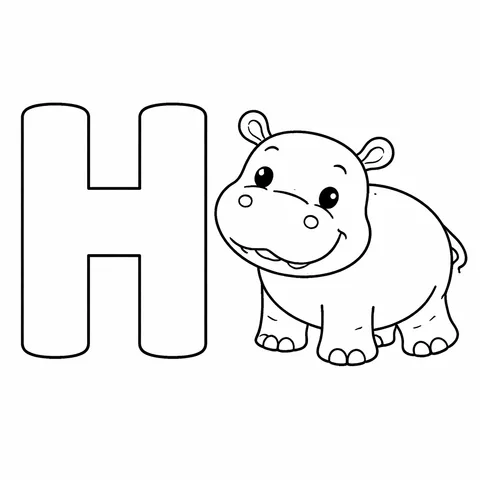
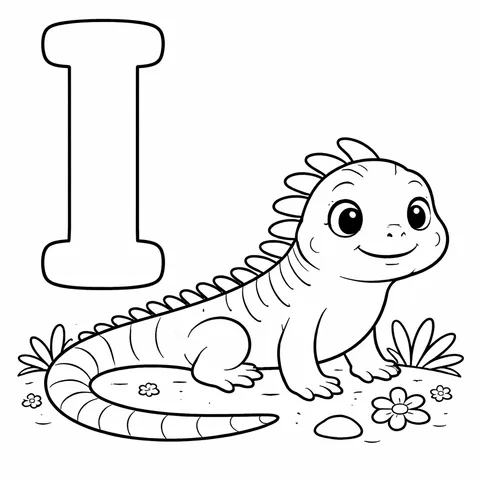
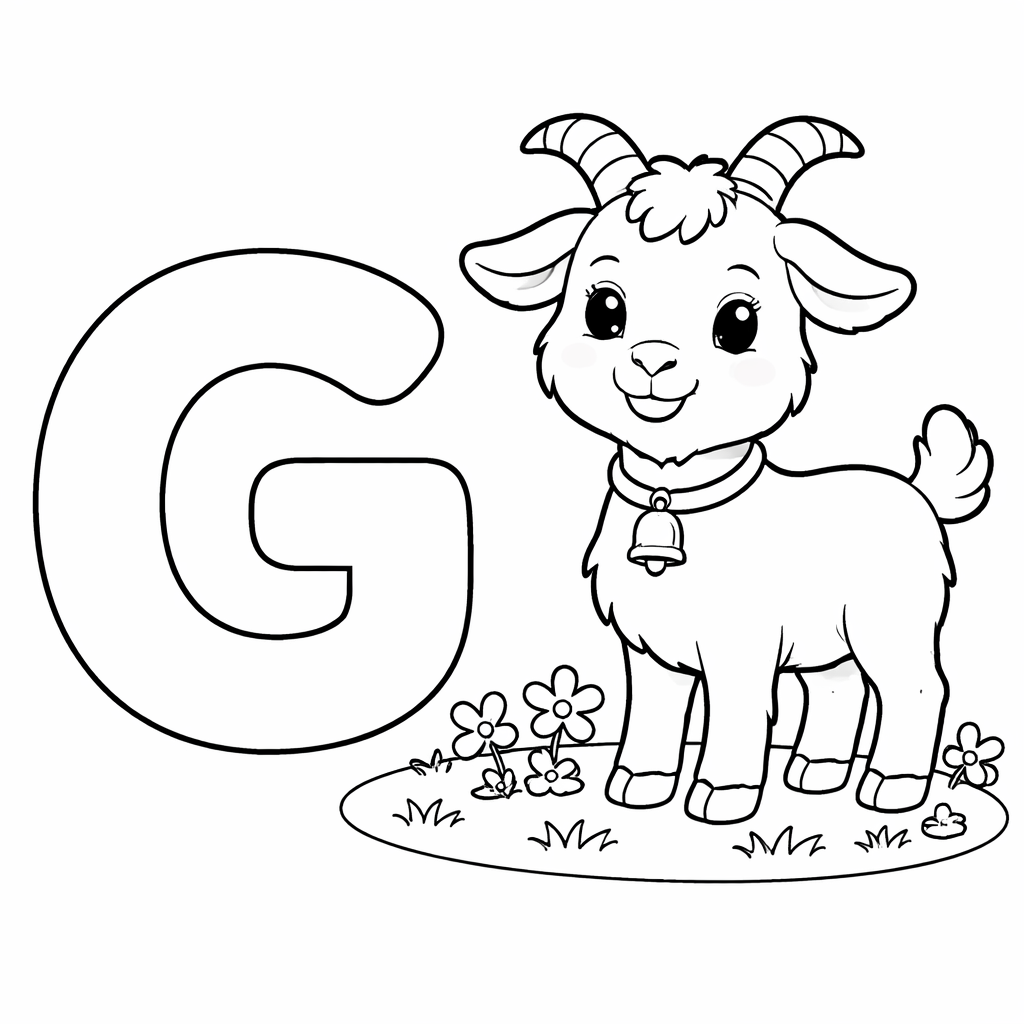
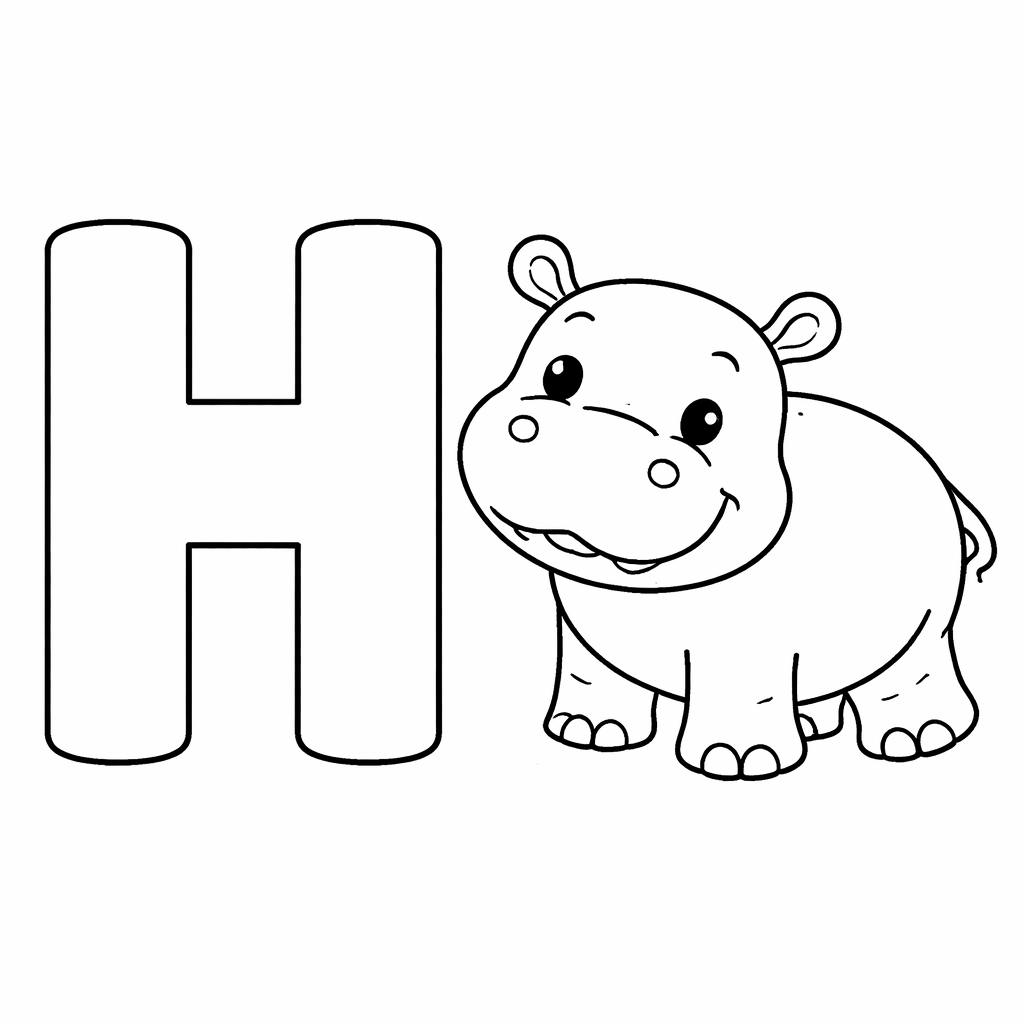
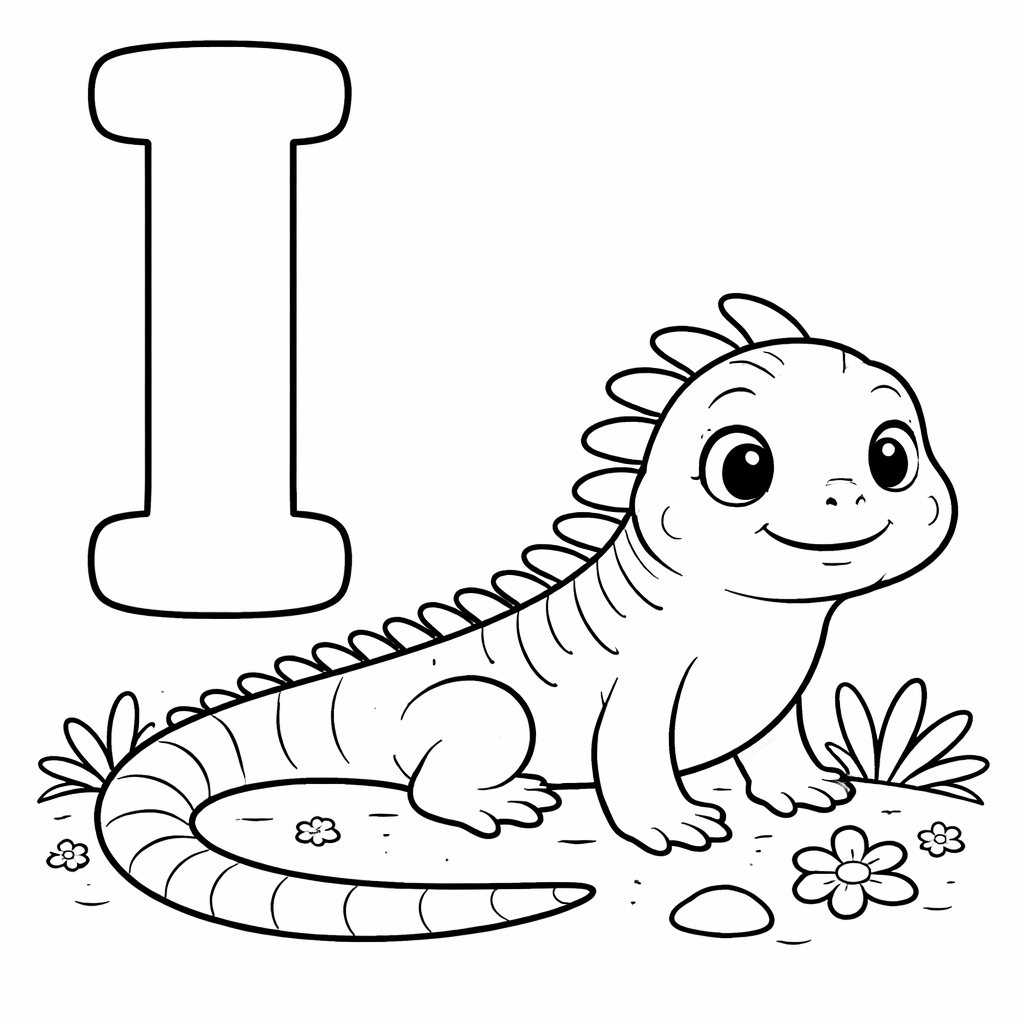
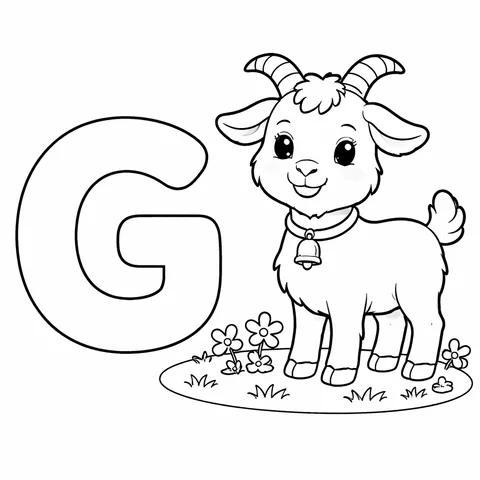
6. Compare two letters. When a page is finished, find another that starts with the same sound or shares the same letter, and ask which one the child prefers. On pages with letters close together, such as G goat, H hippo, I iguana and J jaguar, this is easy to do without any extra materials.
What this practises
The activity puts a letter, a sound and a meaning together, which is the heart of early literacy work. NAEYC's overview of everyday steps to reading and writing describes how print awareness, letter knowledge and the sounds of language are picked up in ordinary moments around the home, and a printed letter page happens to place all three in front of a child at once.
Sound awareness also travels well in a second language. If your child speaks another language at home, the same pictures can carry a letter in each language, and you can say the animal name in both. NAEYC's work on embracing linguistic diversity makes the point that children are supported when the adults around them use the languages the child already understands, rather than insisting on one.
Naming a letter out loud is also a small, repeatable habit. Children who hear letters named in play recognise them more easily later when they meet the same letters on a book spine or a cereal box.
Choosing a page for your child
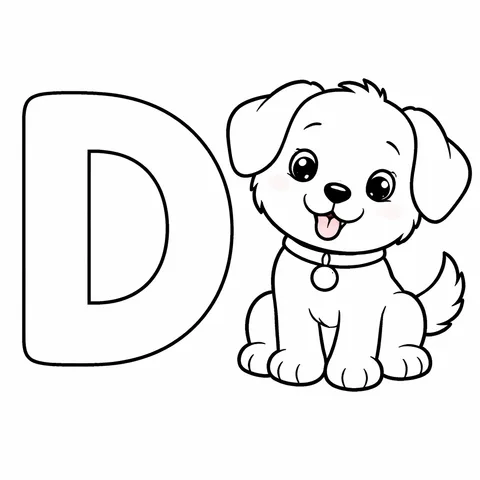
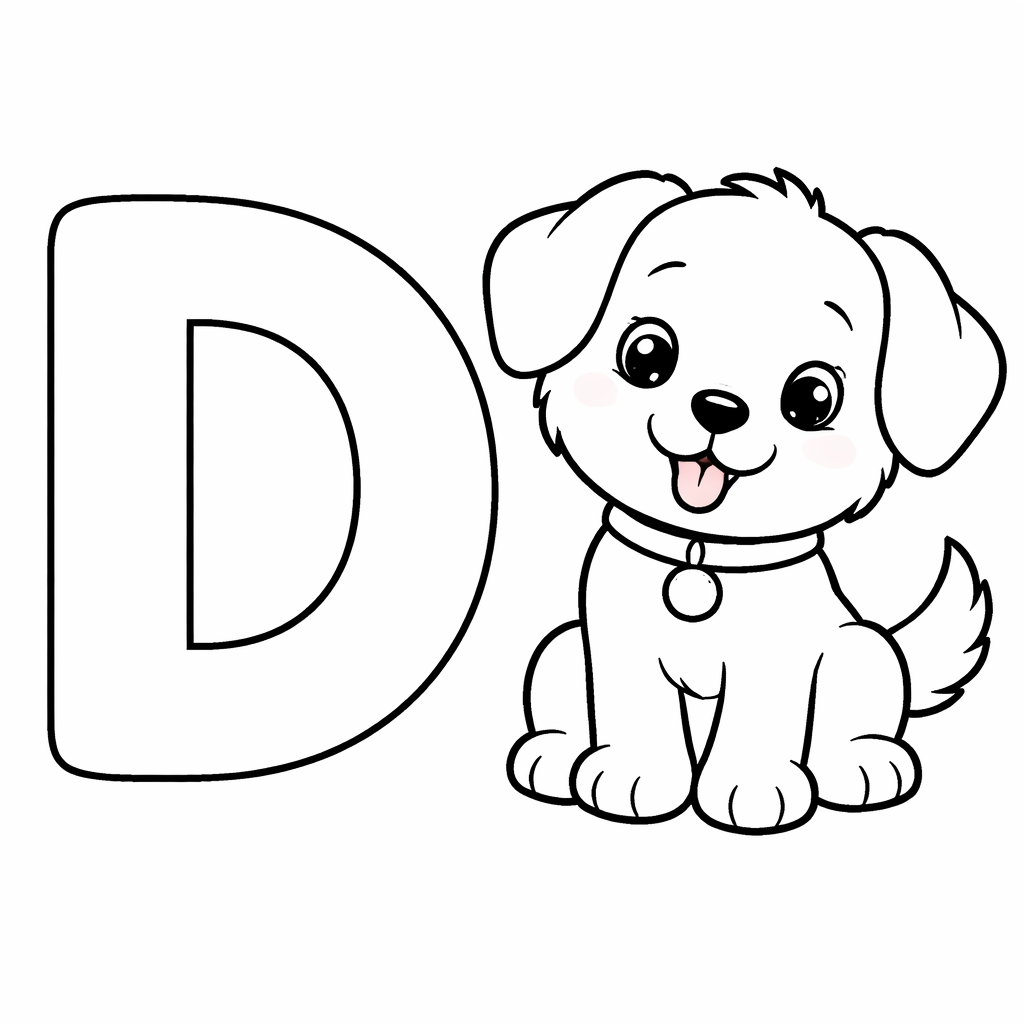
The pages that pair a letter with a single familiar animal, such as C is for Cat, D is for Dog, E is for Elephant and F is for Fox, are marked for the youngest preschool range. They have one picture, one letter and one word, which keeps the conversation short enough for a three-year-old.
The pages that show a letter with a simple object, such as the alphabet apple and the alphabet bear, work in a similar way and are useful when you want to talk about food or animals rather than about sounds.
The G to J animal pages, with the goat, hippo, iguana and jaguar, are marked for a slightly older range because the drawings carry more detail and there is more to look at. A child who is ready for that can spend longer on the picture and treat the letter as the easy part.
Whichever page you choose, the age label is a rough guide. A child who knows their letters well may want a harder picture, and a child who is tired may do better with the simplest one.
If a child finishes early
Ask the child to write the letter in the bottom corner of the page, next to the picture they have coloured. You can draw a dotted letter for them to trace, or simply say the sound while they make a mark that looks like it to them.
The animal pages invite invention. Ask your child to draw the missing friend for the letter, so the goat has a neighbour on the page, and then name the two animals together. That is a drawing task, and drawing is a perfectly good thing to be doing with a printable.
Older children can play a quick sound hunt around the room instead. Ask them to find three things that begin with the same sound as the letter on their page, and to bring them back to the table. A letter and a handful of household objects make a fine sorting game.
Print and use notes
Print at 100% / "actual size" on plain white paper. The letters on these pages are sized to be legible for a child who is still learning to read them, and a reduced copy turns them into thin grey shapes that are hard to trace and easy to misread.
Use "fit to page" only if your printer clips the edge of the sheet. Fit-to-page scales the page down slightly, which thins the outlines of both the letter and the picture around it. If you have to use it, check the letter in the corner of the page before you start.
Print two copies of any letter you want to reuse. A copy in your hand and a copy on the table make a simple matching game for two children, where one covers the picture with a thumb and the other guesses the letter from the first sound.
Card stock is useful if you would rather cut the letters out and keep them in a box, but the pages work perfectly well on ordinary plain white paper, and plain paper keeps the colouring just as clean.