Learning
Talk About Art in Any Language: A Coloring Conversation for Families
A coloring page can invite a relaxed conversation in the language a child knows best. There is no need to translate every word or turn the moment into a vocabulary drill.
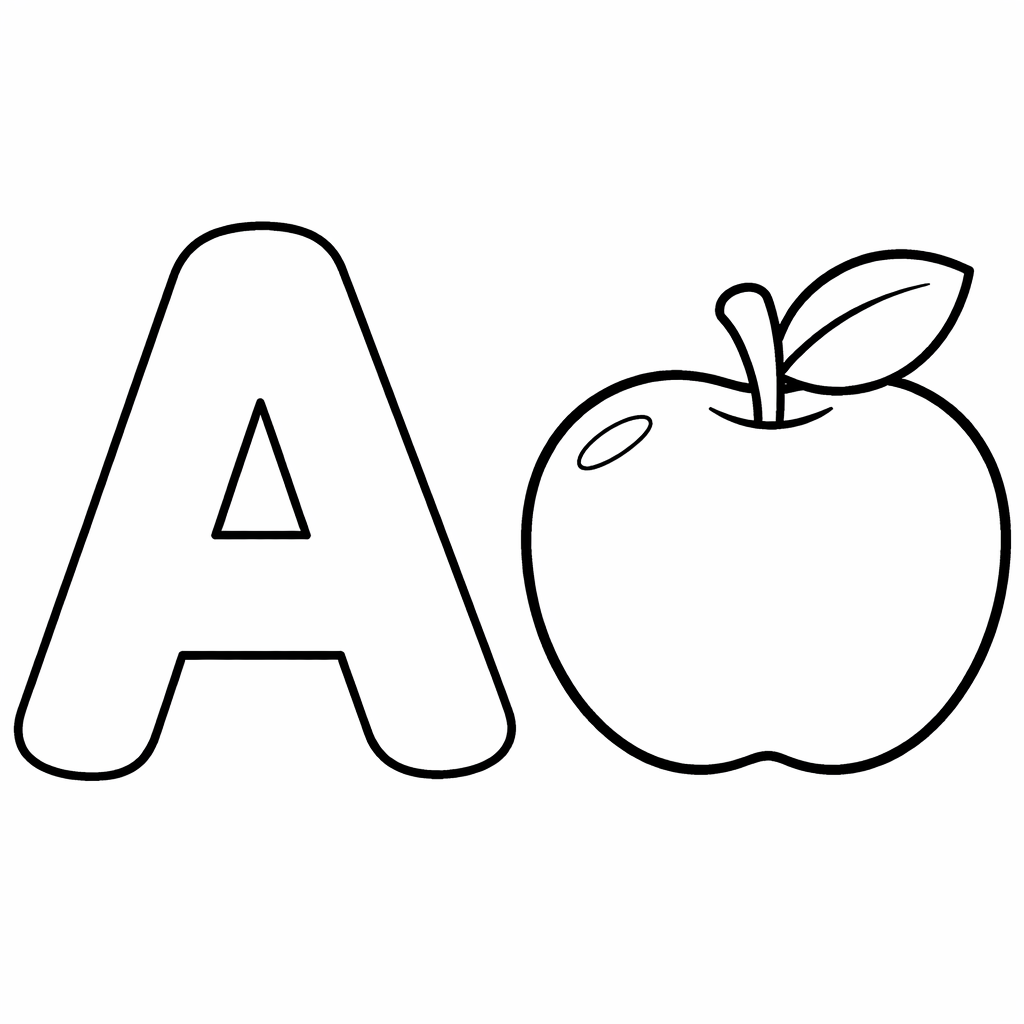
A coloring page can invite a relaxed conversation in the language a child knows best. There is no need to translate every word or turn the moment into a vocabulary drill.
Set up the activity
Choose a picture together and let the child lead the conversation. A caregiver can describe a color, shape, or detail in the family’s home language, then invite the child to add a word, gesture, or story. If another language is part of the child’s day, you can gently offer an equivalent word without requiring repetition. Families may write down a child’s own label beside the picture if the child agrees.
Leave room for the child’s choices
NAEYC recommends making room for children’s home languages in art conversations and notes that families can help provide meaningful vocabulary. Use words that fit the family’s language and dialect; do not treat one translation as the only correct label. The printable is a prompt for connection, not a language assessment. Keep pauses and nonverbal responses welcome.
Choose the pages
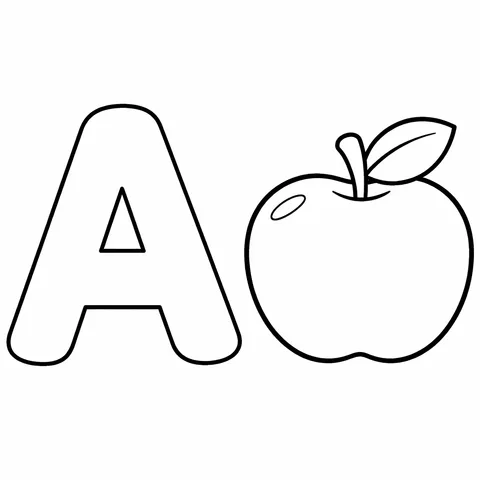
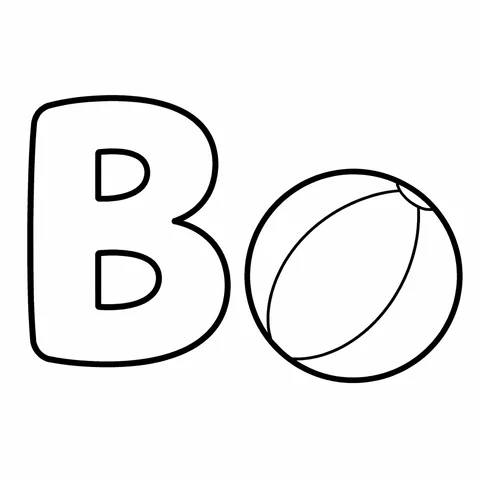
Start with the Letters collection. Combine your selected pages with the PDF creator.
A simple way to invite family language
Choose a page with details the child can point to: an animal, a vehicle, or a familiar place. Let the child pick the page and the language of the conversation. An adult can offer a few descriptive words in the home language—color, size, texture, action—then pause for the child’s own words, gesture, or story. If a second language is useful, add its word alongside the home-language term rather than replacing it.
For a classroom connection, invite families to share a word or phrase they use for a feature in the picture. Make this optional and do not ask a child to translate for the class. Record the family’s spelling and pronunciation as they provide it; languages have regional variation, and a single label may not represent every household.
NAEYC recommends treating multilingual children’s home languages as an asset and connecting art talk with family knowledge. The aim is meaningful interaction around a picture, not a count of new words. A few words used naturally in a real conversation are more useful here than a long vocabulary list recited on demand.