For teachers
Coloring Together Across Ages: Ideas for Siblings
When siblings of different ages share a coloring table, a few choices can help everyone participate without turning the activity into a comparison.
When siblings of different ages share a coloring table, a few choices can help everyone participate without turning the activity into a comparison.
Set up the activity
Offer two or three related pages and let each child choose a subject and materials. A younger child might make marks or choose colors, while an older sibling adds a background, invents a setting, or tells a story. These are invitations, not assigned ability levels: let either child switch roles, work separately, or stop. A shared sheet can be optional, with each person choosing one detail to add.
Leave room for the child’s choices
Avoid asking the older child to teach, correct, or finish the younger child’s work. Notice each person’s choices rather than comparing neatness or speed. If sharing supplies causes friction, set out duplicate crayons or separate trays. The goal is a pleasant shared activity; children do not need to produce matching pictures or agree on what the scene means.
Choose the pages
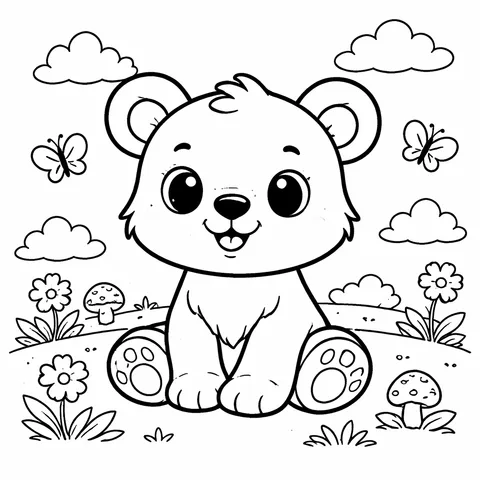
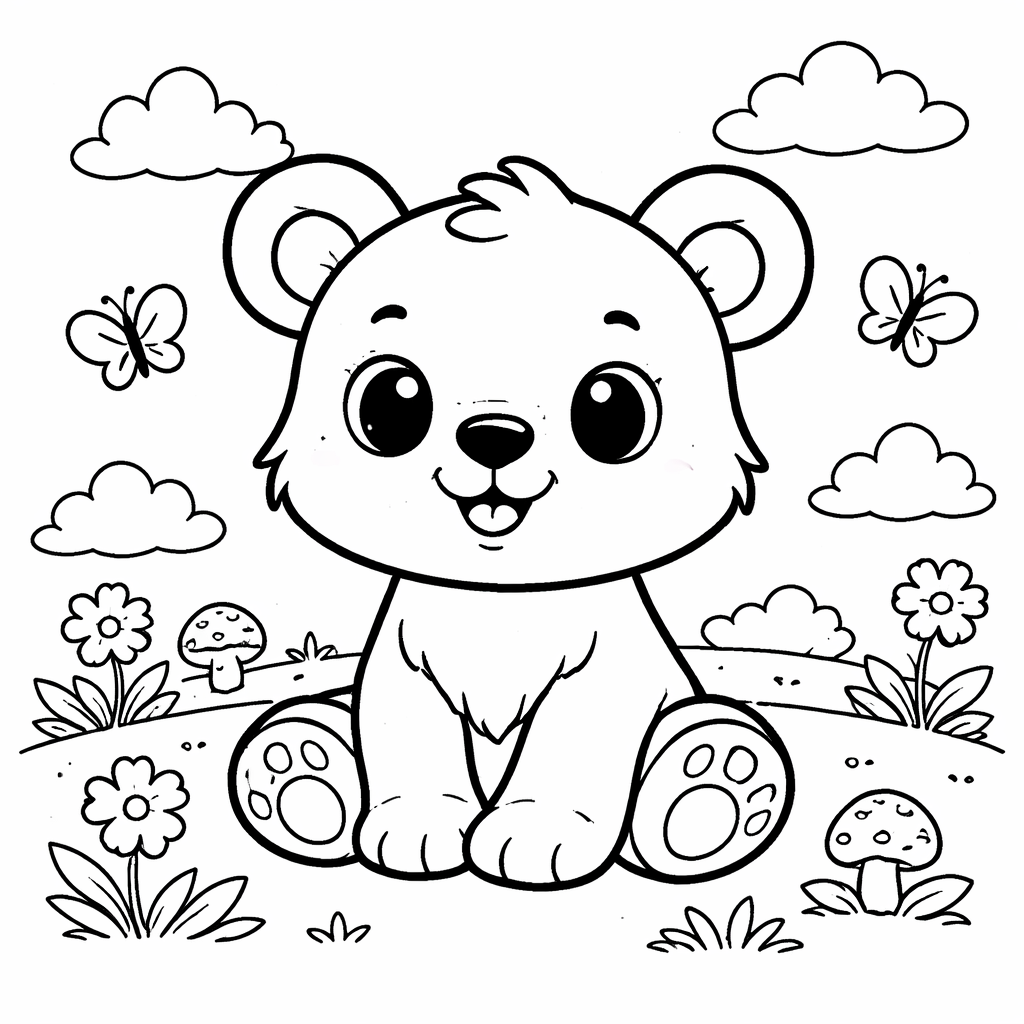
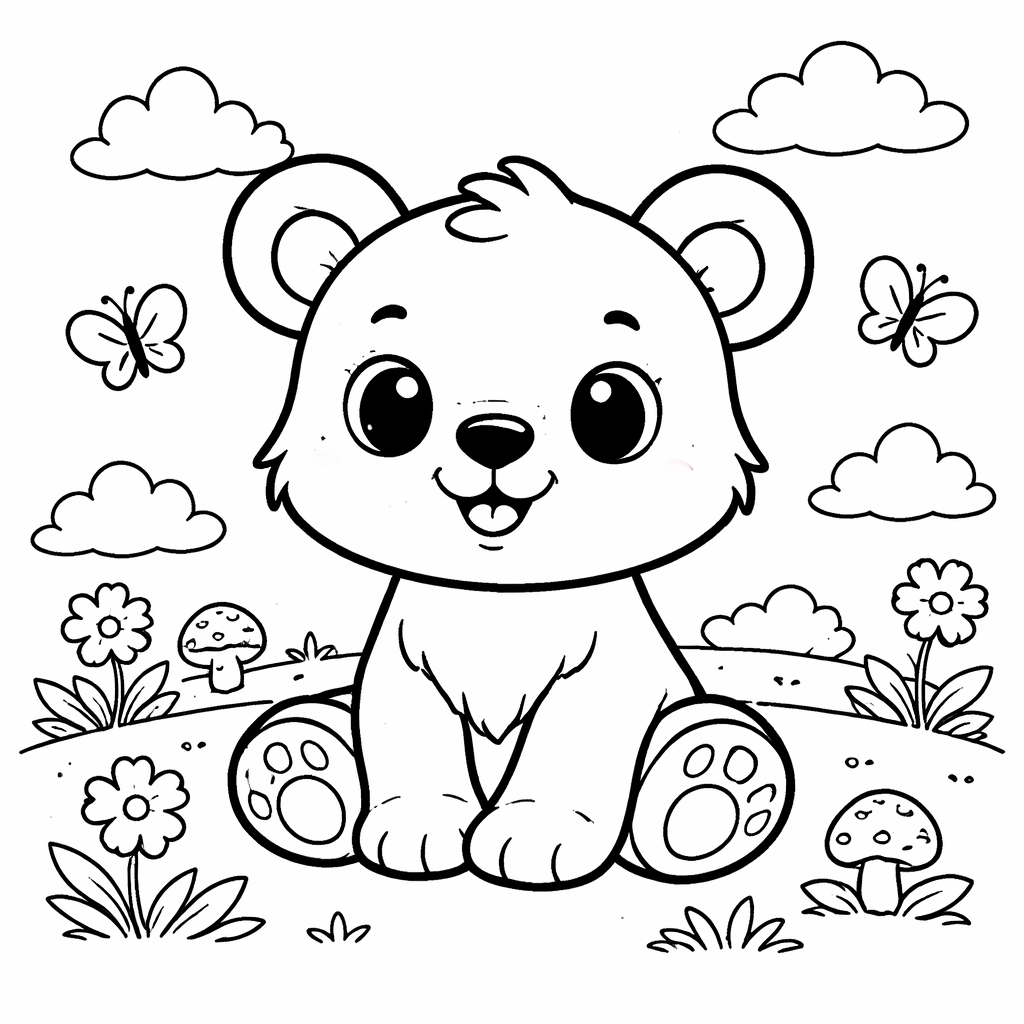
Start with the Cute Animals collection. Combine your selected pages with the PDF creator.
Set up for shared time without forced sharing
Choose one common theme, then offer pages with different levels of detail and duplicate the most popular one. Put each child’s materials within reach; a shared basket can be available, but no child needs to surrender a favorite tool mid-activity. Explain that they may work on separate pages, add one detail to a shared sheet, or simply sit together.
Try a five-minute “show if you want” pause rather than making the older child a helper. One sibling can point to a detail they like; the other can decide whether to add it. You might say, “Would you like to borrow that idea, make your own, or keep going?” This keeps authorship with each child. If one child finishes first, offer a separate next-page choice instead of assigning them responsibility for the other.
Keep the session short enough that stopping is easy. If conflict starts, name the concrete issue (same marker, crowded elbow room) and change the setup before asking children to negotiate a complex rule. Success is a calm shared experience, not identical output or perfect turn-taking.