Learning
Color, Count, Tell: A Dinosaur Mini-Lesson
A flexible 20-minute dinosaur activity that moves from page choice to counting visible details and making up a short story.
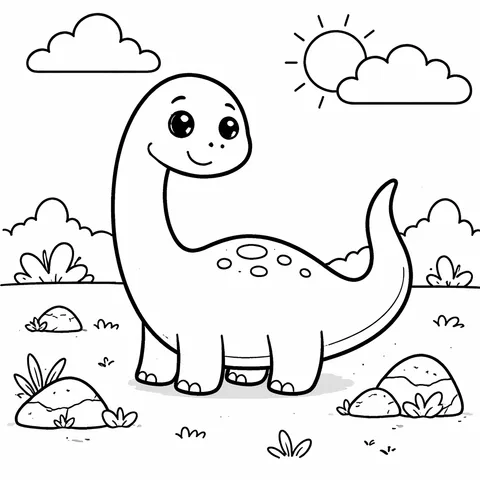
This dinosaur mini-lesson links a printable with three simple actions: choose, count, and tell. It can fit a small group or a home activity, and it does not require children to know dinosaur names or facts in advance.
A flexible 20-minute plan
Minutes 0-3 — choose a dinosaur. Offer two or three pages and ask children which one catches their eye. A child may choose to draw a different dinosaur on blank paper.
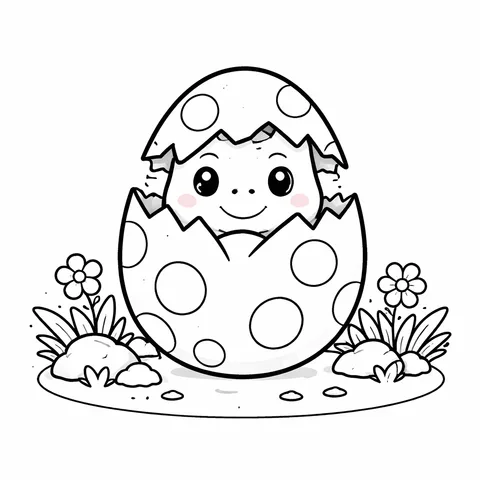
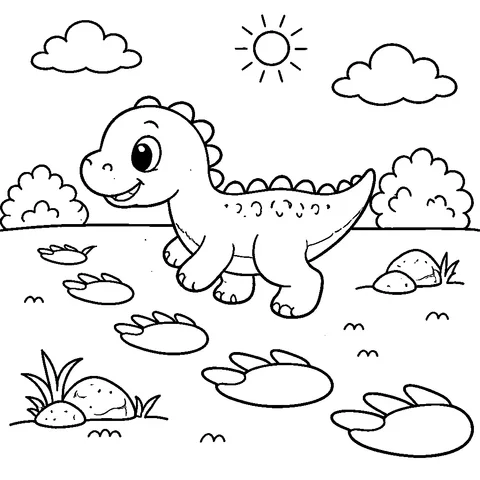
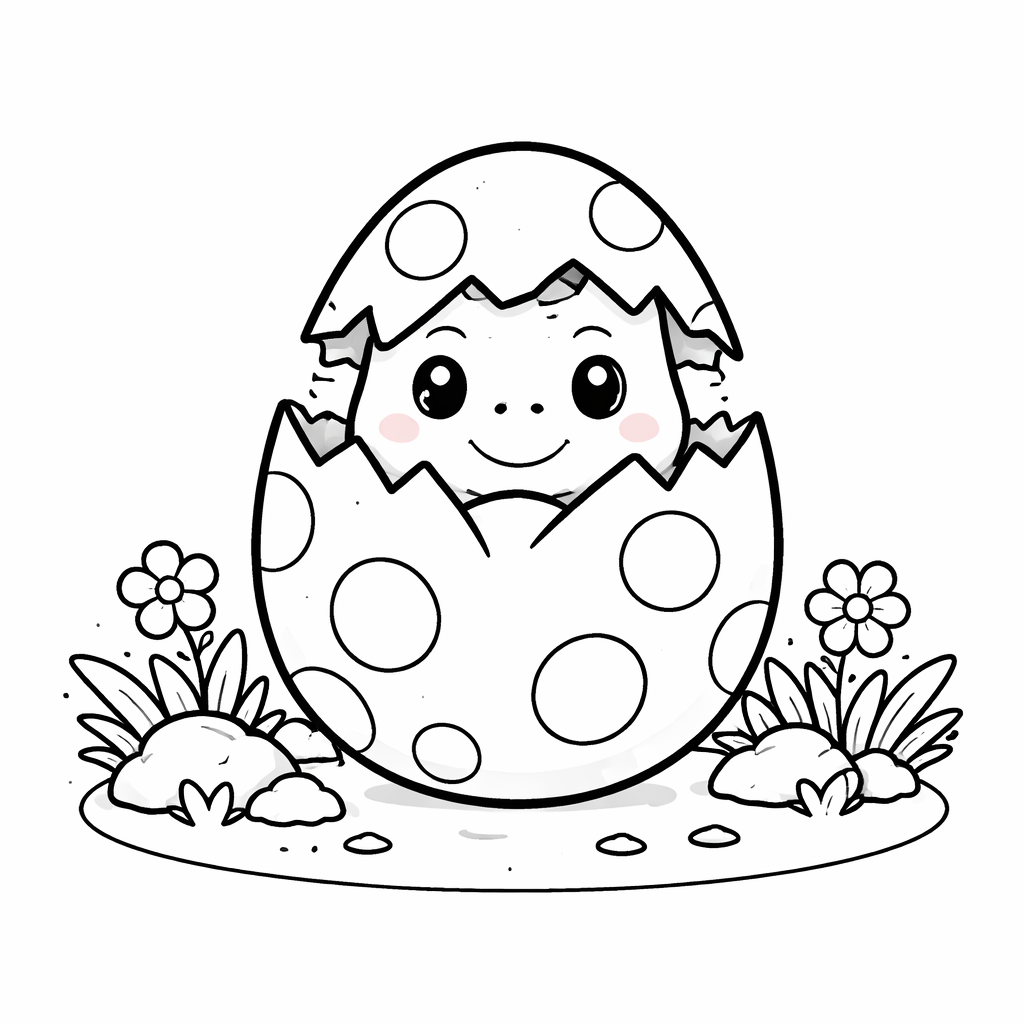
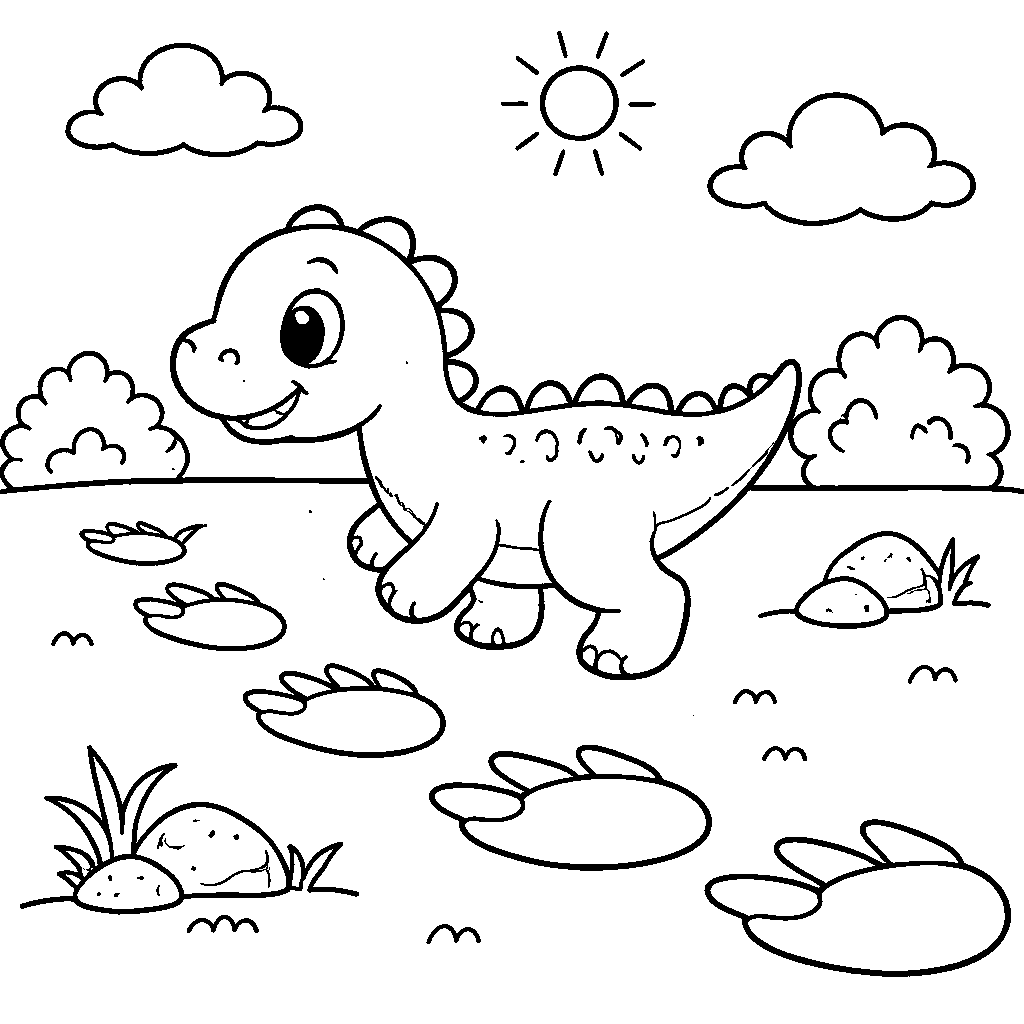
Minutes 3-10 — color and notice. Invite each child to pick a color or a detail to work on. Ask, “What did you notice first?” rather than prescribing how a dinosaur should look. If a page has visible eggs, footprints, or leaves, children can point them out.
Minutes 10-15 — count something visible. Choose one small, answerable feature on the selected page: How many eggs can you see? How many footprints? Children can count aloud, touch each item, or make a mark for each one. Use a different page if there is no obvious set to count.
Minutes 15-20 — tell what happens next. Invite children to add a friend, a place, or a next event. They can tell a story, dictate a sentence for an adult to write, draw another scene, or pass.
Keep the timing loose. Counting and storytelling are optional invitations; the activity is still complete if a child only wants to color or look. Ask questions that leave room for the child's idea, and avoid correcting an imaginary color or storyline.
Make the mini-lesson easy to adapt
For younger or quieter participants, shorten the activity to one prompt: “Which part do you want to color?” For a group that wants more, compare two pages or make a shared story with one sentence from each child. There is no need to turn the session into a dinosaur fact quiz.
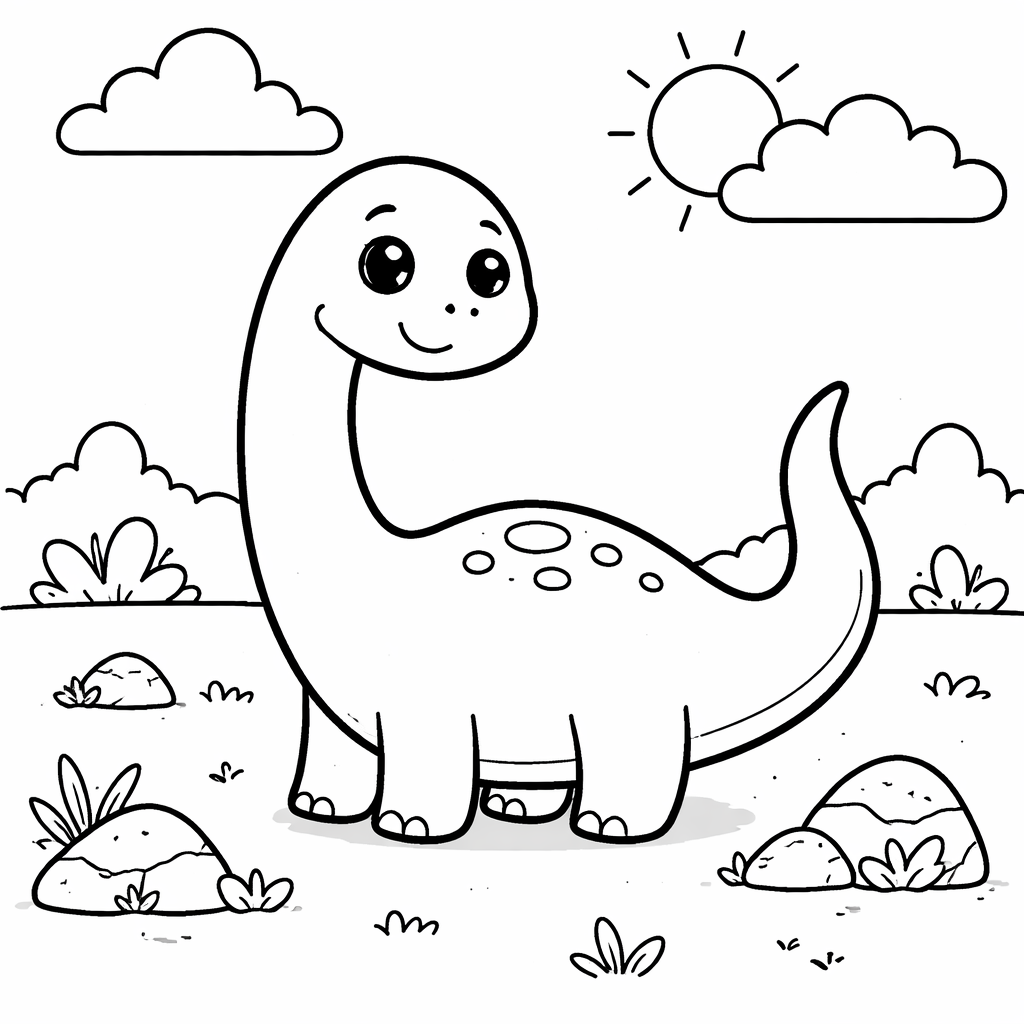
Choose from Cute Dinosaurs and pick pages with visible details that suit your plan. A dinosaur egg, footprints, and a long-necked dinosaur give different things to notice. Put a few options in the PDF creator for a ready-to-print small-group set.
Make the lesson responsive
Prepare two dinosaur pages with different amounts of detail, counters or small paper dots, and a blank sheet. Let the child choose first. If counting is engaging, point to one visible feature at a time and count together; if storytelling takes over, follow that instead. Offer the child a choice between adding a habitat or inventing a dinosaur name. Keep factual claims about prehistoric animals separate from pretend play, and use a trusted museum or science resource when a question needs checking.