Learning
Animal Homes: A Coloring Page Match-and-Tell Activity
Turn animal coloring into a gentle observation game: notice the animal, imagine what it needs, and talk about possible homes without treating every picture as a science diagram.
Turn animal coloring into a gentle observation game: notice the animal, imagine what it needs, and talk about possible homes without treating every picture as a science diagram.
Set up the activity
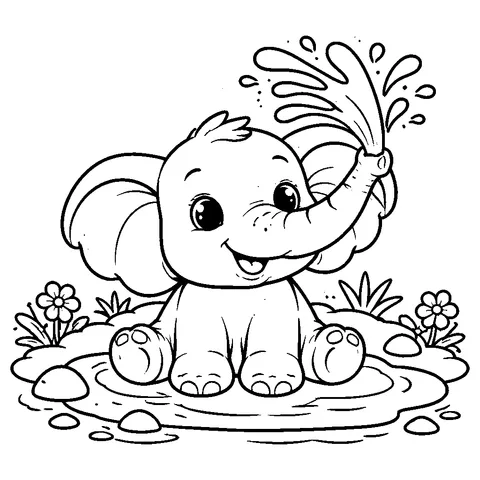
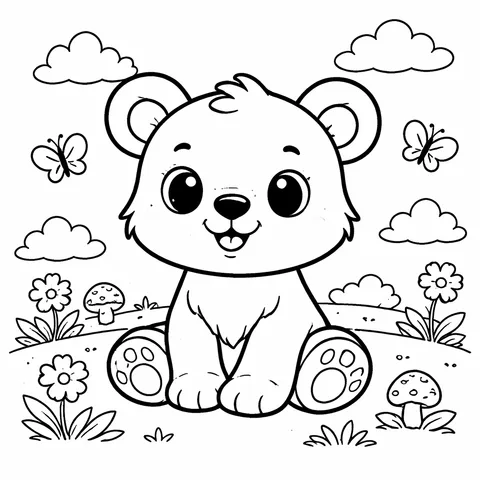
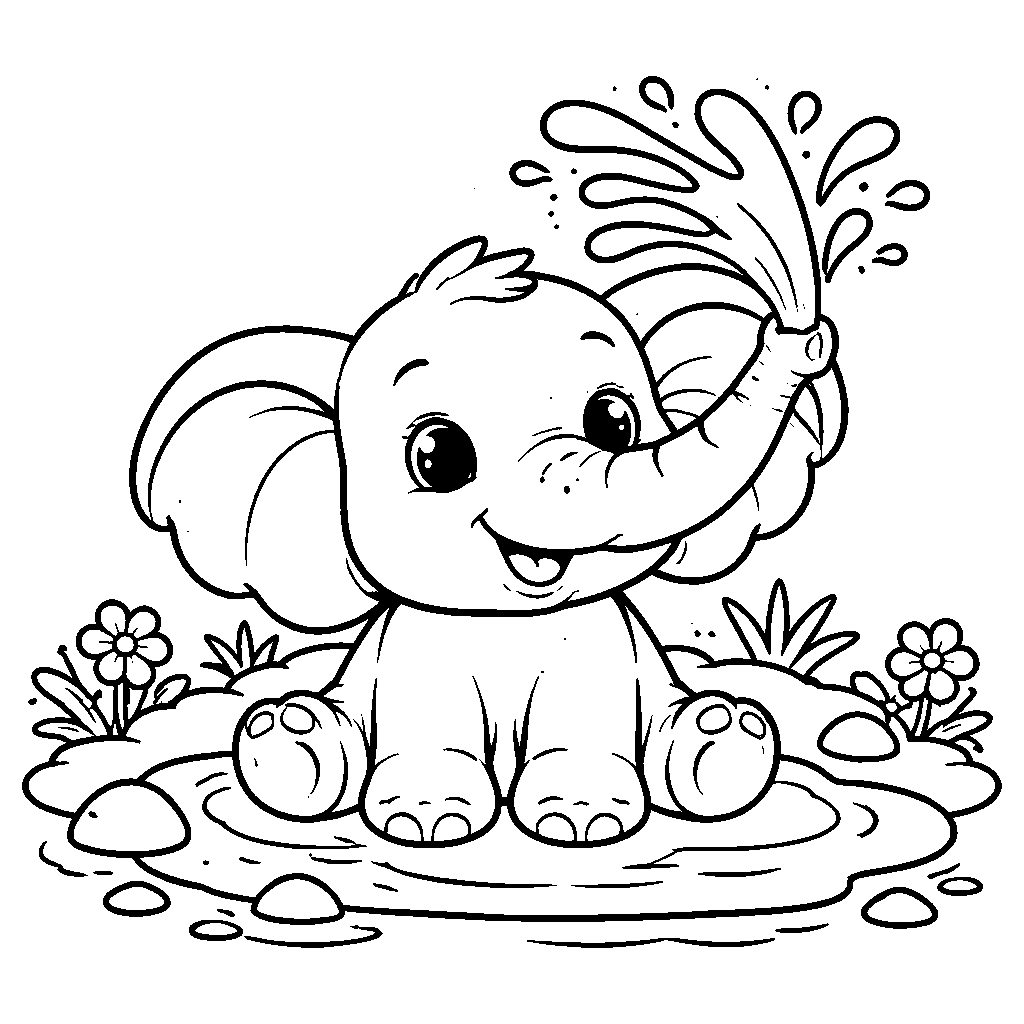
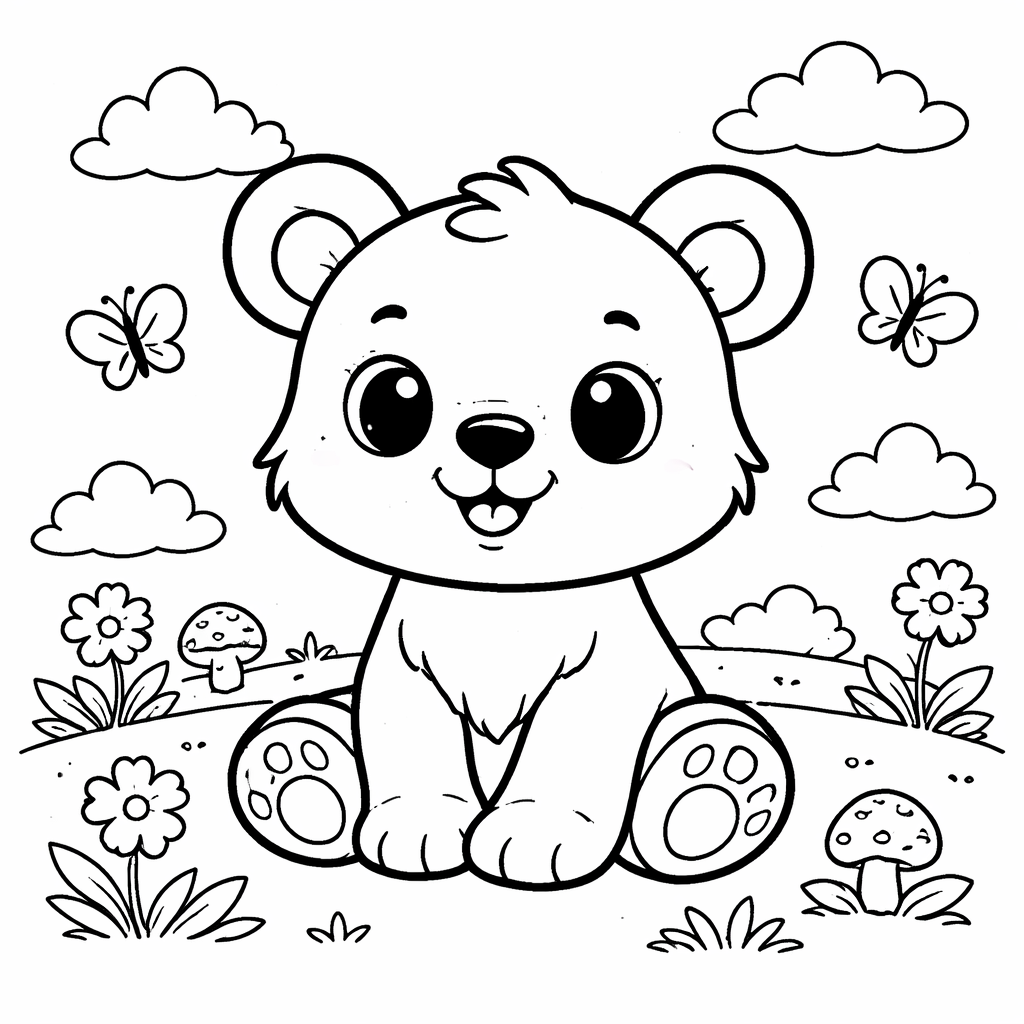
Choose two or three animal pages and a few simple habitat images or draw-your-own backgrounds. Children can match an animal to a place they think it might live, explain their choice, and add details such as water, shelter, or plants. Some animals use more than one habitat, so welcome more than one reasonable idea.
Keep participation flexible
Keep claims grounded: use a child-friendly reference book or a trusted nature resource to check facts, and distinguish an imagined scene from a real-world habitat. A coloring page is a conversation prompt, not evidence about an animal’s needs. Finish by inviting children to add one thing that could help the animal stay safe.
Choose the pages
Choose a few options from the Cute Animals collection. Combine the pages you need in the PDF creator.
Turn the idea into a small-group activity
Prepare three animal pages, three simple habitat cards, and blank paper. For example, pair a pond animal with water, a forest animal with trees, and a farm animal with a shelter, but do not make the first arrangement a quiz. Invite children to choose a match and explain what they notice in the picture. Ask, “What might this animal find here?” and let another child offer a different possibility.
After the first match, add one detail to the setting: shade, a place to hide, food, or water. Children can draw the detail, point to it, or tell an adult what to add. Keep a “we wonder” column for questions that need checking. Later, use an age-appropriate library or nature-center source to answer one question together; distinguish what the reference confirms from what the children invented for their picture.
Keep the activity to about 10-15 minutes and use only two habitat choices at first if a larger set feels distracting. If a page’s cartoon scene implies an inaccurate habitat, say so plainly and use it as an opening to compare illustration and real animal life. The aim is careful looking and conversation, not memorizing a list.