Learning
Shape Hunt: 6 Coloring Games for Preschool
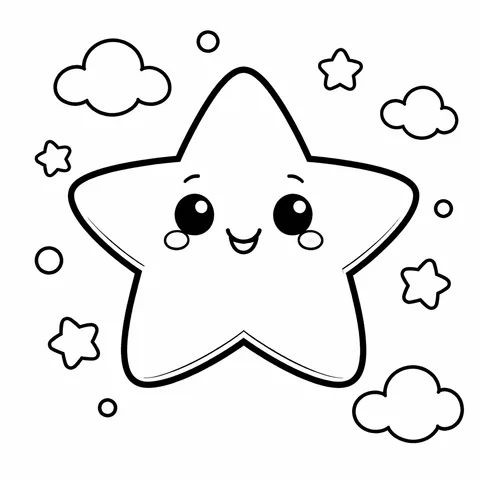
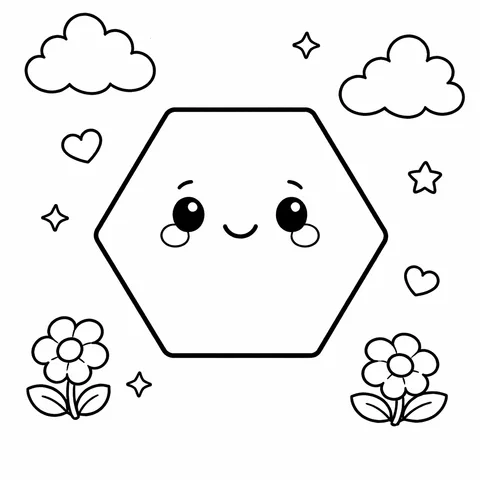
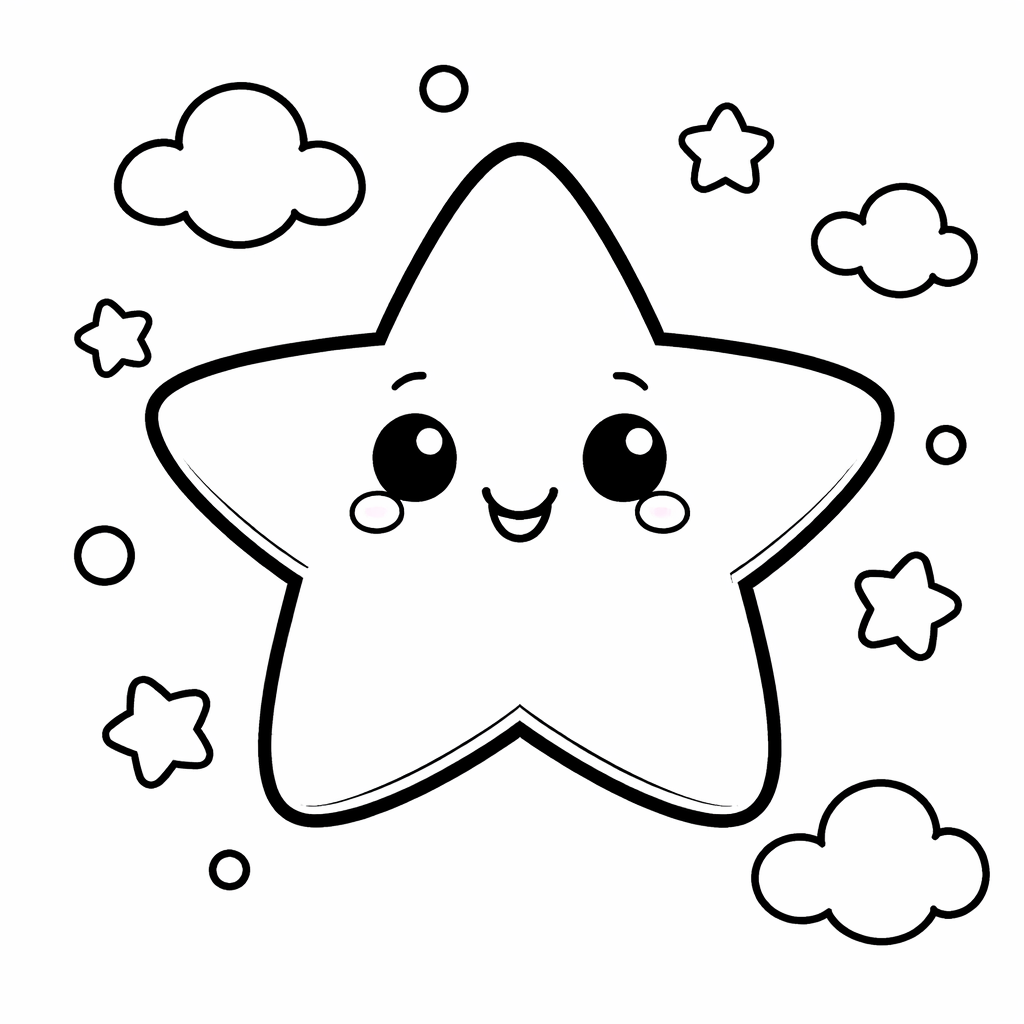
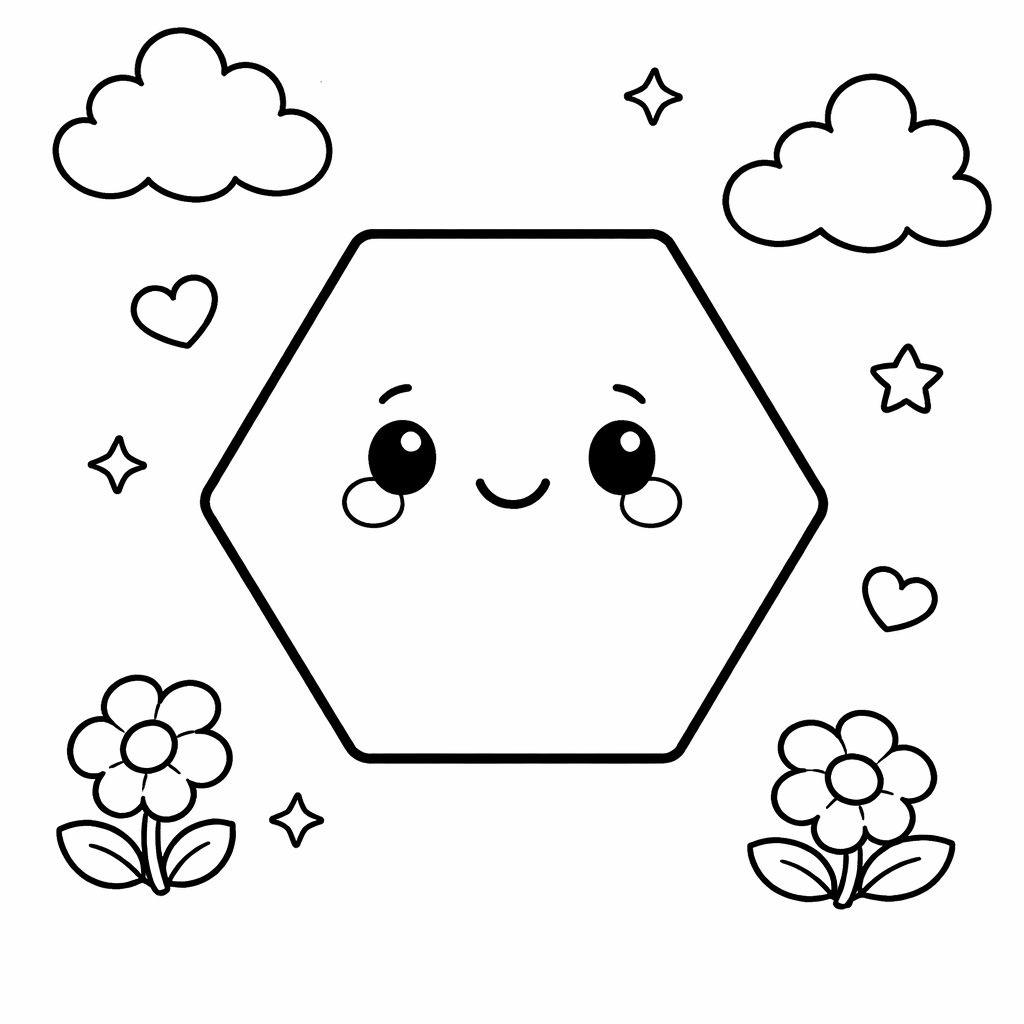
Use a shape coloring page as the starting point for six quick games: spot, sort, compare, build, describe, and invent.

A shape page can do more than give children something to color. Use one picture as a prompt for noticing, talking, sorting, and drawing. Keep each game short and let children answer by pointing, moving a counter, speaking, or making a mark.
Six ways to play
- Shape spot: Choose one shape and look for it in the printable. Children can point rather than mark the page.
- Find it nearby: Look for one similar shape in the room, such as a circular clock or rectangular book. The real object does not need to be an exact match.
- Sort two ways: Offer a few shape cards or page details. First group them by shape; then try grouping them by color or size. Change one feature at a time.
- Compare: Place two shapes side by side and ask what looks the same and what looks different.
- Make a picture: Use separate simple shapes on blank paper to build a house, vehicle, or imaginary creature. Children can choose where each piece goes.
- Shape detective: Give a gentle clue, such as “Find something with three corners,” and let children choose whether to point, color, or describe it.
These prompts are invitations, not a test with a required answer. NAEYC's preschool guidance describes identifying, comparing, and exploring shapes in different sizes and orientations; everyday objects and play can make the conversation concrete. Adapt vocabulary to what children already know, and welcome a home-language word or a child's own description.
Keep the activity flexible
For a short table activity, pick one game and one printable. For a center, put out two or three pages plus blocks or paper shapes. Stop when children move on, or follow a question that captures their interest. No one needs to finish or color the page in a particular way.
Browse Simple Shapes for clear designs, or open the broader Shapes collection. Add a few pages to the PDF creator if you want the game prompts and pictures together in a small set.
Choose one game, then stop while it is still fun
For a short session, select just one prompt: find a shape, compare two shapes, or invent a new one. Use a page with large, clear forms and keep a blank sheet nearby for a child-made example. Ask the child to show an answer by pointing, coloring, or drawing. If the page contains several shapes, cover the rest so the visual search stays focused. Rotate the prompt next time rather than completing all six in one sitting.