For teachers
Build an 8-Page Rainy-Day Coloring Book
Make a small take-along booklet from eight printable pages, with a cover, a gentle story arc, and a child-chosen final page.
A small coloring booklet is easy to keep by the window, in a bag, or near a quiet activity shelf. You do not need eight unrelated worksheets: choose a loose theme, mix a few page types, and let the child decide what belongs in the book.
A sample eight-page plan
- Cover: draw a title or choose a favorite rainy-day printable.
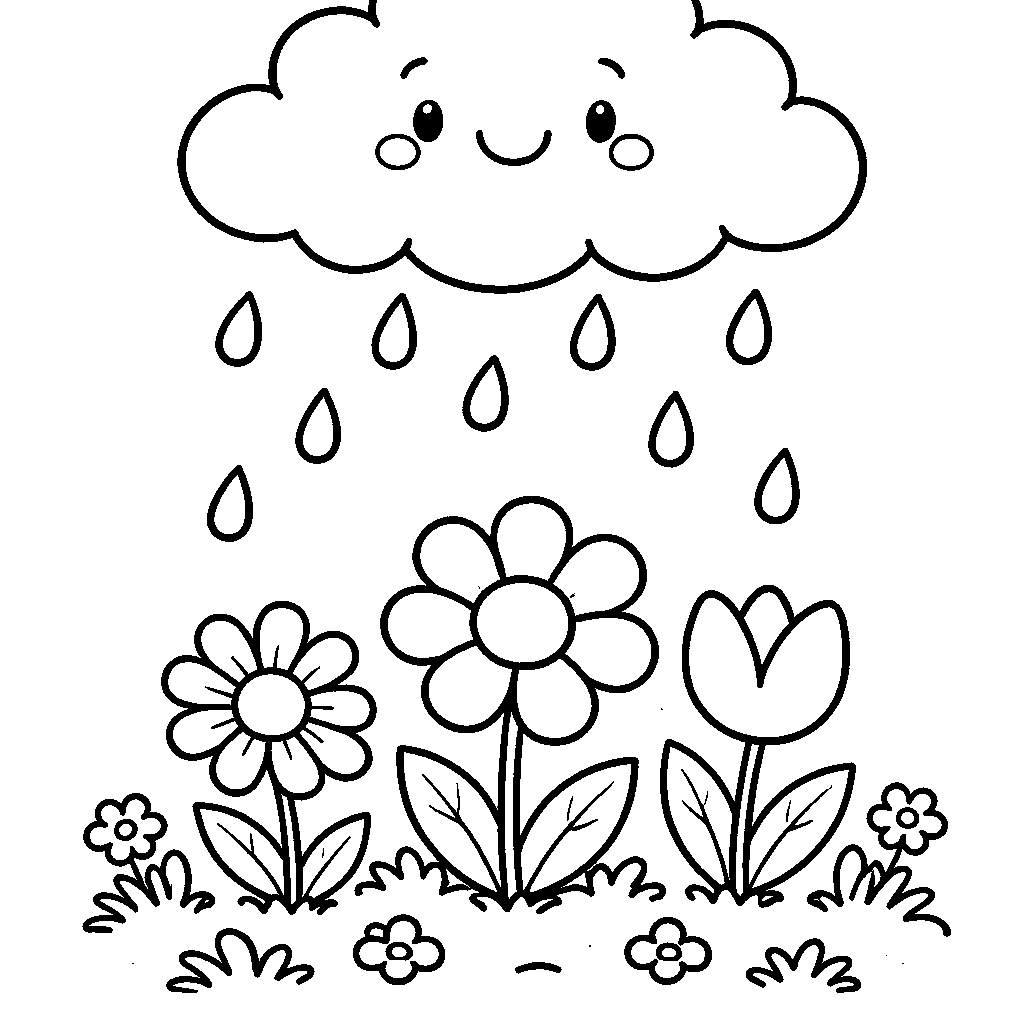
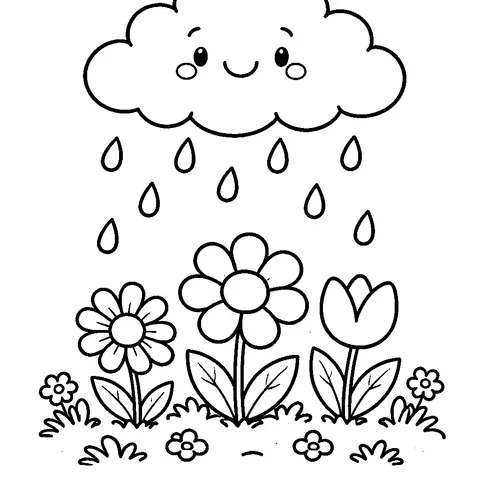
- Look outside: a rain cloud or cloudy-day scene.
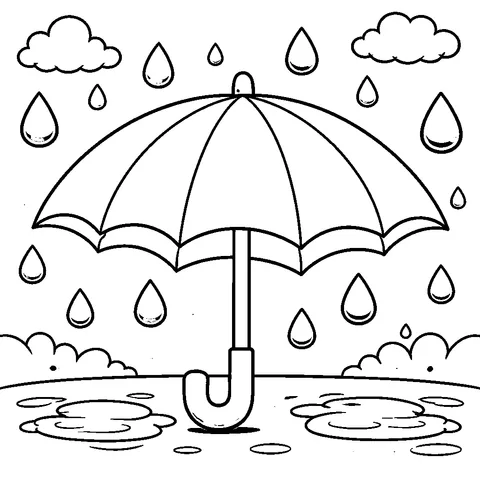
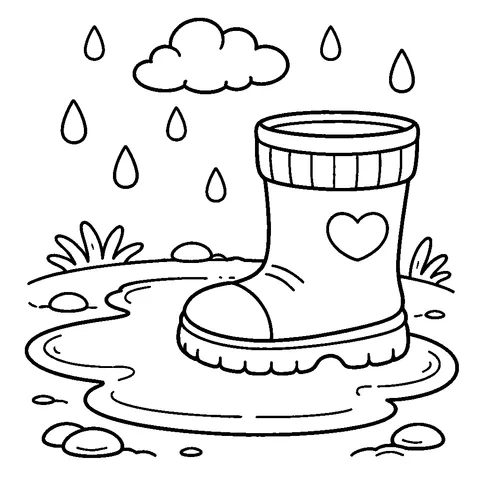
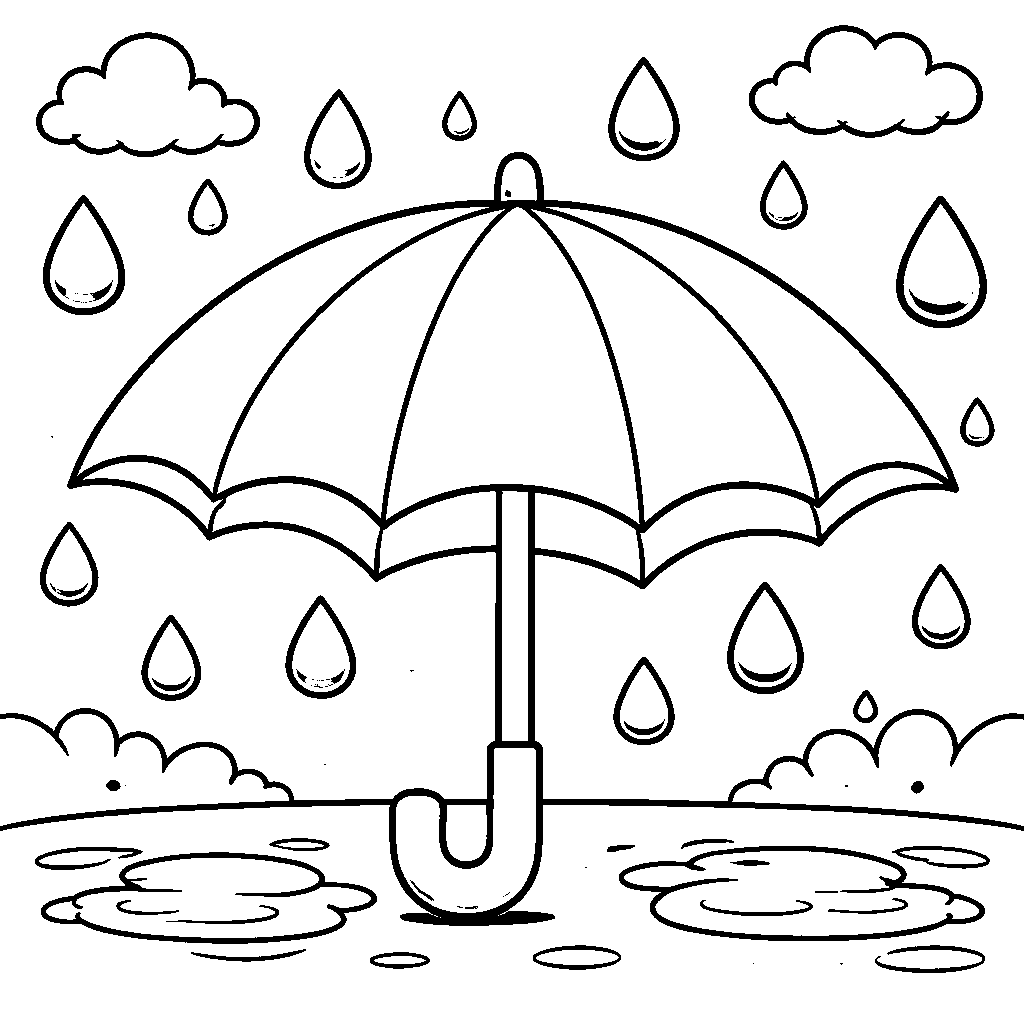
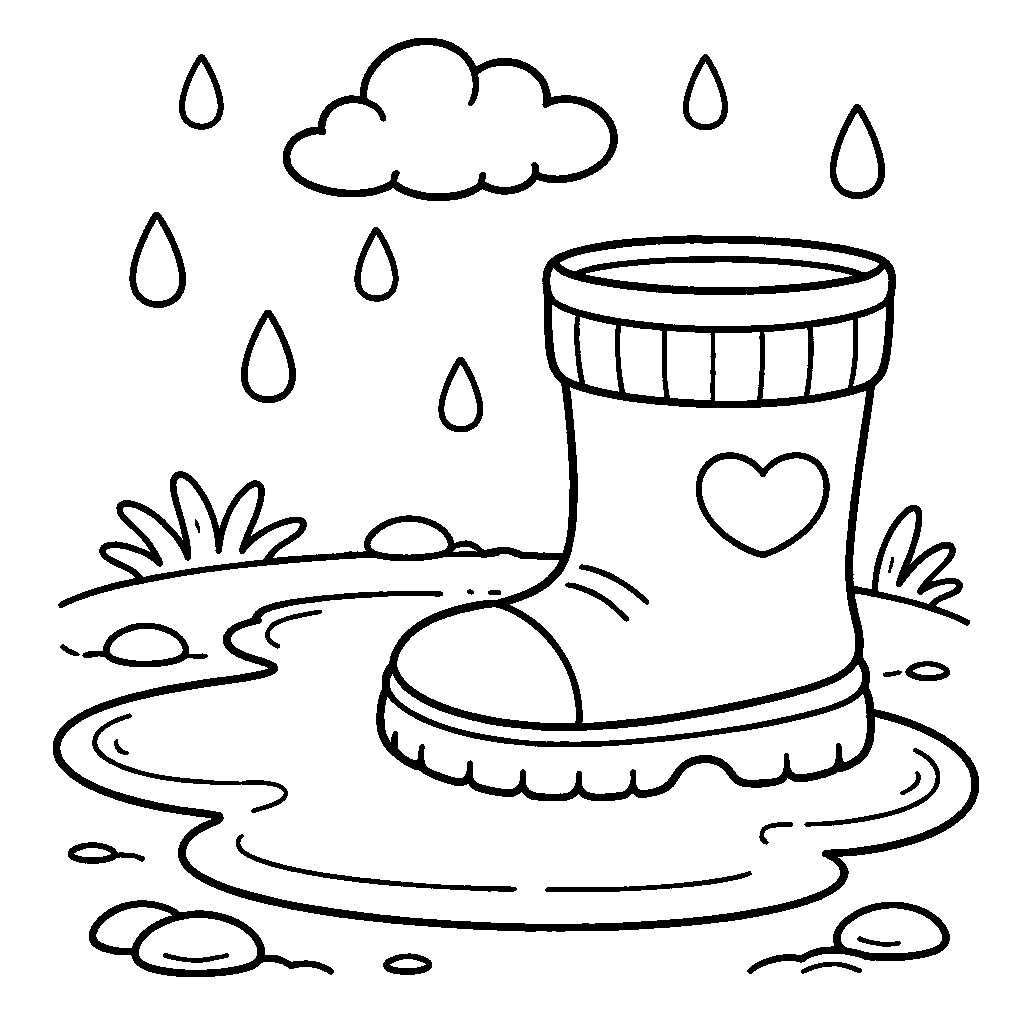
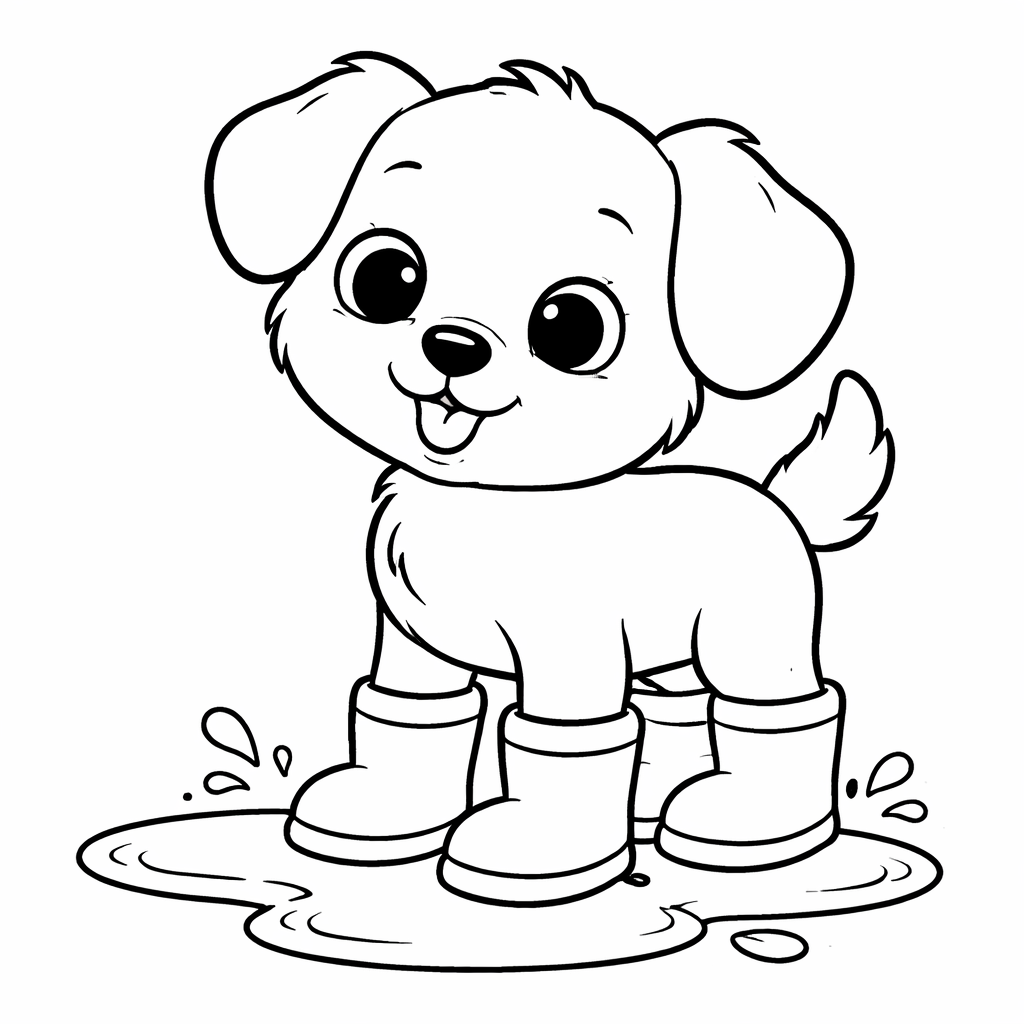
- What keeps us dry? an umbrella or rain boot.
- A puddle detail: add ripples, footprints, or a reflection.
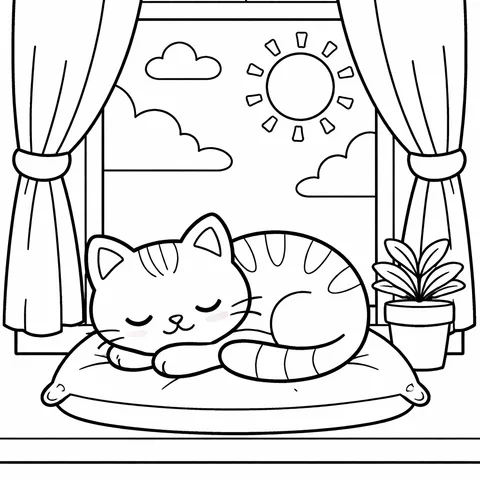
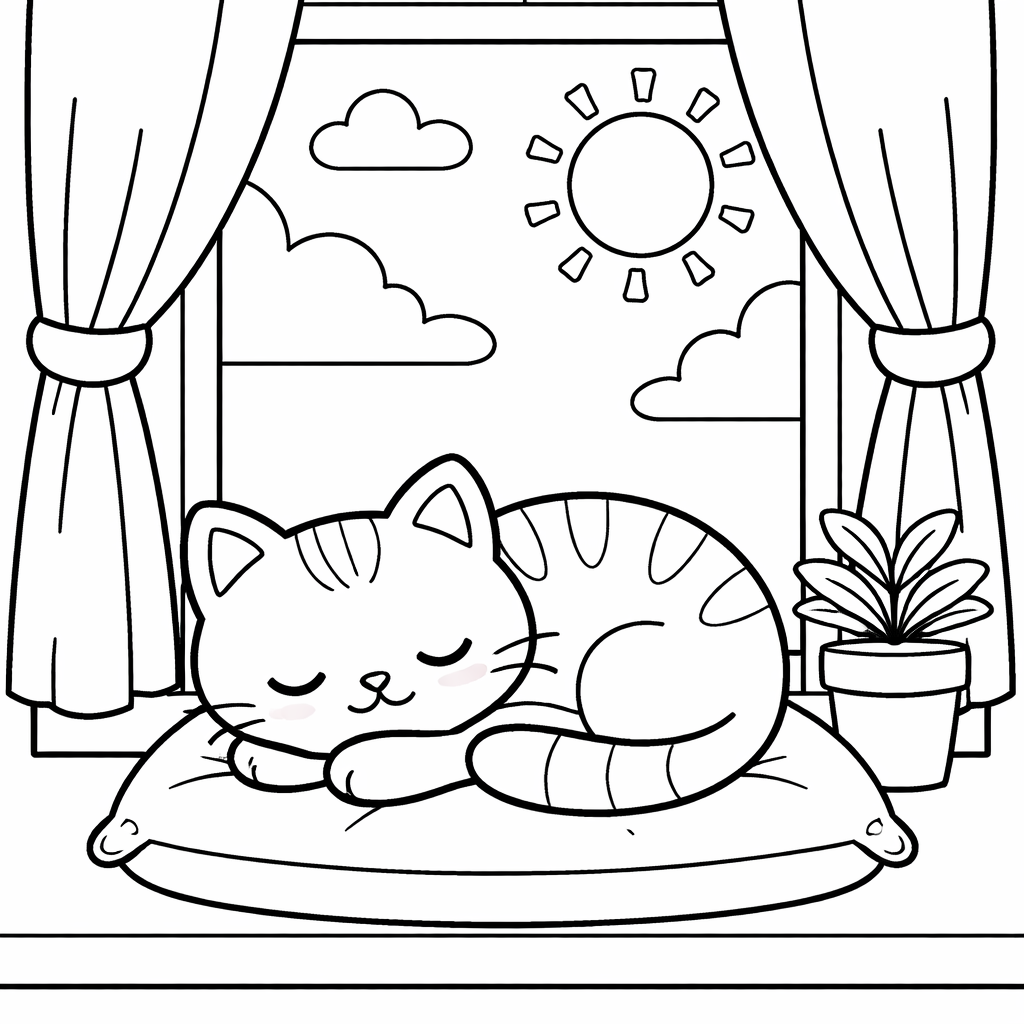
- A cozy spot: draw a window, chair, or indoor scene.
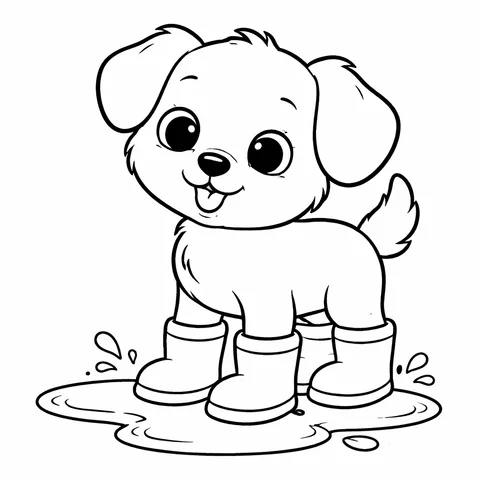
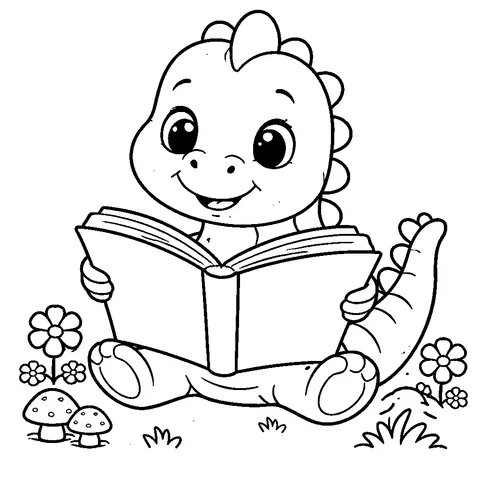
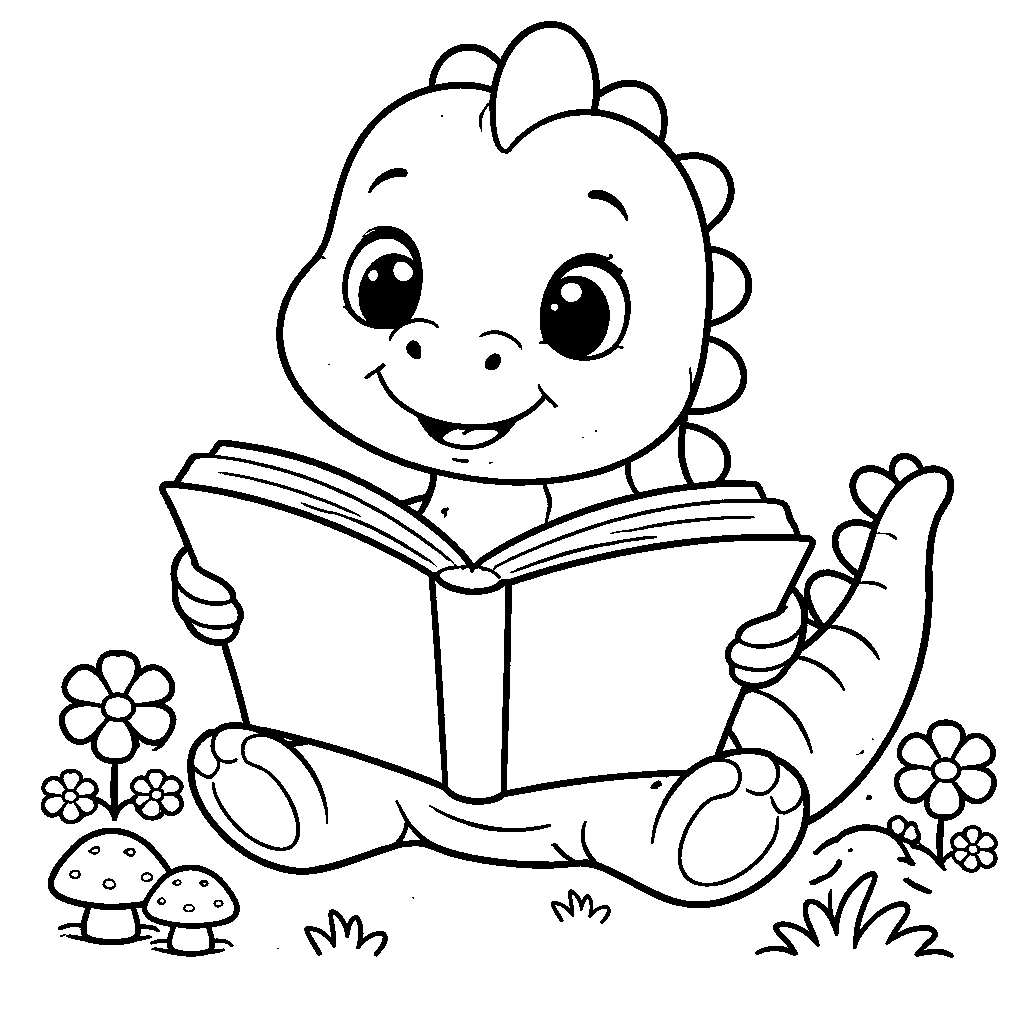
- A story friend: choose an animal, fairy, or dinosaur to visit.
- Make your own page: leave one sheet blank for an original drawing.
- The ending: ask the child to choose what happens when the rain stops, or pick any favorite page.
This sequence is only a starting point. A child might want eight animal pages or a shorter three-page set. Follow the theme they choose rather than requiring every page in the sample. NAEYC's process-focused art guidance emphasizes choice and open-ended exploration; a homemade booklet can keep that choice visible from cover to final page.
Assemble the booklet
Choose eight pages from the Easy Coloring collection and nearby themes such as rain, clouds, or animals. Add them in the order you want to the PDF creator, then preview the file before printing. Print a test copy to check page orientation and order. Fold the pages together or keep them loose in a folder; use a stapler only with adult handling.
Let the child choose the cover and whether to color the whole book now or save pages for later. Add a name or a dictated title if they want one. The booklet is a portable invitation, not a completion checklist.
A quick assembly check
Lay all eight pages out before stapling or binding them. Check that the first page works as a cover, the sequence does not jump abruptly between subjects, and the final page leaves room for the child to add an idea. If the pages are for travel, use fewer sheets and avoid loose pieces that can be lost. Let the child choose the order; a booklet does not need a plot to feel personal.