 Ages 4-7
Activity
Math Coloring Pages for Preschool and Kindergarten
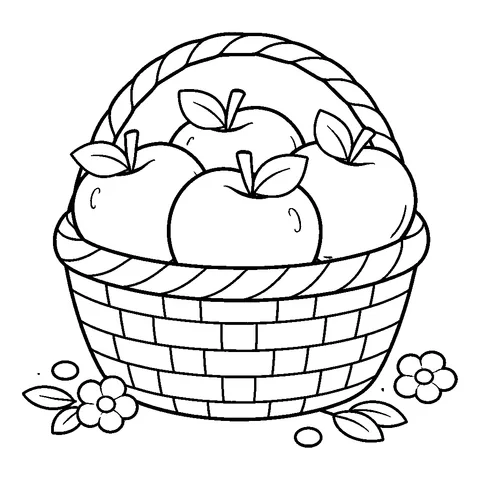
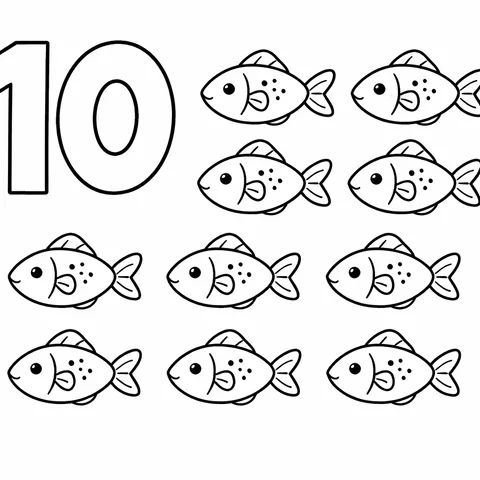
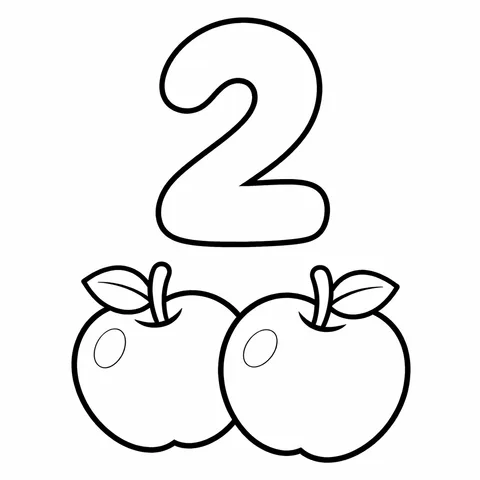
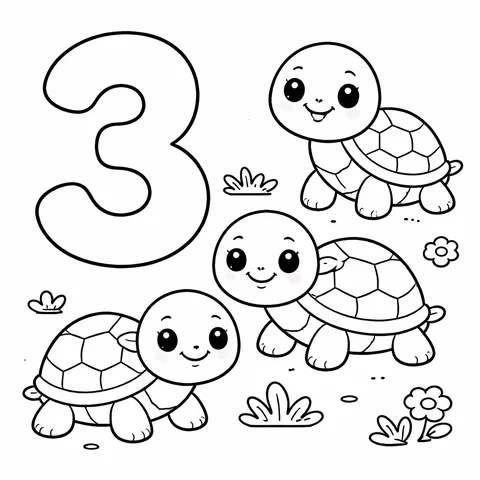
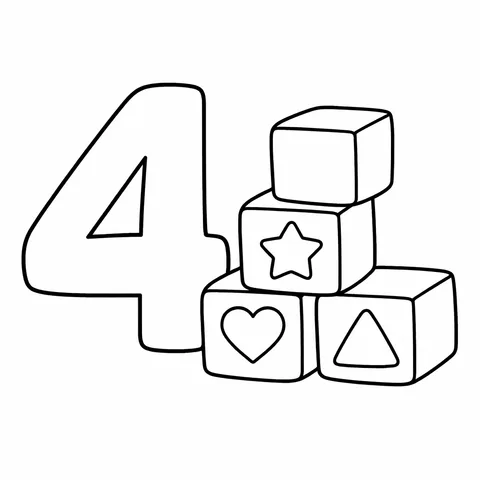
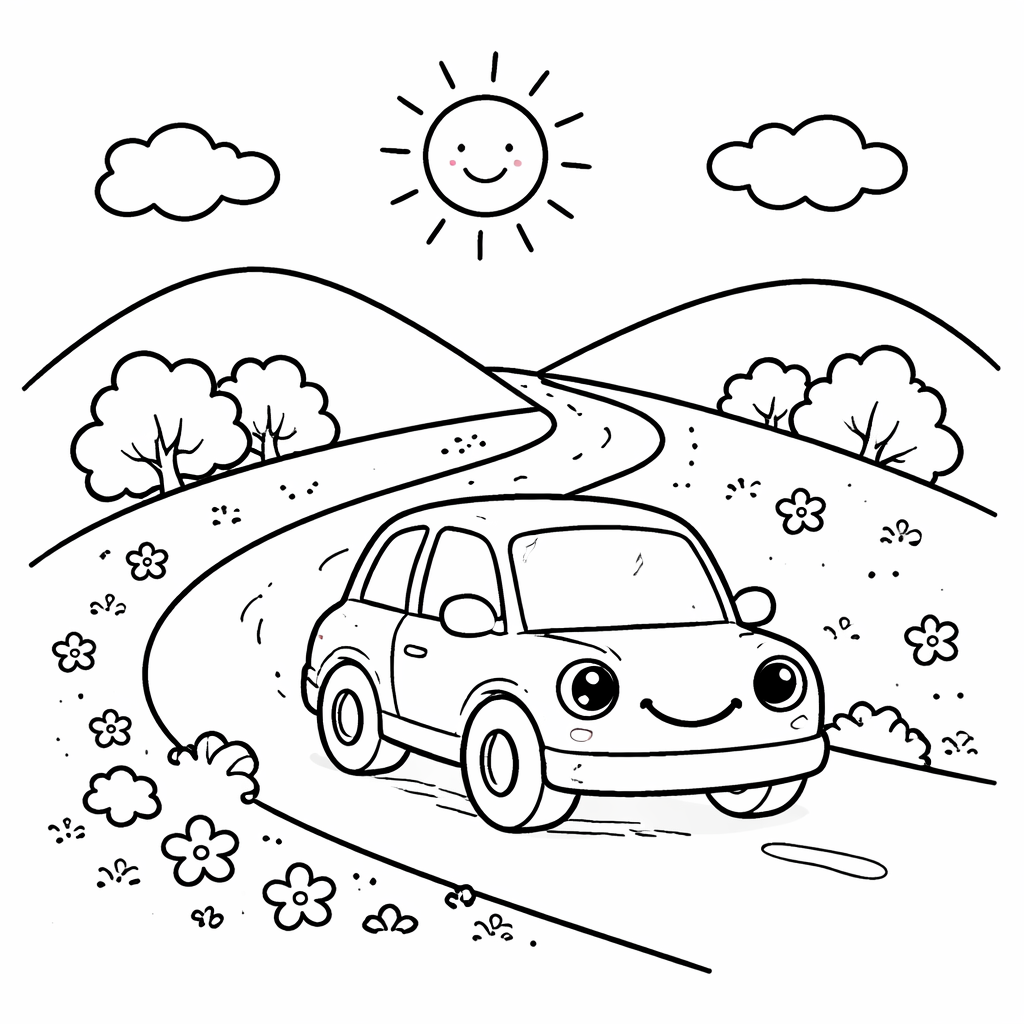
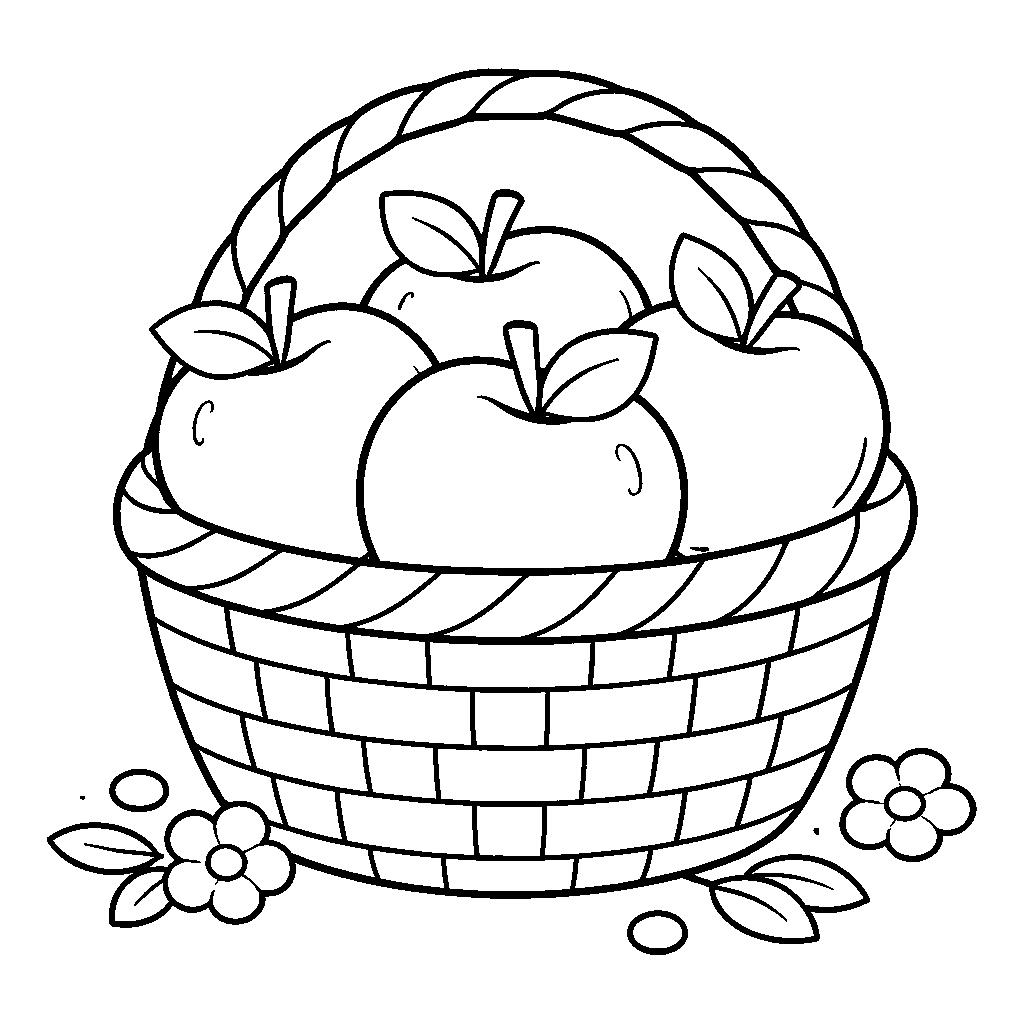
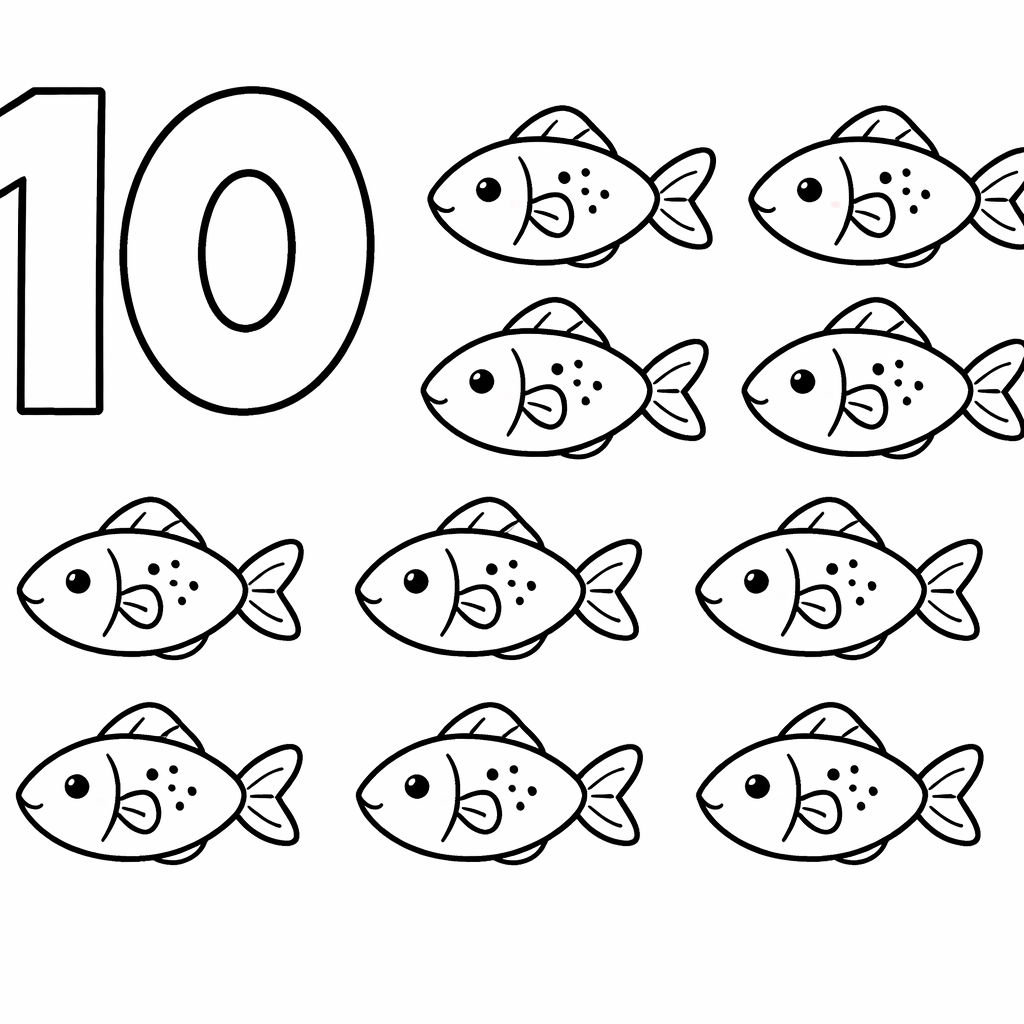
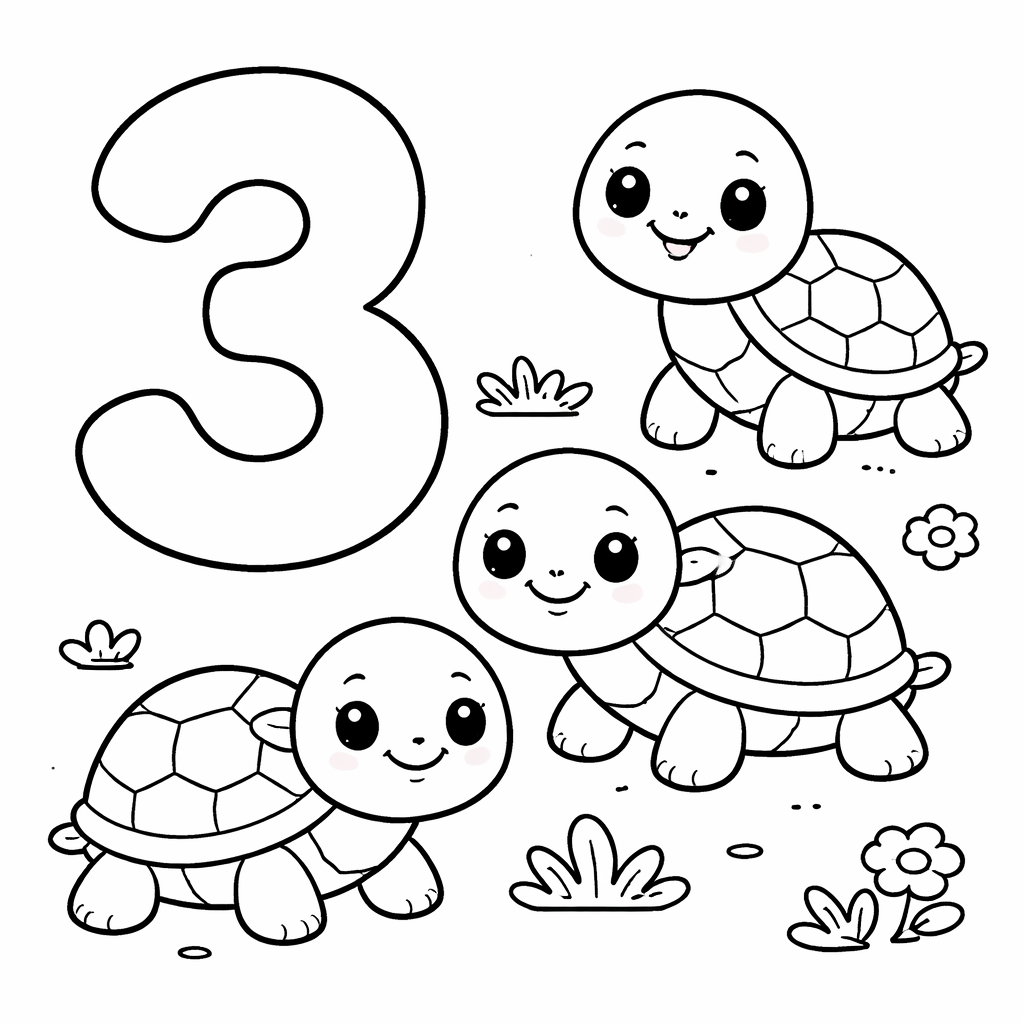
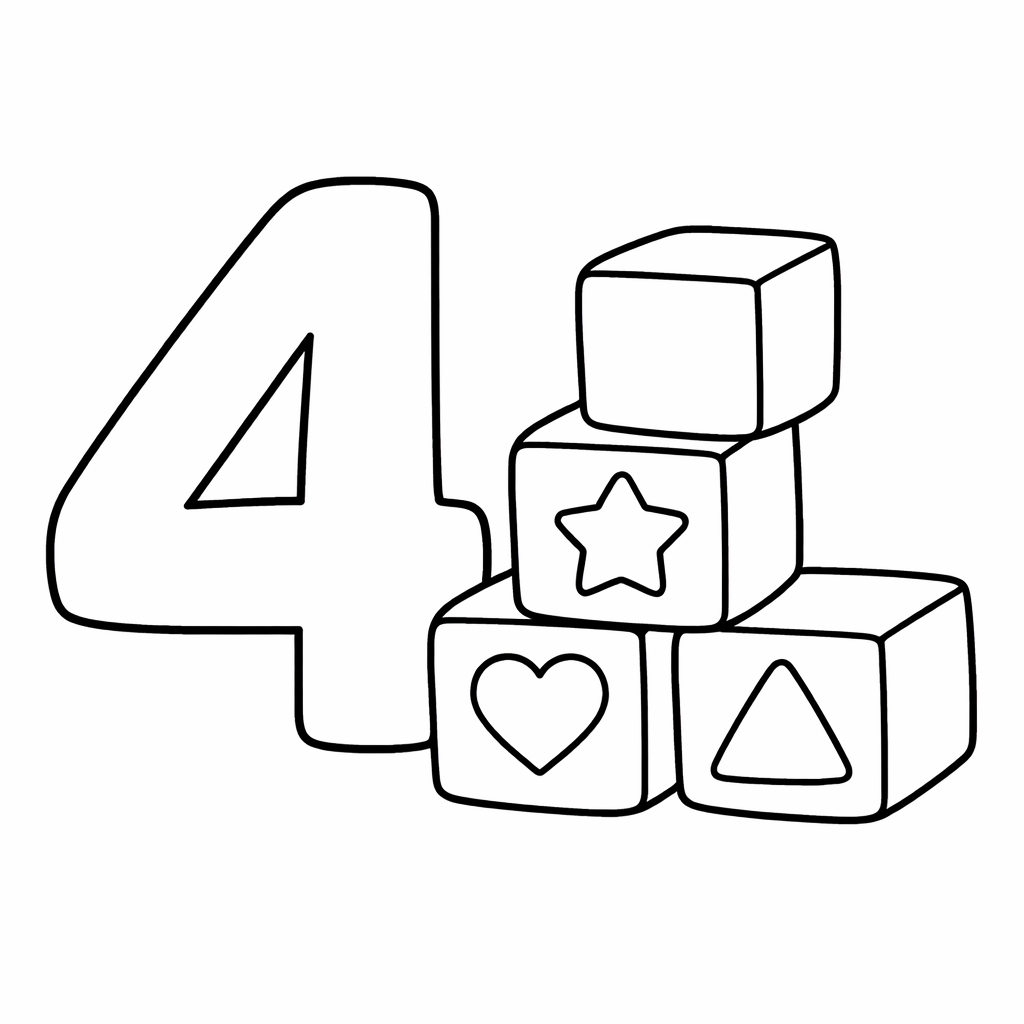
This page gathers 16 printable math coloring pages for children meeting numbers for the first time. Two kinds of sheet sit side by side. The first shows one large plain numeral with a matching picture beside it, such as Number 1 Coloring Page with a single star or Number 4 Coloring Page with four blocks. The second sets a numeral next to a group of objects to count, such as Number 3 Three Turtles Coloring Page or Number 10 Ten Fish Coloring Page, with ten fish in two clear rows. The plain numeral pages are marked for ages three to five, the counting pages for ages four to seven. Counting Apples Basket Coloring Page shows five apples and no numerals, so it suits a child ready to count objects alone. The last page, Car On Country Road Coloring Page, is a plain picture for a quieter break. Children colour with thick outlines, then count what they have coloured.
How to run the activity
Start by printing one page and setting a few crayons beside it, not in front of it. Read the numeral out loud before the child begins, then let them colour the picture first. Colouring usually comes before counting at this age, because the count then feels like part of the finished page rather than a question being asked. When the picture is done, point to the objects one at a time and touch each one as you say the number aloud. Number 10 Ten Fish Coloring Page works well here, because the ten fish sit in two rows of five, which gives you two clean passes to make and shows a child how ten is built. Keep the counting slow. If the child loses the thread, go back to the first fish rather than correcting them halfway through.
For the plain numeral pages the routine is shorter. Colour Number 1 Coloring Page, which shows a large plain 1 with one simple star beside it, and say the number while the child colours the star. Then ask how many stars there are. The answer is one, and that matches the numeral printed on the page, which is the point of the whole exercise. Some children will answer by repeating the numeral they have just heard rather than by counting. That is fine. Show the same page on another day, ask the question in a different order, and the two ways of answering tend to separate on their own.
What these pages practise
Each page holds two ideas at once: a symbol and a quantity. The child sees a printed numeral, which is a fixed mark that stands for a number, and a set of objects, which is the number itself. Colouring the objects one by one links the two, because each coloured object is one unit in the count. The basket page, Counting Apples Basket Coloring Page, carries no numeral at all, so the child counts five apples and then finds the number five on another sheet to match them against. That is the same skill in reverse, and it is worth trying once the numbered pages feel easy.
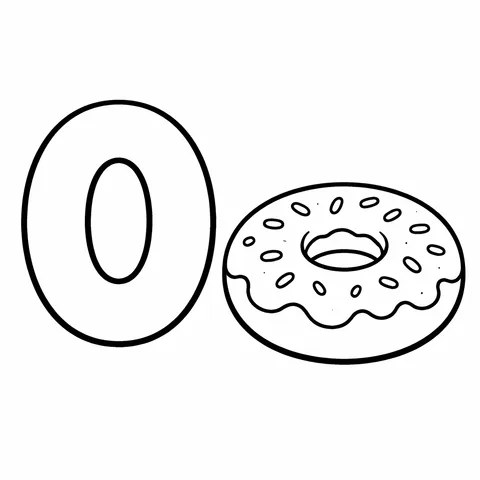
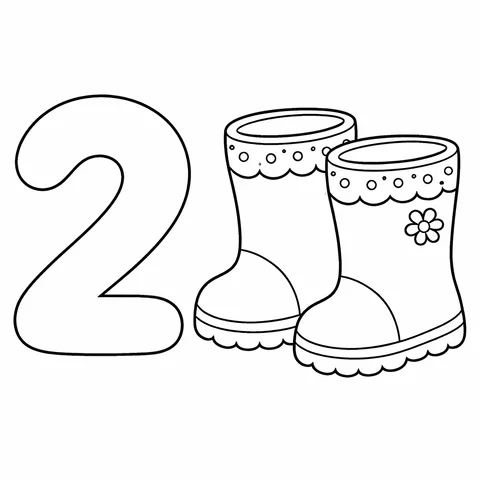
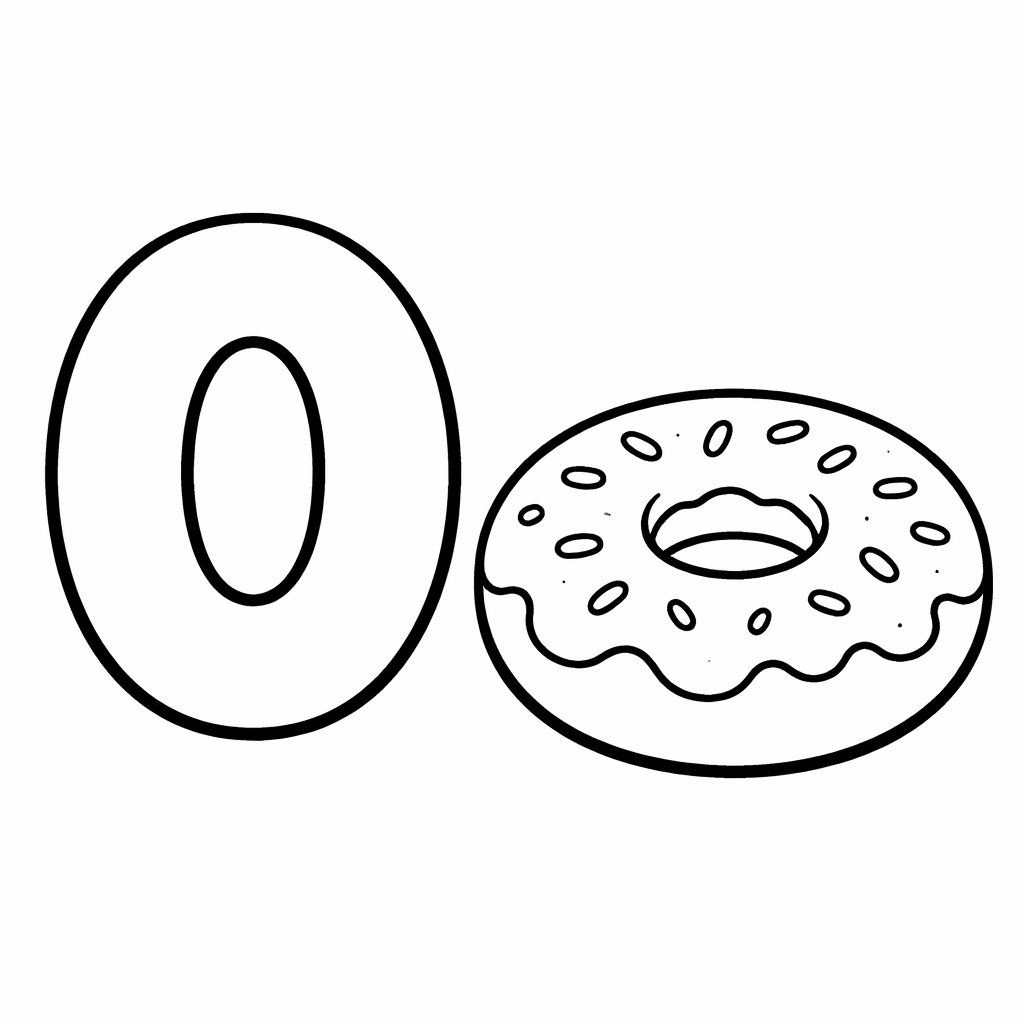
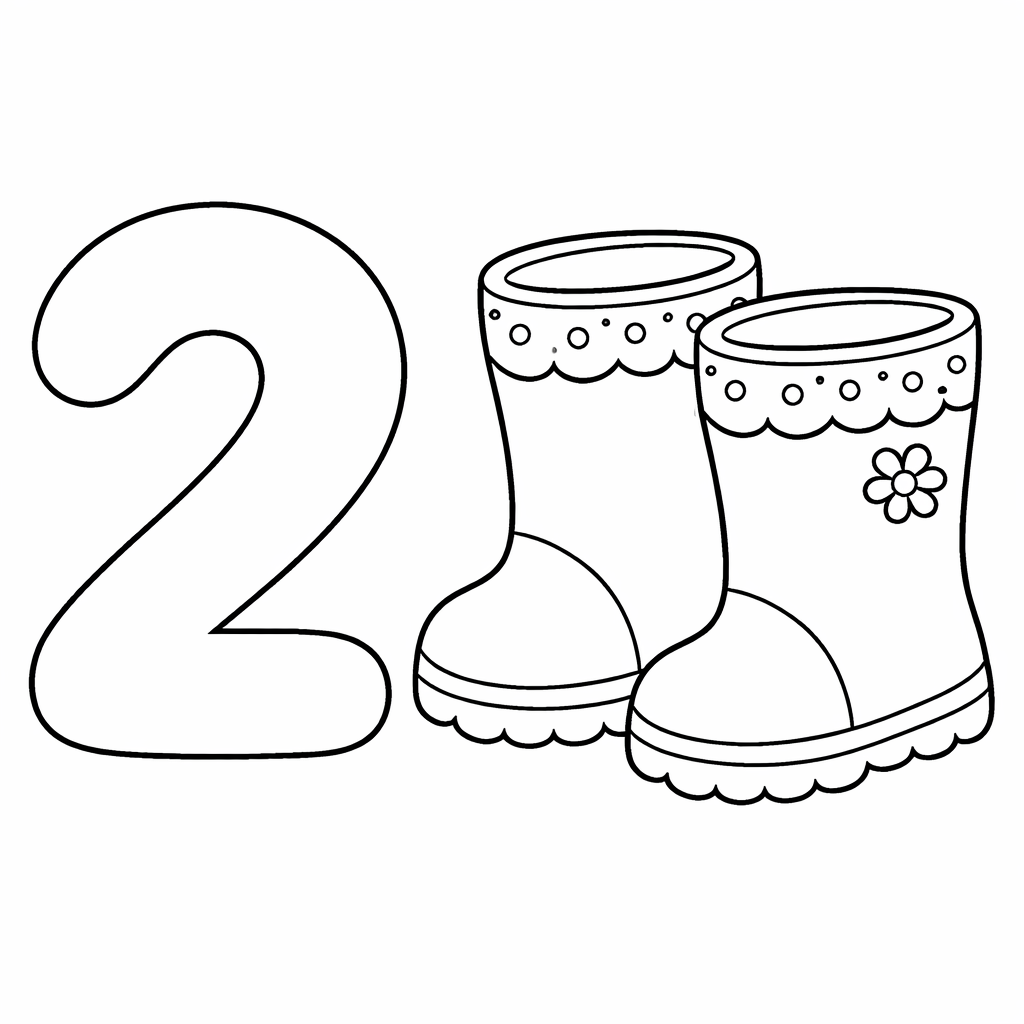
Number 0 Zero Donut Coloring Page sits at the start of the set for a reason. It shows a numeral beside a single ring-shaped donut, and the ring has nothing in the middle of it. Ask what the shape looks like and whether anything is inside, and zero arrives as a surprise rather than a rule. The single-item pages, Number 1 One Rocket Coloring Page and Number 2 Two Boots Coloring Page, do the same job at the other end of the scale, where one object is easier to hold in the head than ten.
Choosing a page for the right age
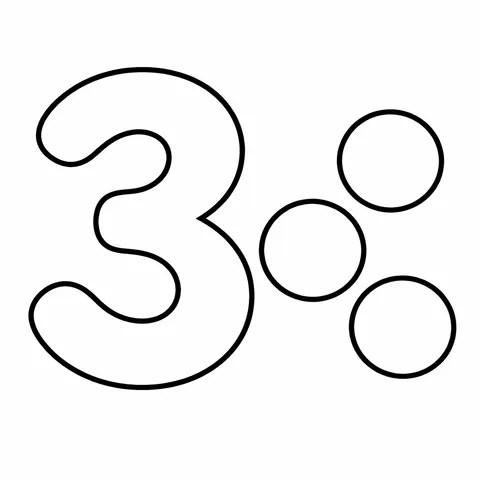
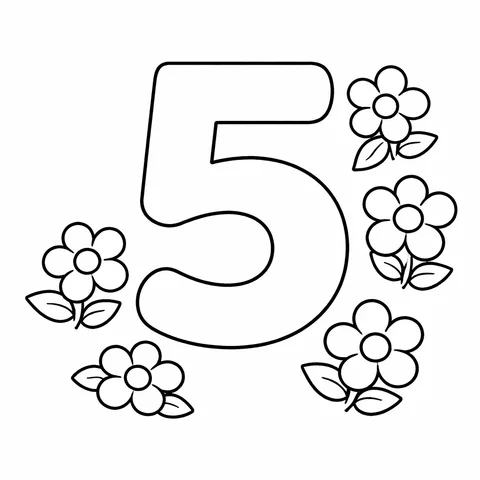
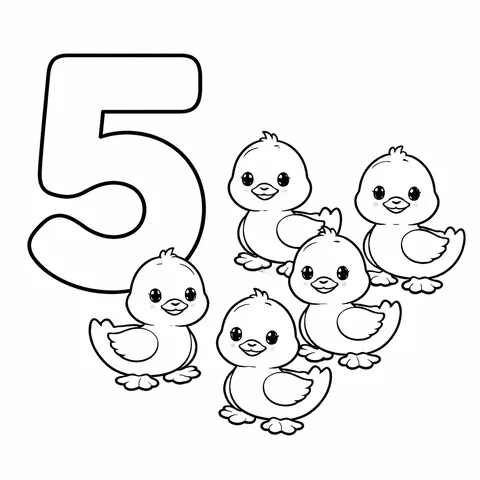
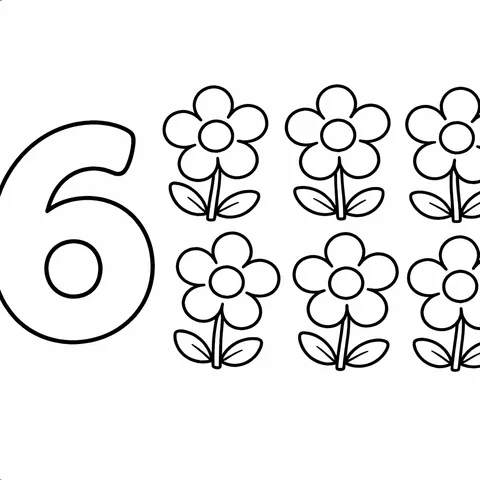
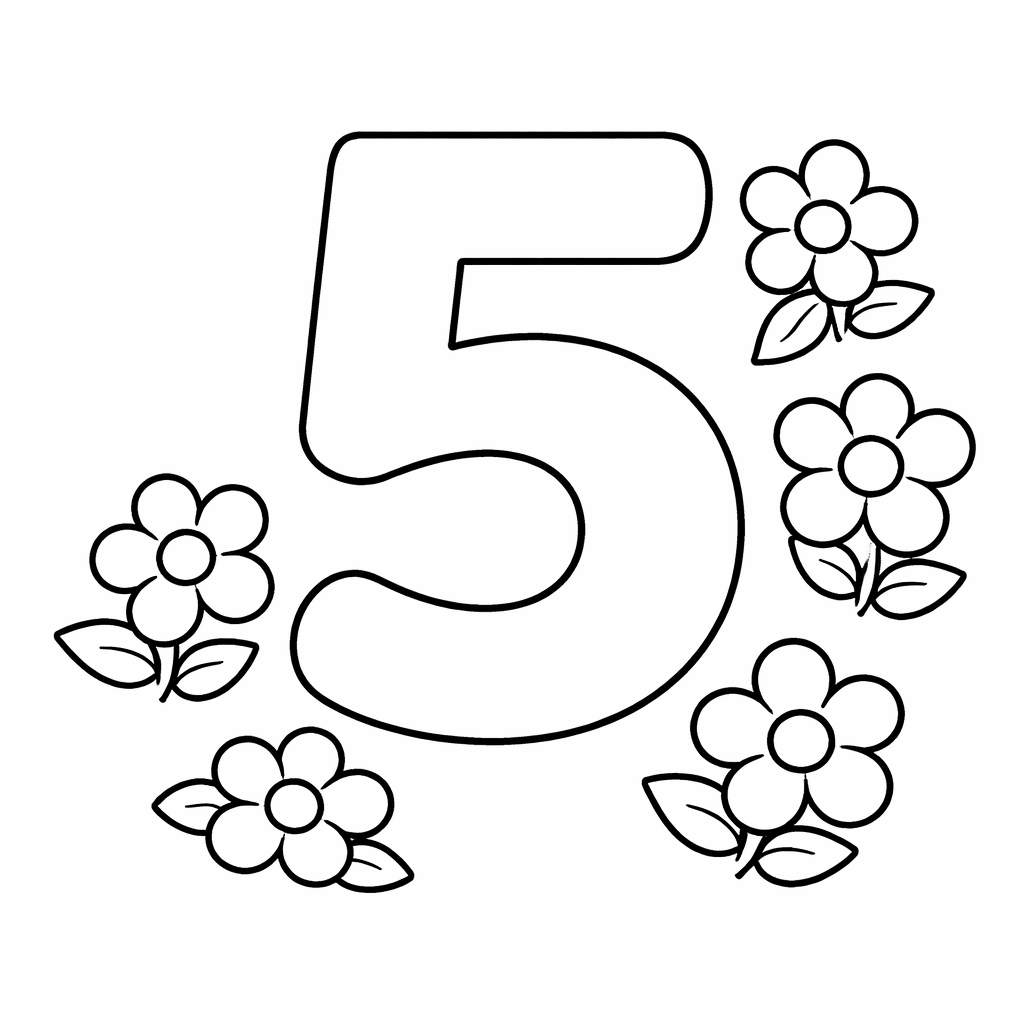
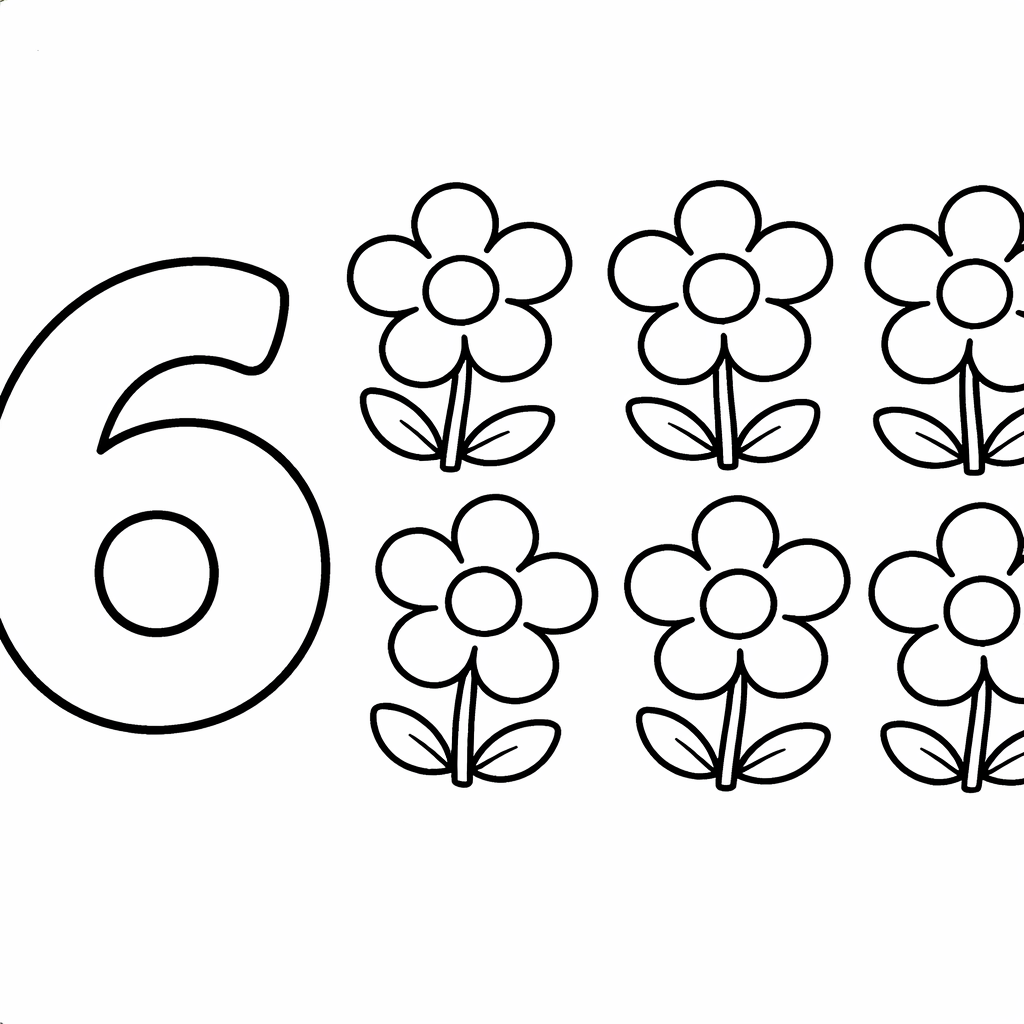
The age labels on these pages are a practical starting point rather than a fixed rule. The plain numeral pages, from Number 1 Coloring Page through Number 6 Coloring Page, are marked for ages three to five and are the simplest drawings in the group, with one large numeral and a few small pictures beside it. Pick these first for a three-year-old, or for a four-year-old who has not met printed numerals before. The quantity pages, where the numeral sits next to a matching group such as three turtles or six flowers, are marked for ages four to seven, and the ten fish page suits a child ready to meet a two-digit numeral.
When a child finishes early
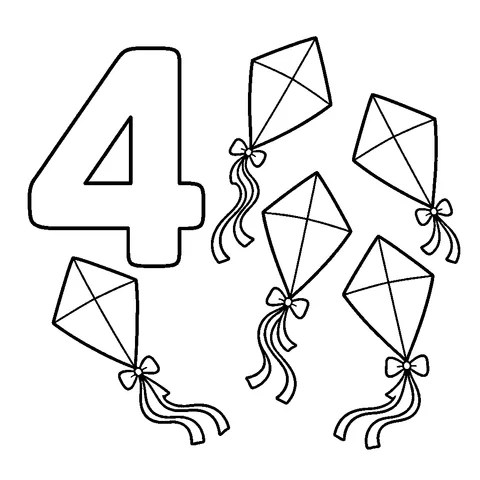
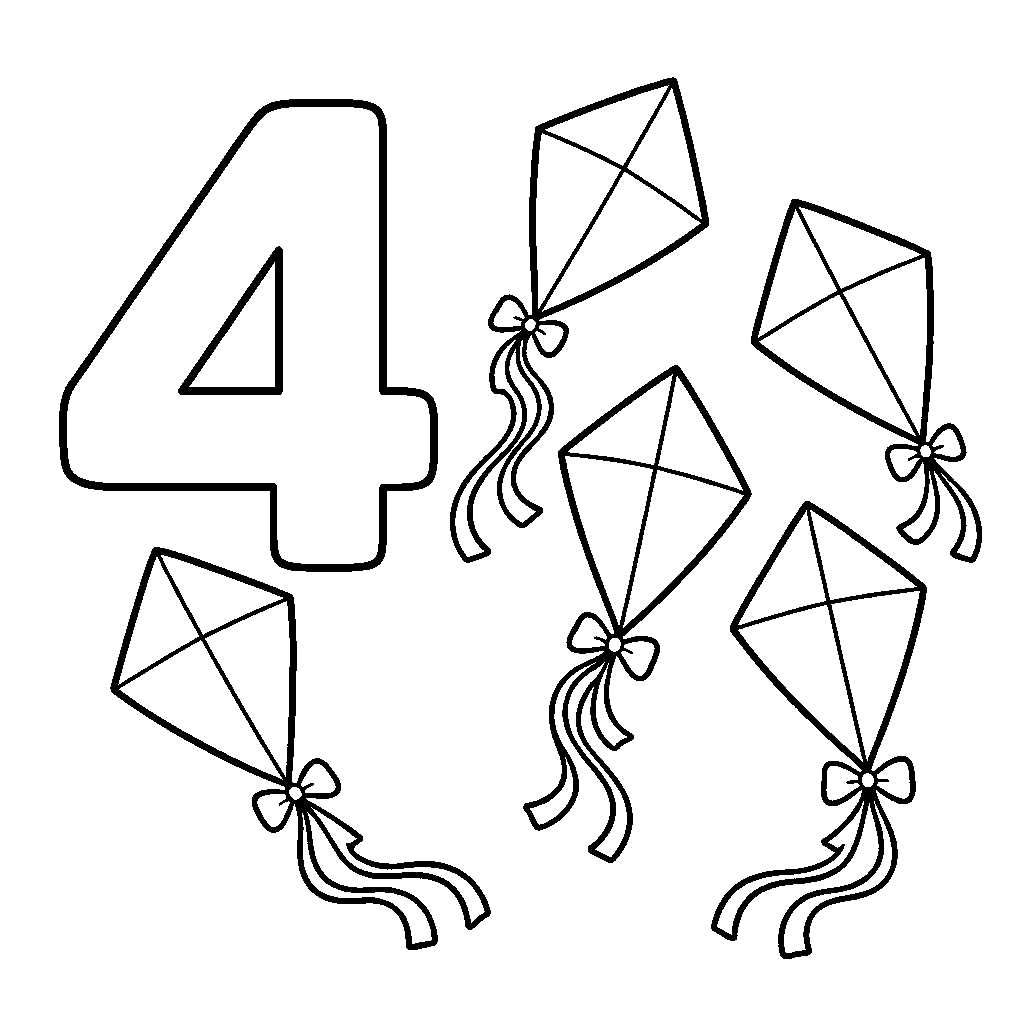
Finishers usually want more of the same rather than something new, so keep a small stack of crayons within reach and let the colour work continue. A second page on the same numeral is the easiest extension: print Number 4 Coloring Page and Number 4 Four Kites Coloring Page together and ask the child to colour both, then compare the two sets of fours. Another option is to have the child draw their own row of objects to match a numeral, using the open white space around the picture. Car On Country Road Coloring Page works well for this, because the winding lane and the two rounded hills leave plenty of white ground to add a row of cars to.
Printable pages for this activity
Every page below prints on its own. Use the age label to pick a good first match for your child, then add a second page from the same activity if they want to keep going.







Questions teachers ask
- Which of these math coloring pages suit a two-year-old?
- None of the pages in this hub are labelled for two-year-olds. The youngest sheets here are the plain numeral pages, marked for ages three to five, such as Number 1 Coloring Page. A younger child would need the Big Smiley Moon Coloring Page, which sits in the space hub.
- How many printable pages are in this hub?
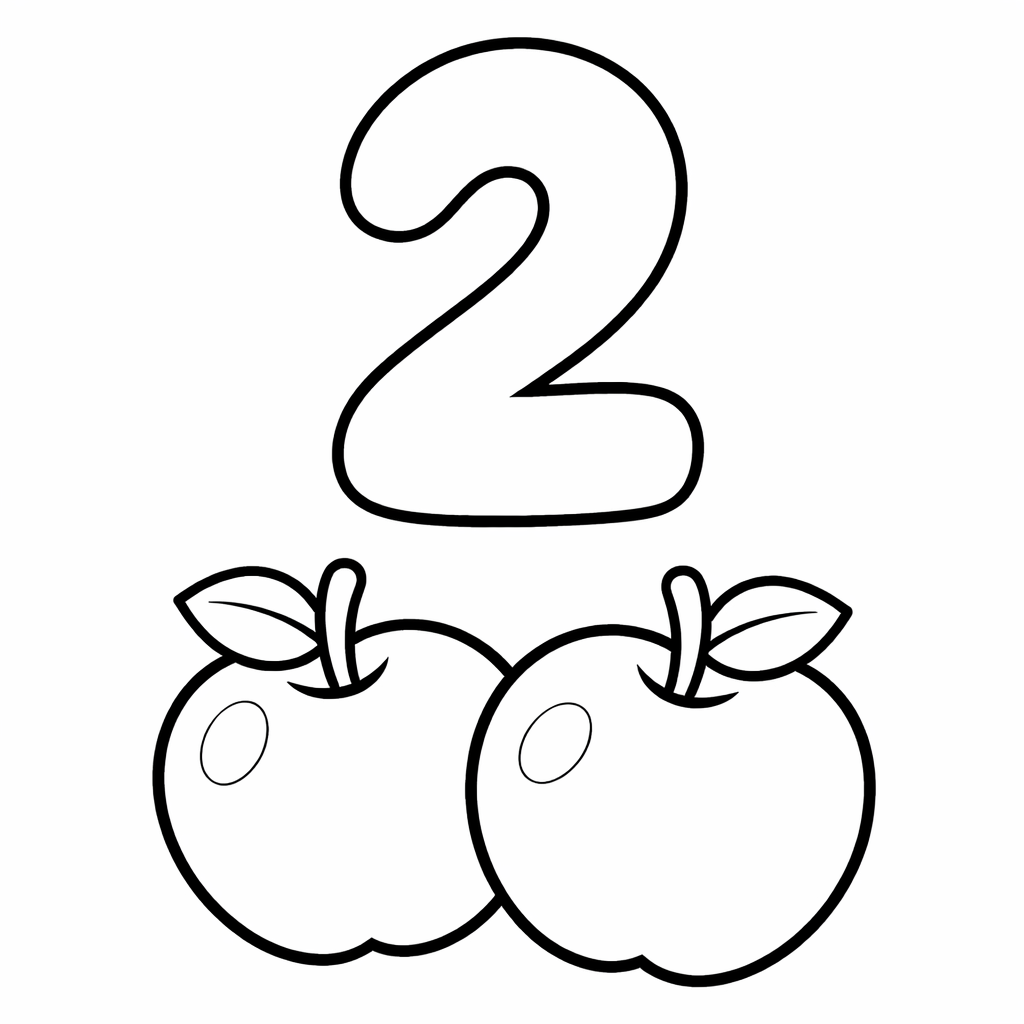
- There are 16 printable pages. Six show a single large numeral with a few small pictures, such as Number 2 Coloring Page. Six more pair a numeral with a group of objects, and the remaining four cover zero, ten, a basket of apples and a country road scene.
- Can I print these math coloring pages at home?
- Yes. Every page here is a black and white line drawing with thick outlines on a plain white background, so it prints clearly on an ordinary home printer. Print on plain paper, and print single sided if a child is still learning to keep colour inside the lines.
- What do the math coloring pages practise?
- They practise counting and number recognition together. The child counts the coloured objects and links that count to the printed numeral beside them. Pages such as Number 2 Two Boots Coloring Page also offer tracing practice, since the numeral is large enough to follow with a finger or a crayon.