 Ages 3-6
Activity
Letter Recognition Coloring Pages for Preschool
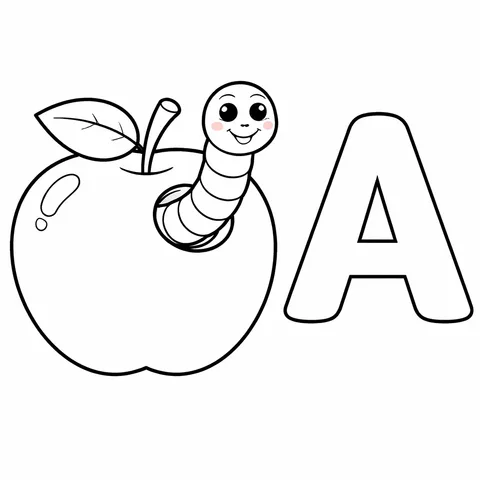
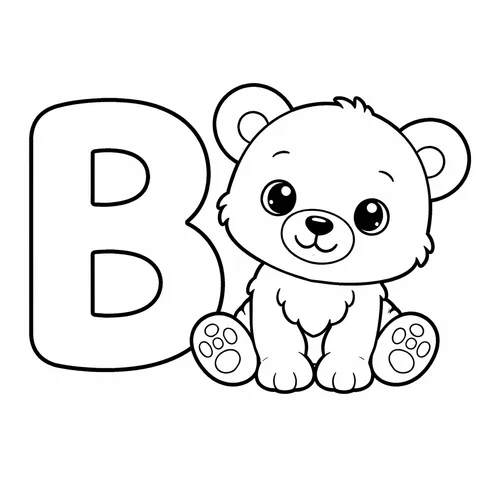
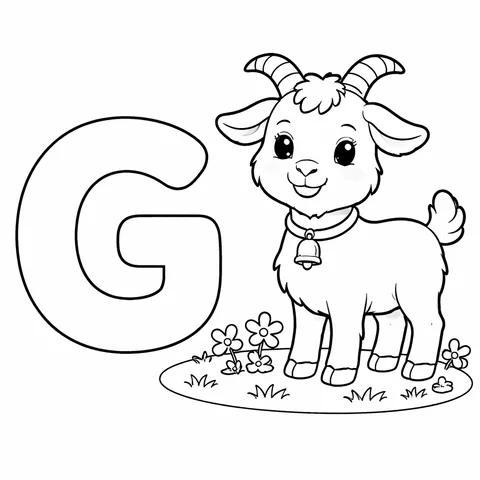
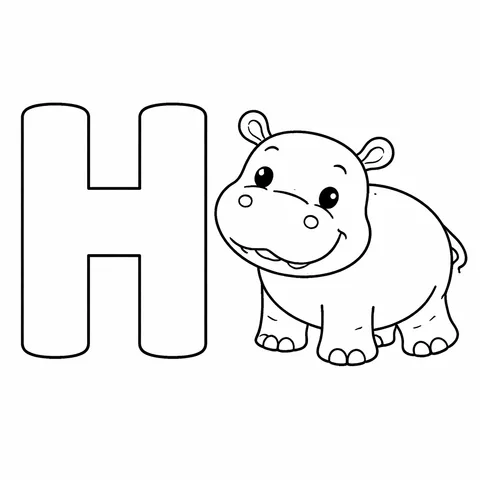
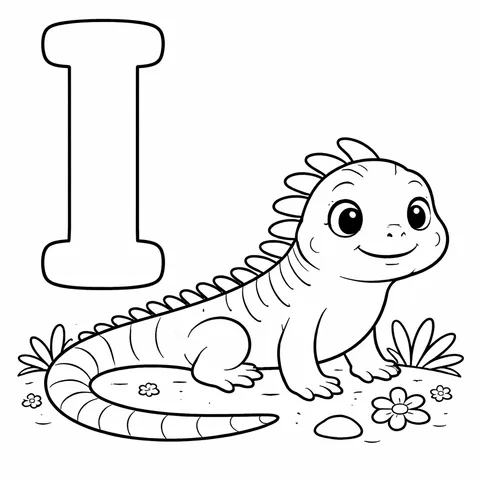
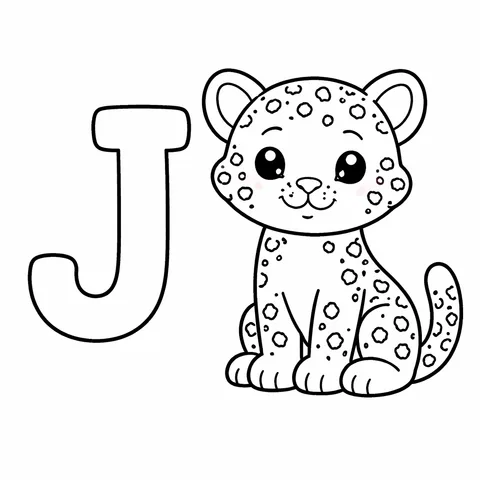
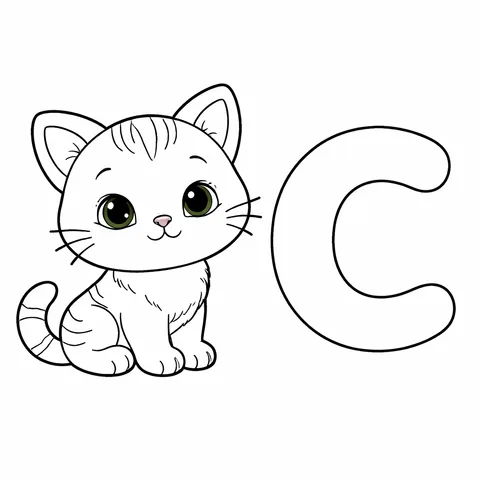
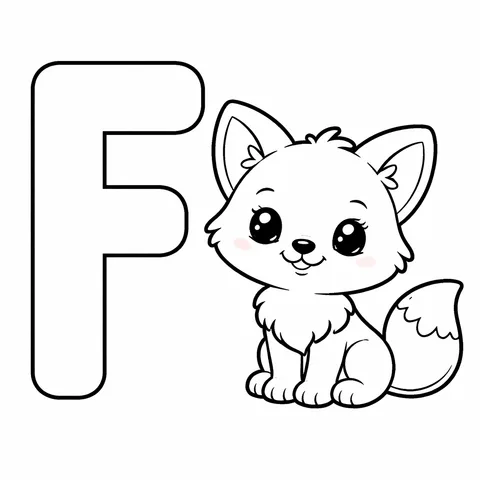
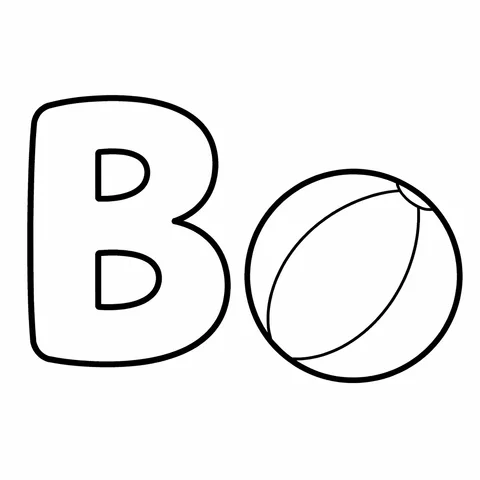
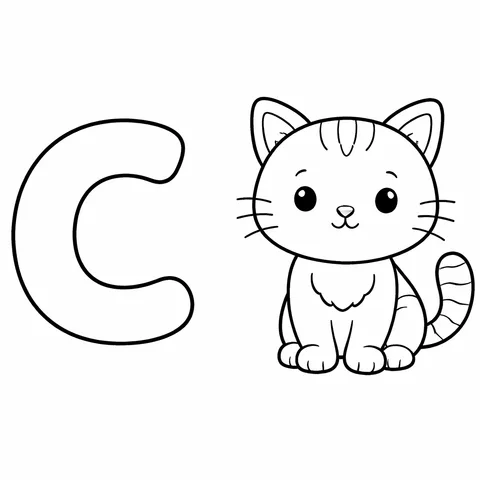
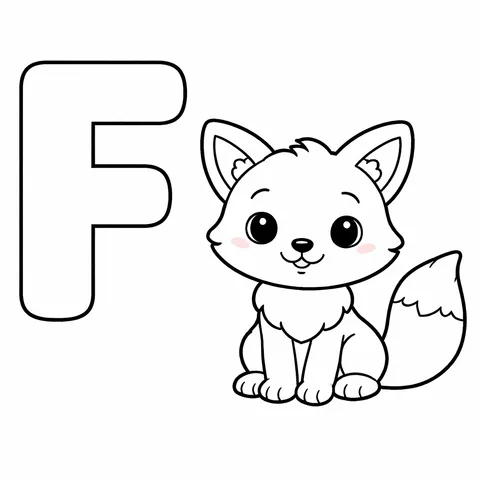
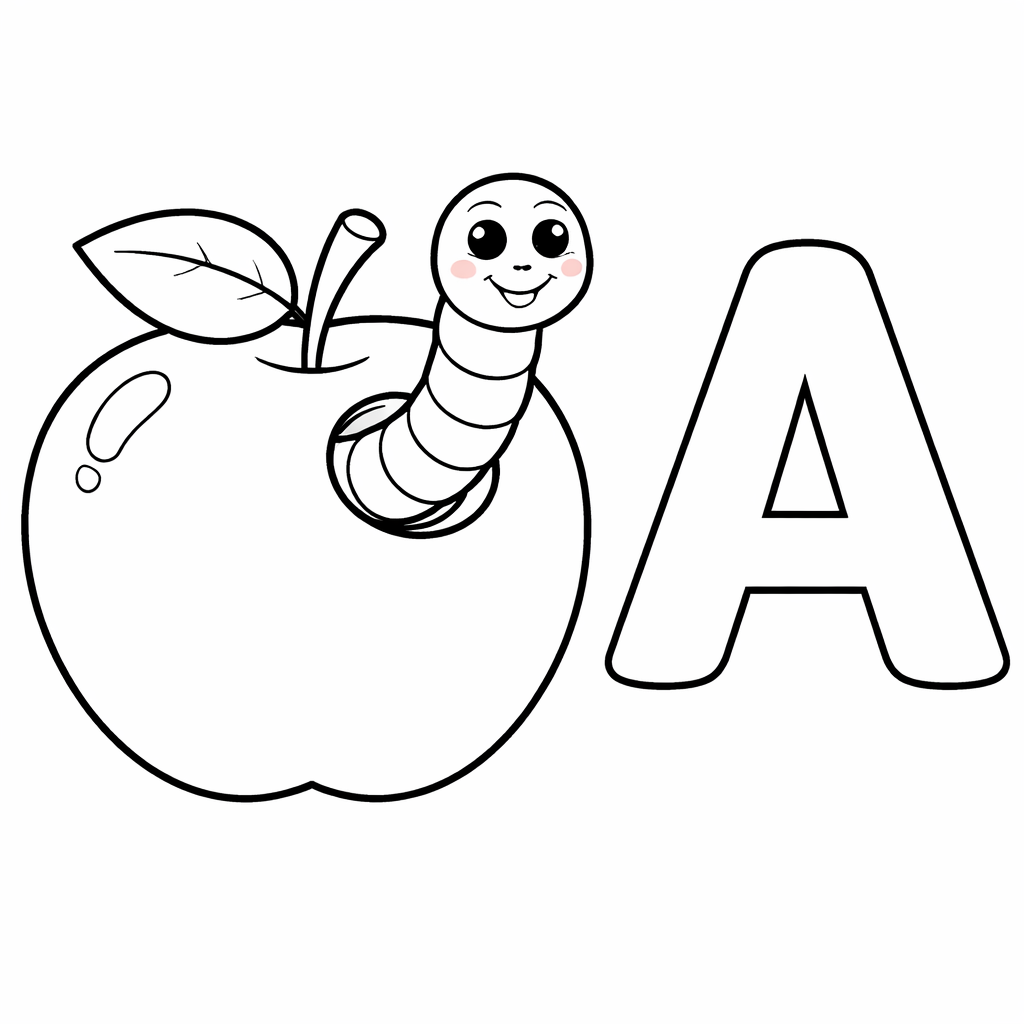
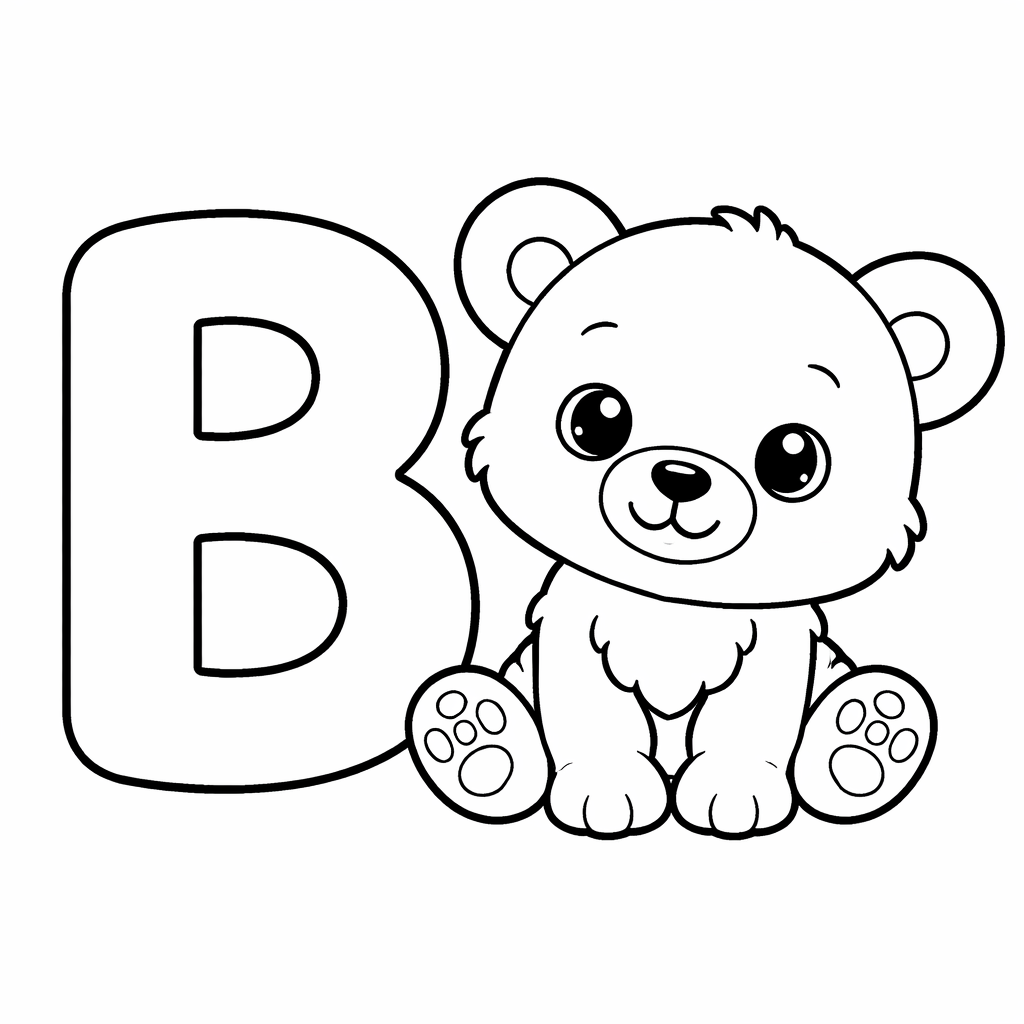
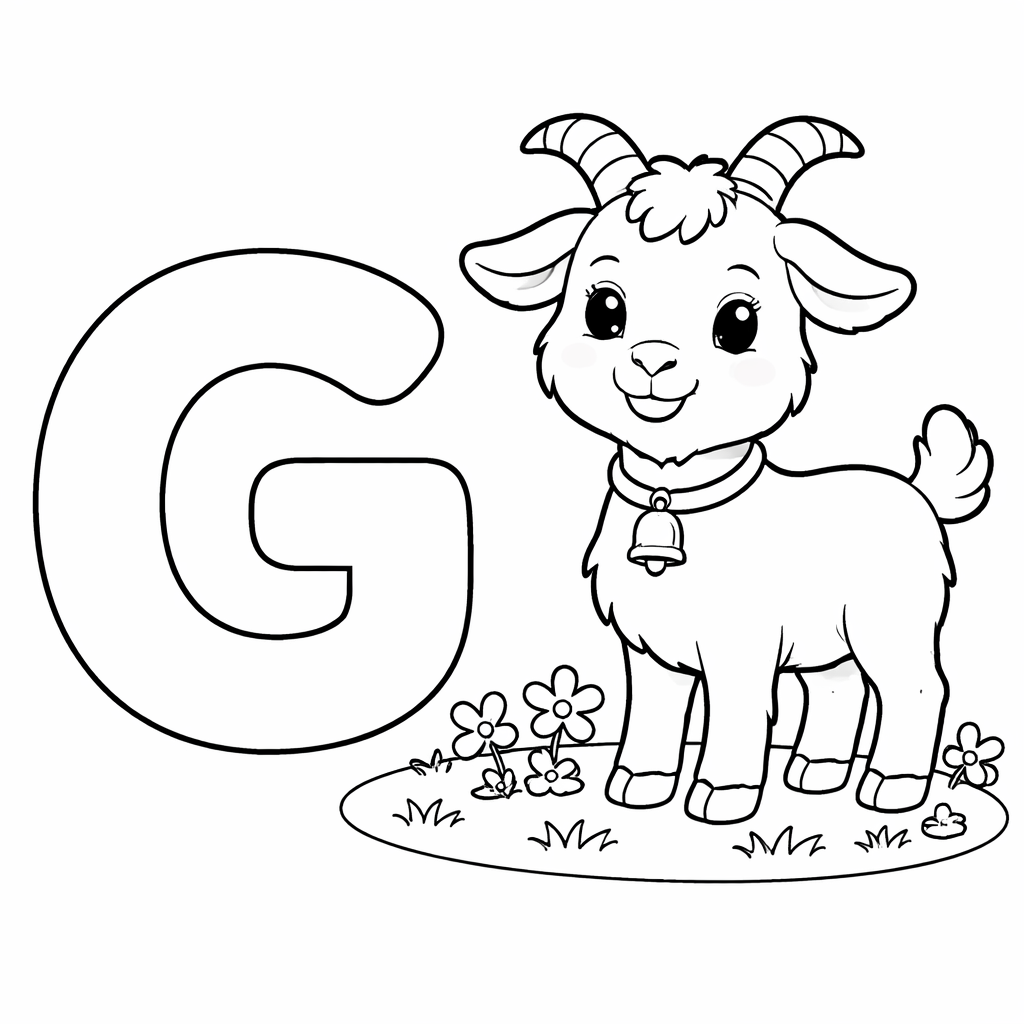
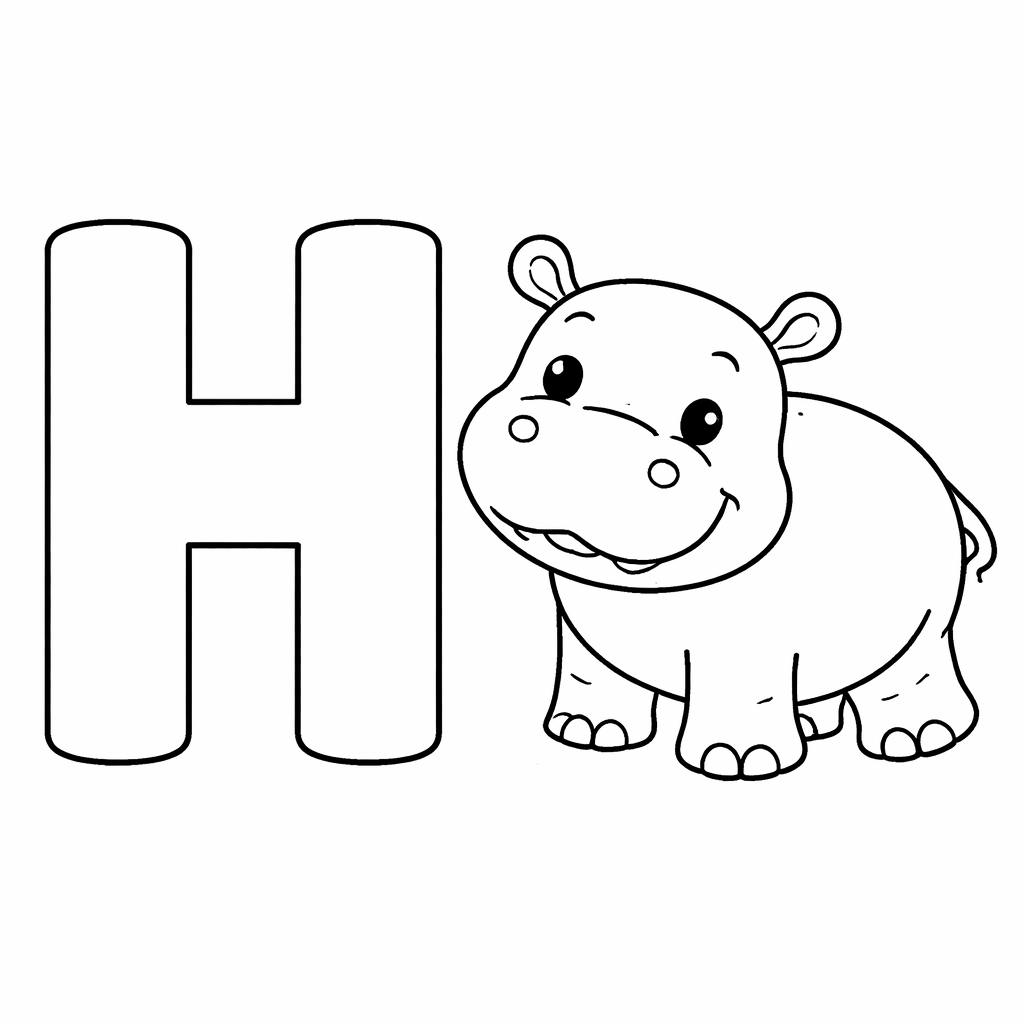
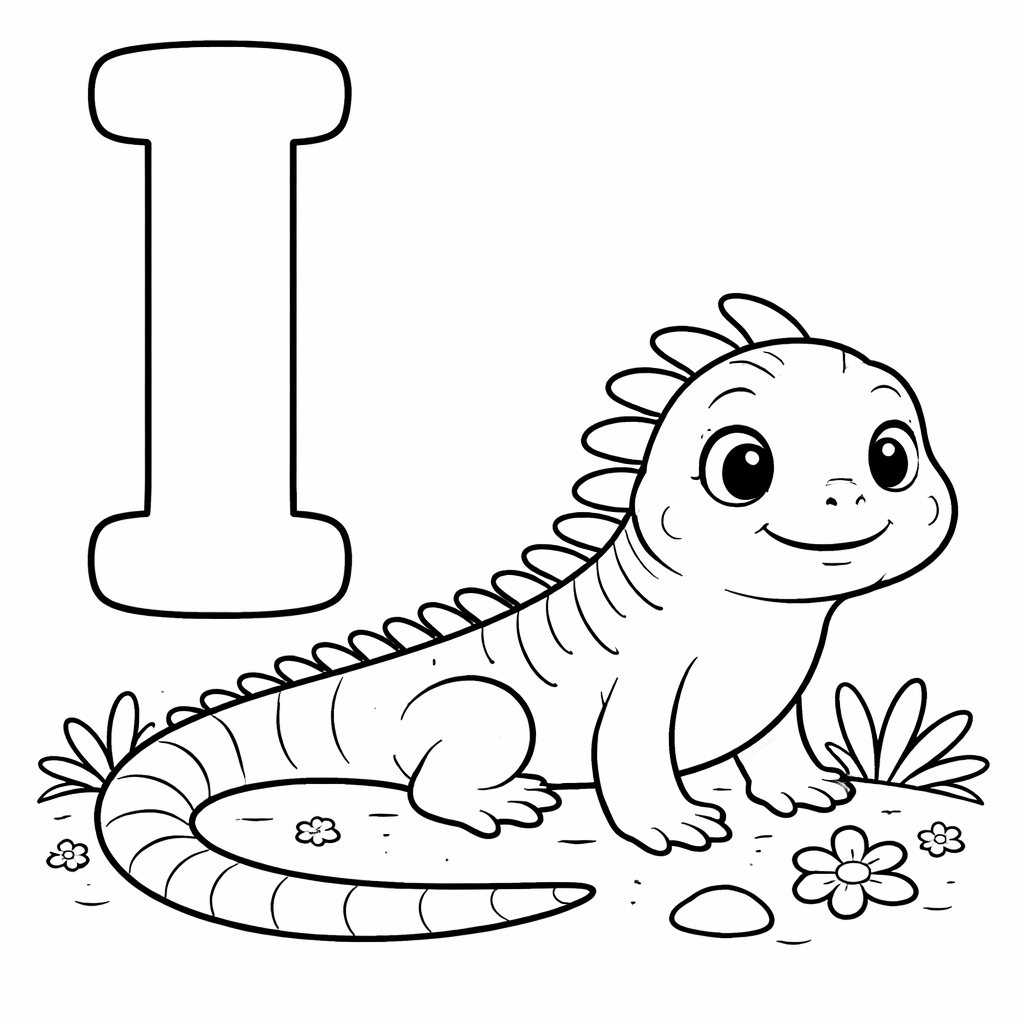
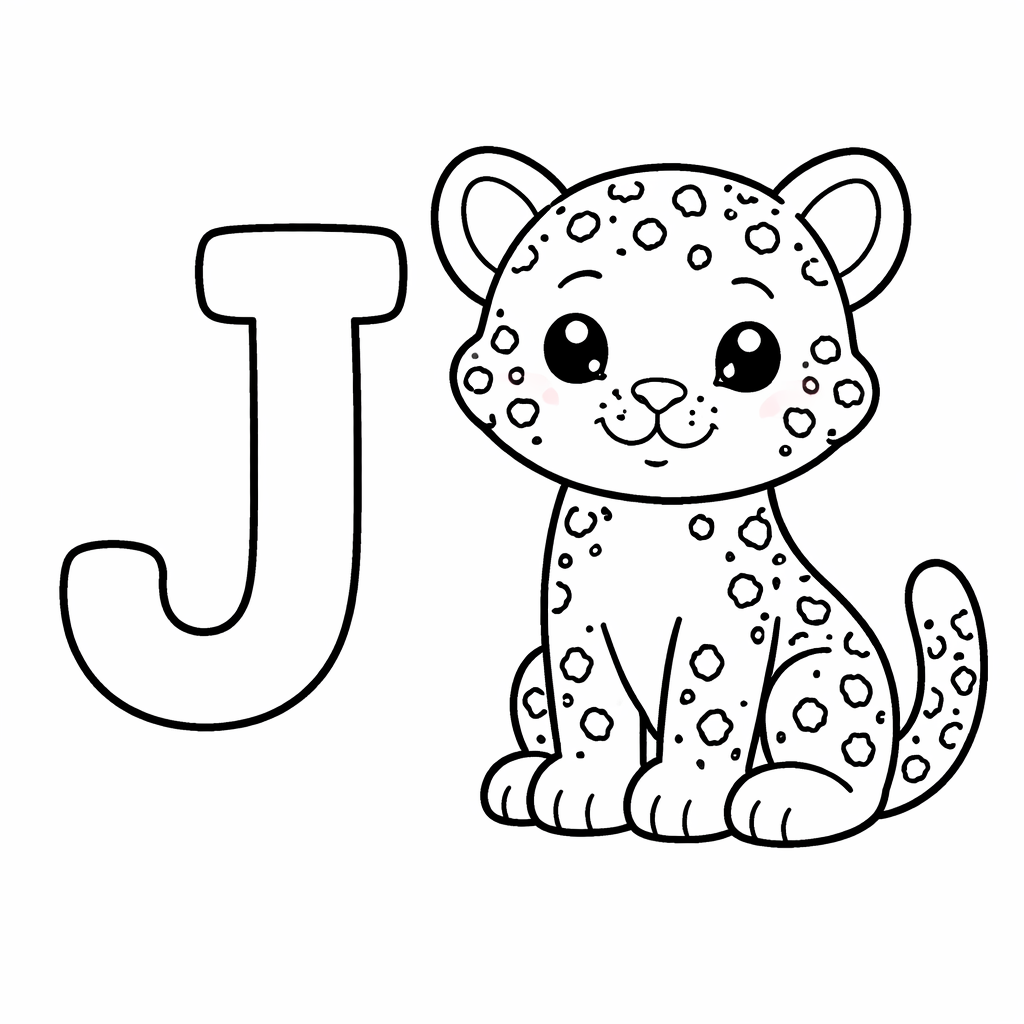
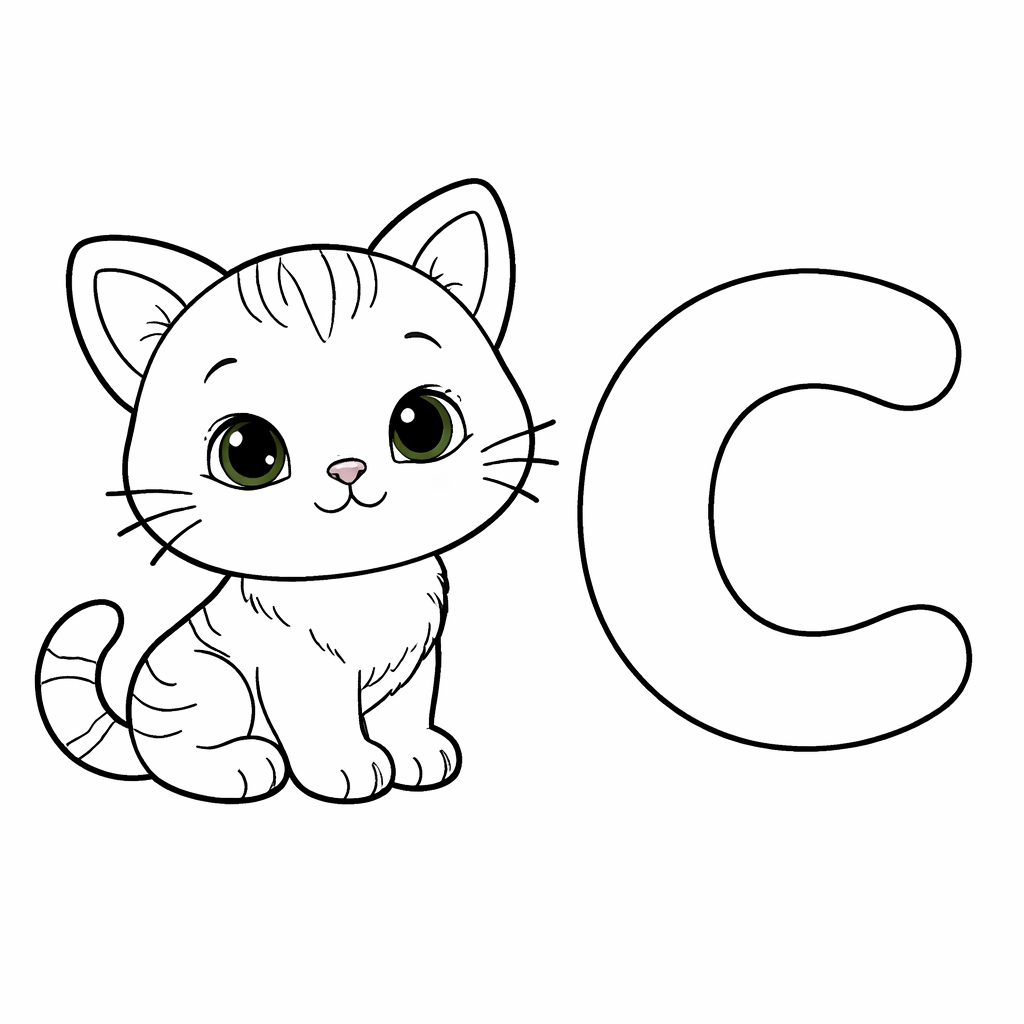
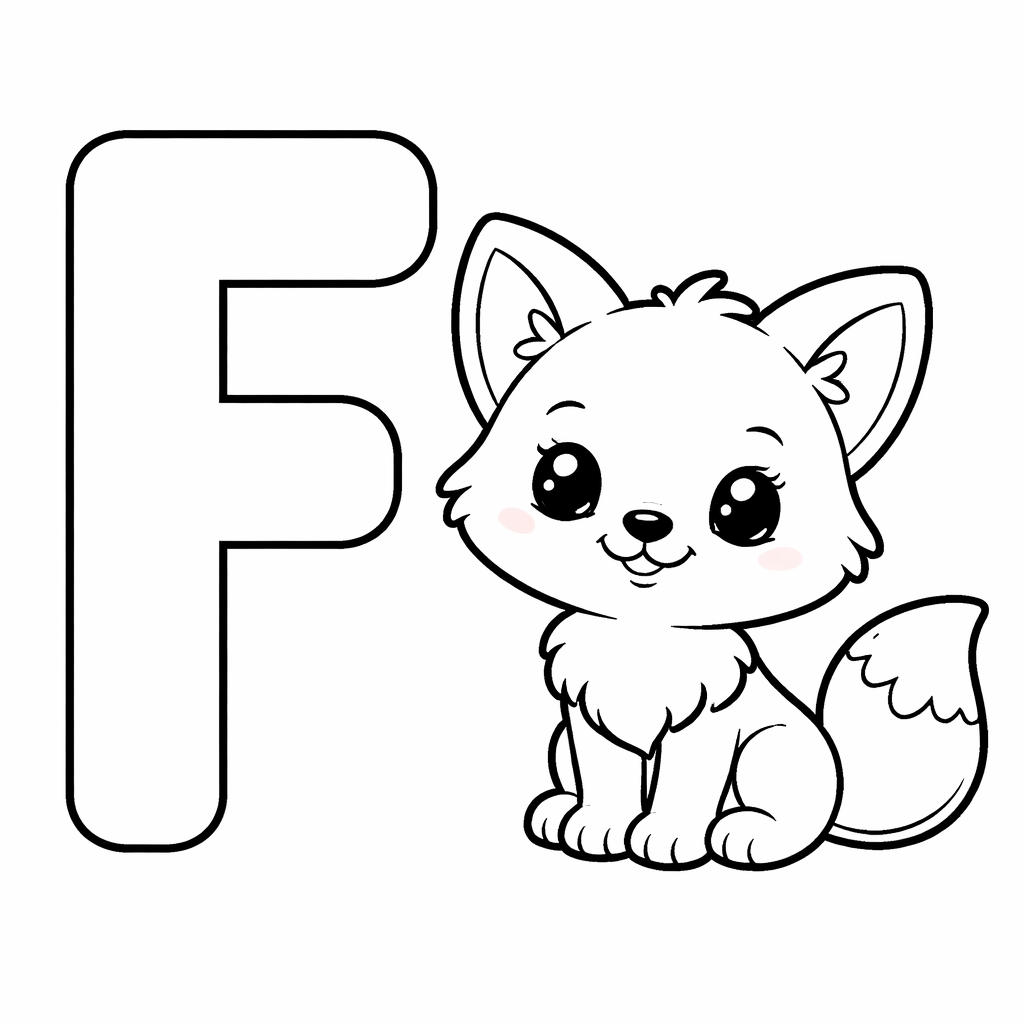
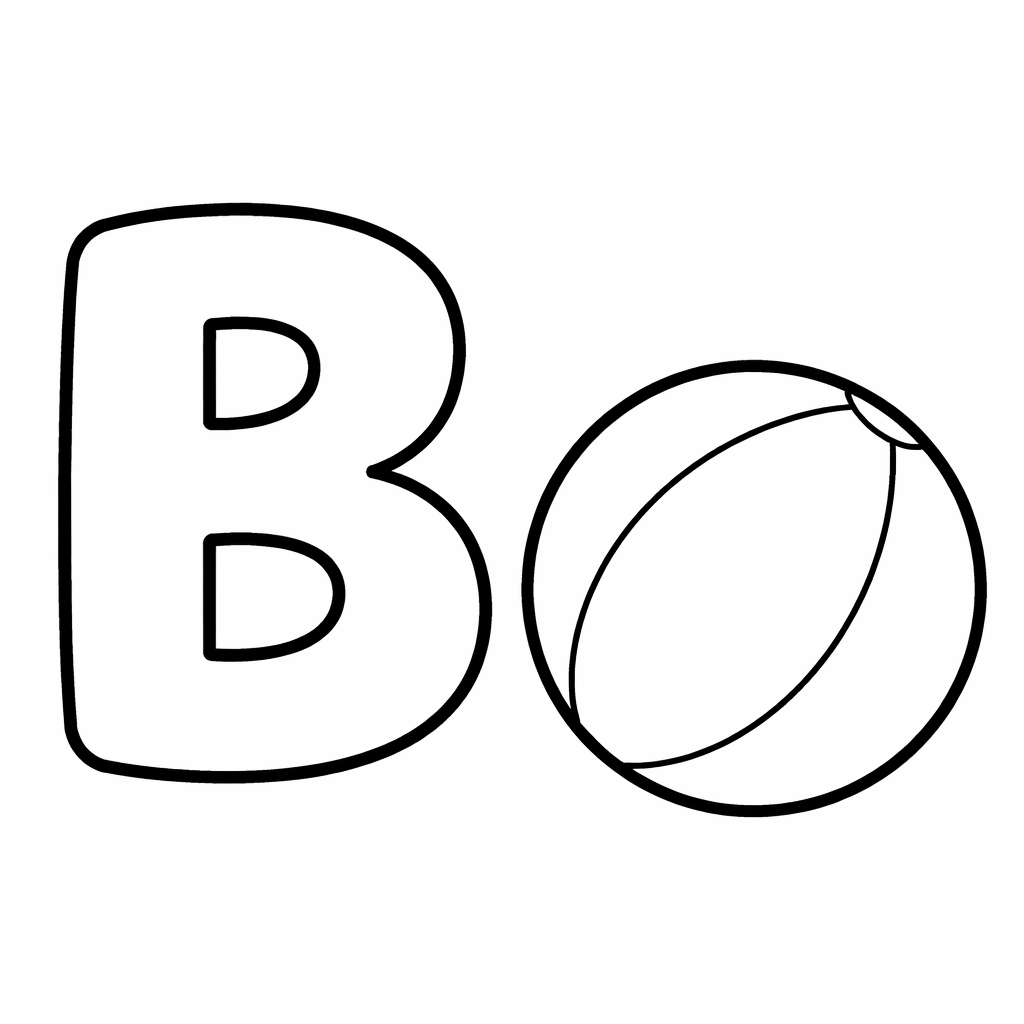
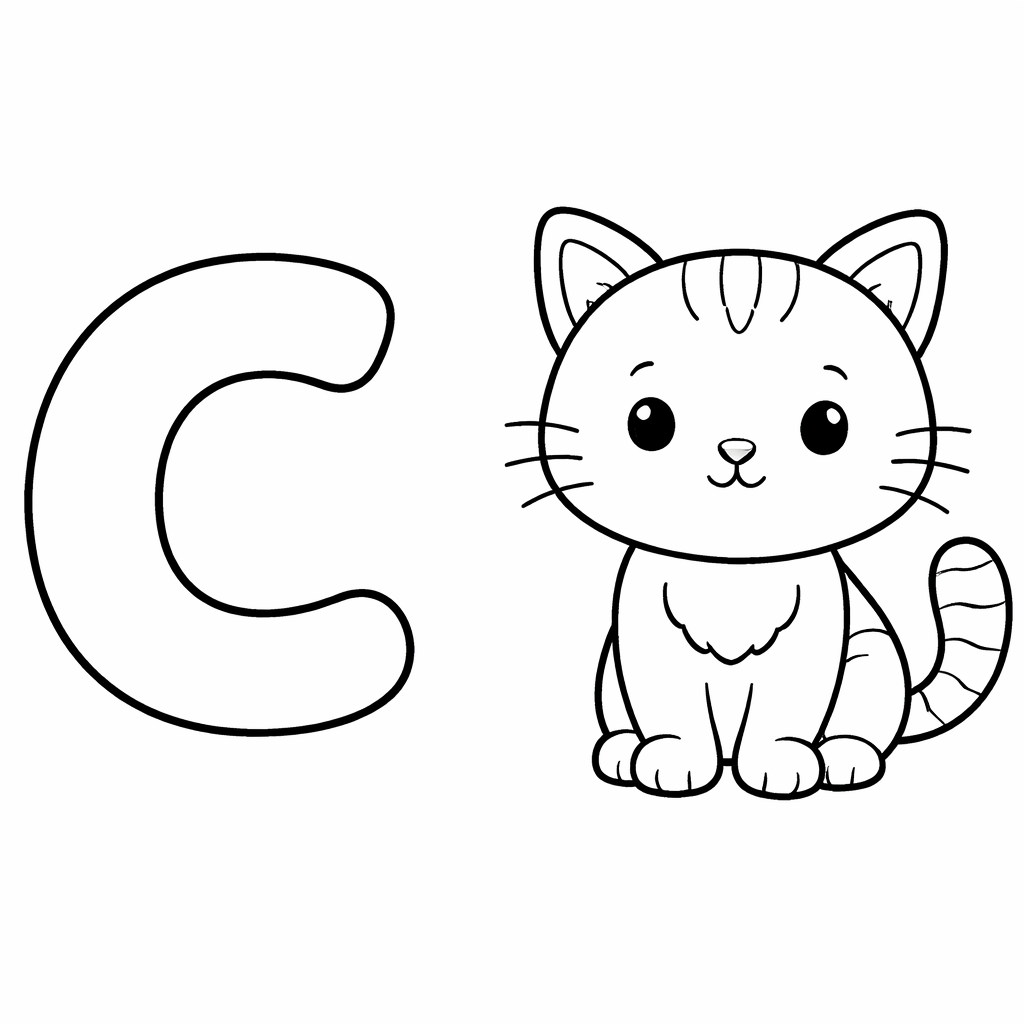
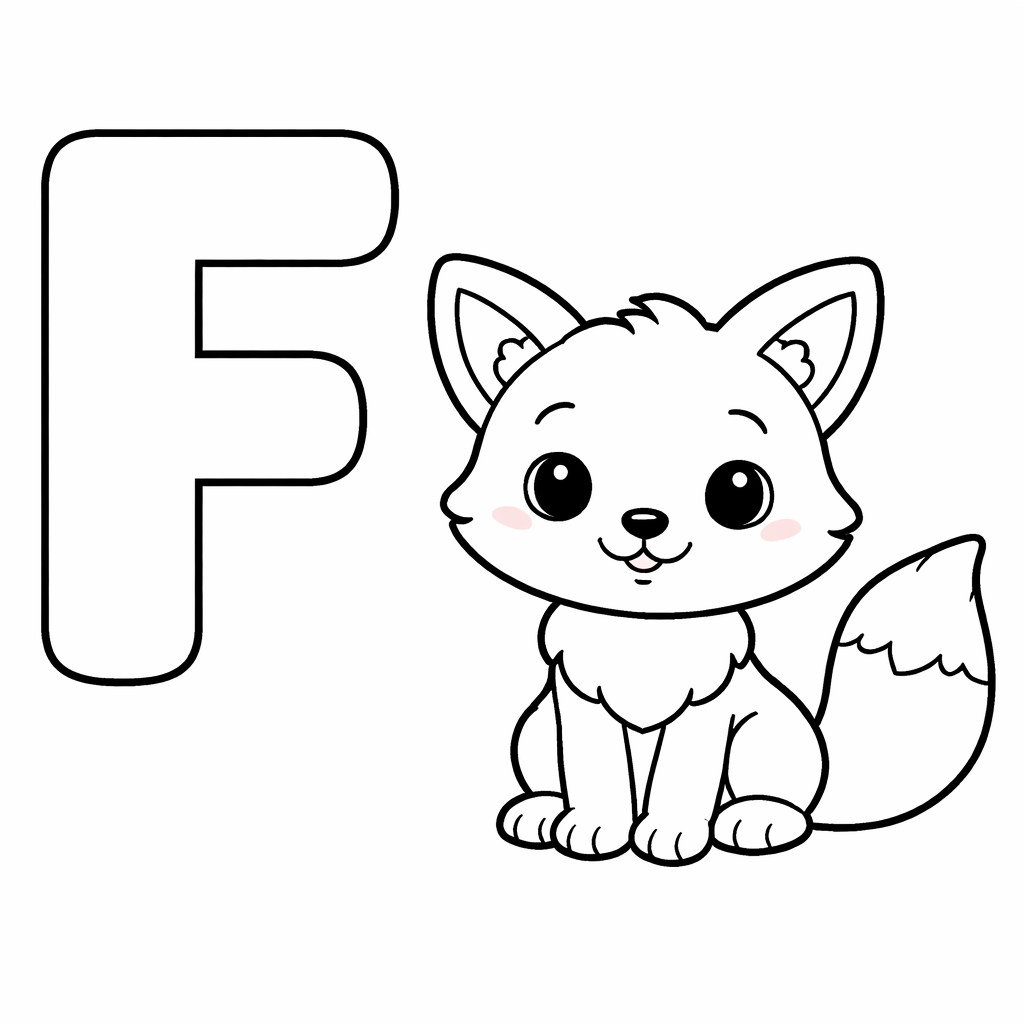
This hub collects 16 printable letter coloring pages built around one uppercase letter and one picture. Each page shows the letter large and plain with a matching picture beside it. The set covers the letters A through J. A through F appear twice: once on the simplest pages, where a plain letter sits next to a single outline such as an apple for A or a ball for B, and once on pages that join the letter to the animal it stands for, such as C is for Cat Coloring Page and Alphabet Bear Coloring Page. G, H, I and J appear once each, beside a goat, a hippopotamus, an iguana and a jaguar. The plain pages are marked for ages three to five, the animal pages for ages three to six, and the last four for ages four to seven. Children colour the letter, then the picture, then say both aloud.
Starting a letter session
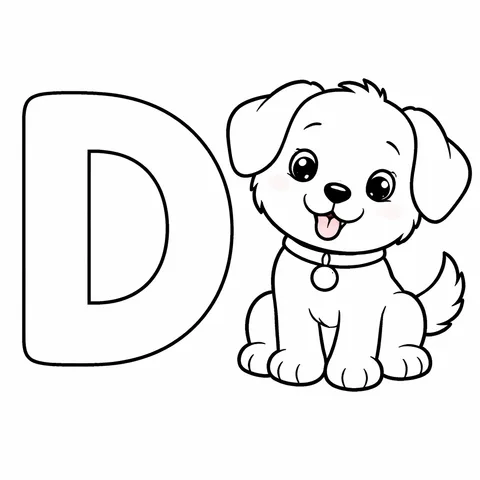
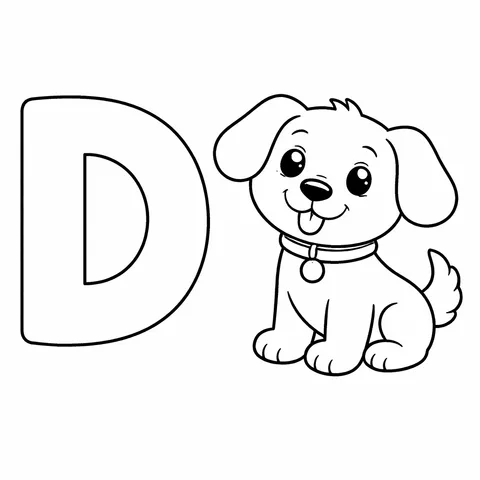
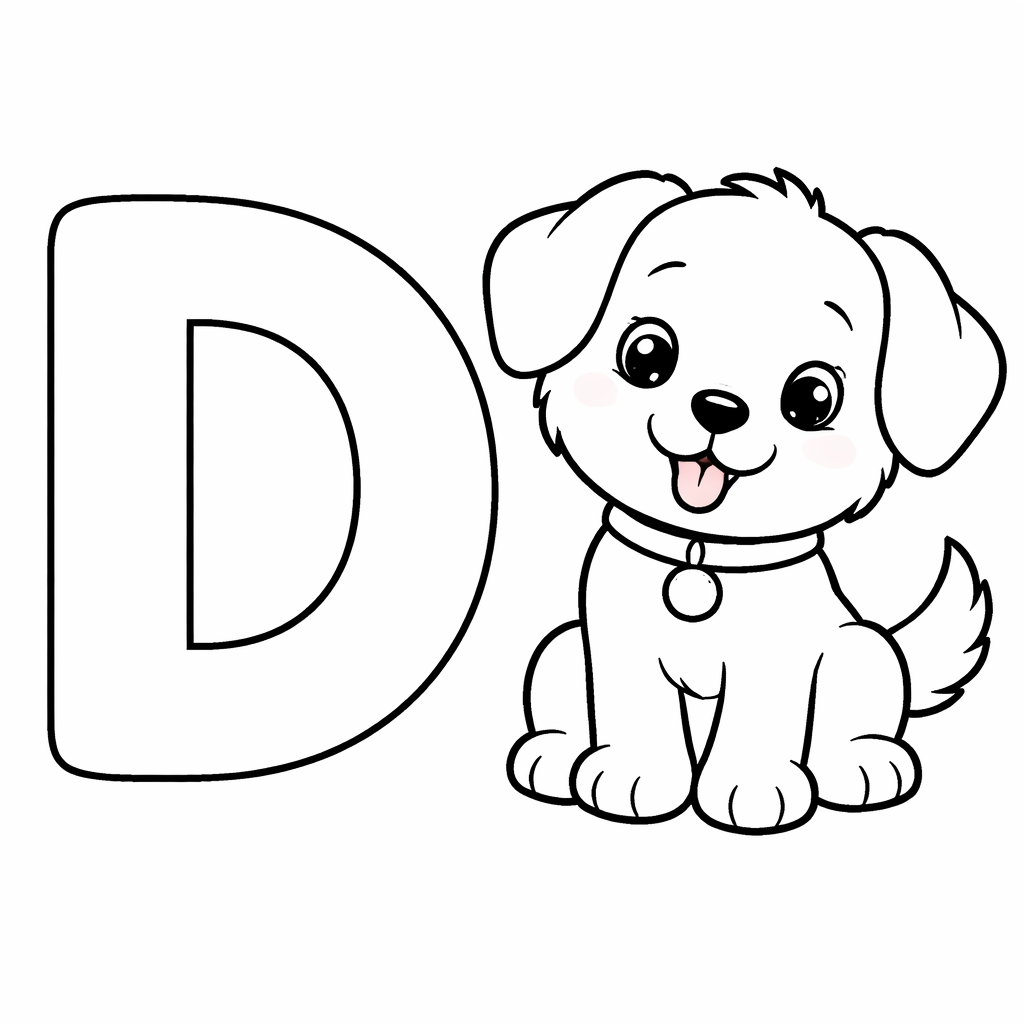
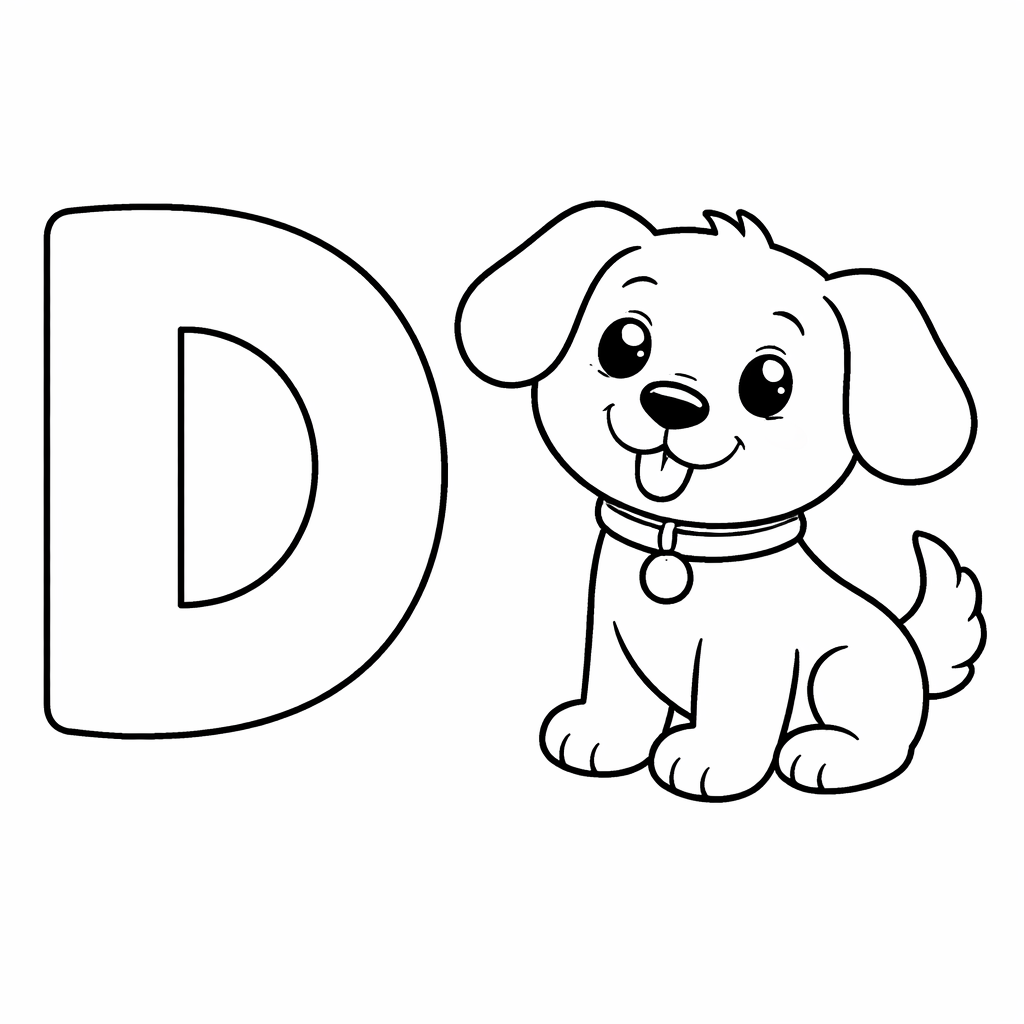
Print one page and put it in front of the child with crayons beside it, not in front. Ask them to find the letter before they start colouring, and let them trace it in the air with a finger first. Pointing at the letter and saying its name gives the child a fixed sound to attach to the shape. The plain pages, such as Letter D Coloring Page with a simple dog outline, are the easiest place to start because the page holds very little else. Keep the first letter short. A single page is enough, and the value comes from returning to the same letter over several days rather than racing through the whole alphabet in one sitting.
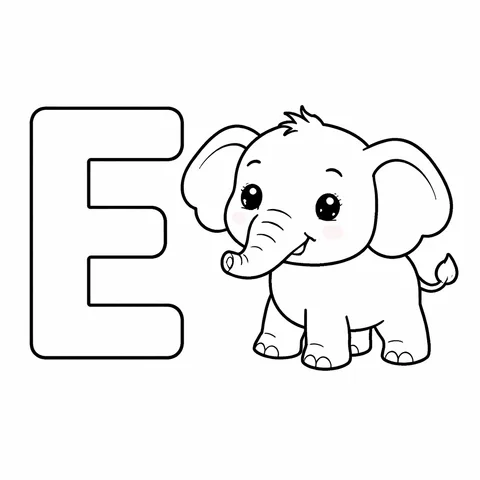
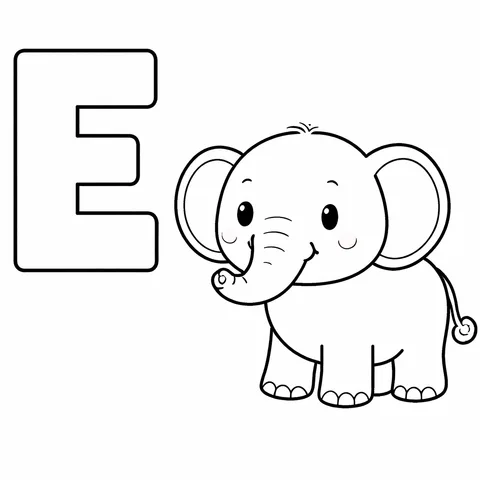
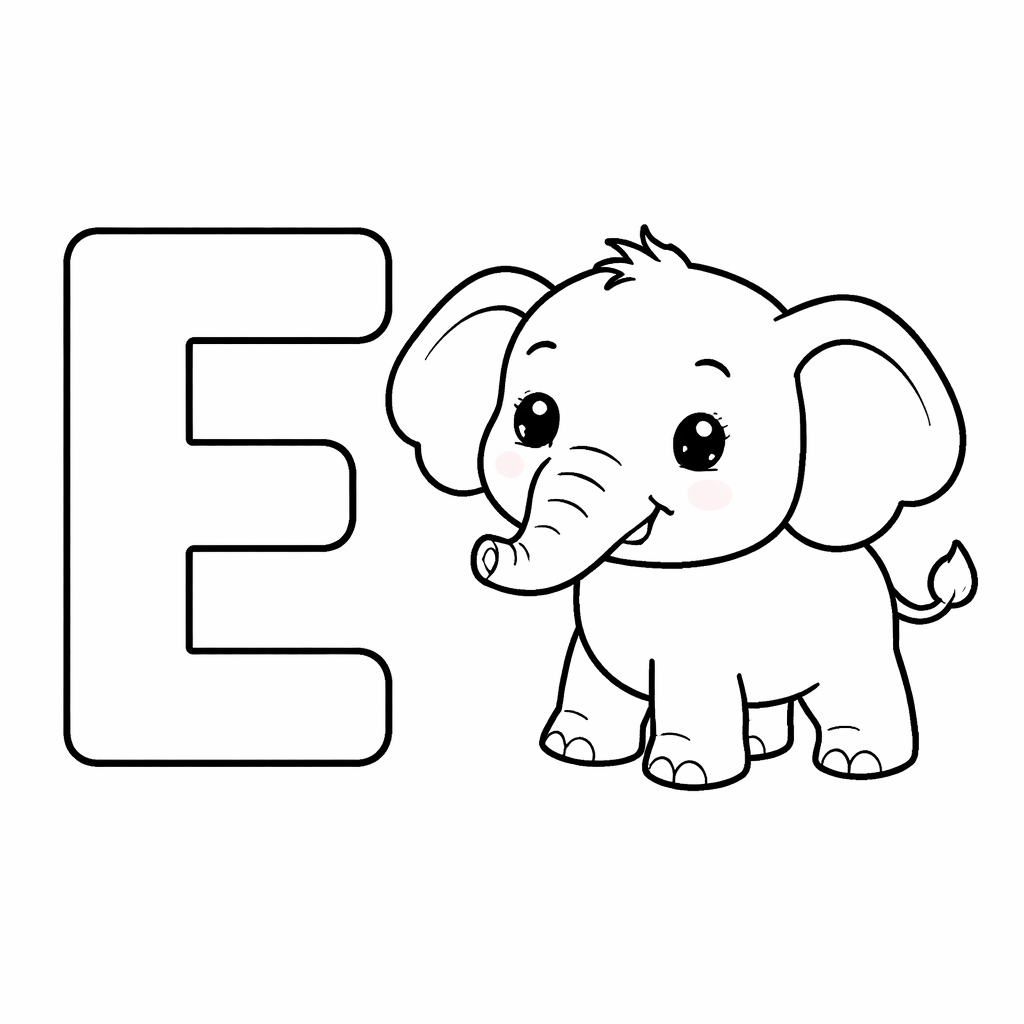
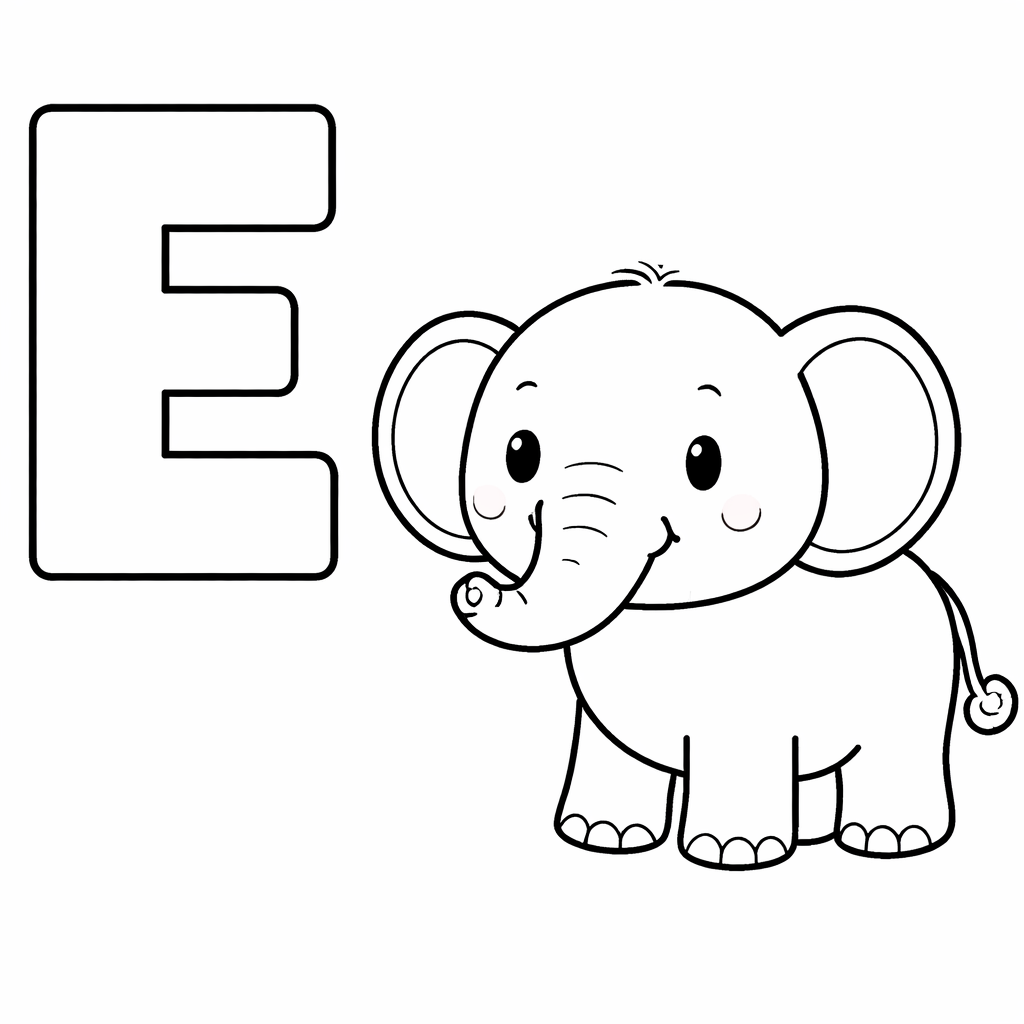
When the letter is coloured, move on to the picture and ask what it is. On Letter E Coloring Page the outline is an elephant, so the child has already drawn the thing that gives the letter its sound. Say the word slowly and let the child hear the sound at the front of it. On the animal pages the same idea is built in, since C is for Cat Coloring Page prints a sitting cat next to a plain C. Younger children often say the whole word first and find the letter inside it second, which is a reasonable order for them.
Sounds, names and the printed letter
There are two things to know about a letter and they are different. The name is what we call it, A, B, C. The sound is what it does at the start of a word, the a in apple and the c in cat. A printed page can only show the shape of a letter, so the sound has to come from the adult and from the picture beside it. Pairing each page with its animal does most of that work. When a child colours Alphabet H Hippo Coloring Page and says the word hippo, the shape and the sound arrive in the same moment. Ask for the sound at the start of the word rather than in the middle, and let a child who is not ready for sounds keep naming letters.
Writing comes later than colouring in this set, and it is fine to leave it there. The letters are printed large with plain shapes, so a child can trace one with a crayon when they want to. Let them do it on the page itself rather than on separate paper, so the letter and the picture stay linked. Some children will insist on colouring over the letter completely. That is acceptable. The page still works as a picture, and the next time they meet a letter in a book they will look for it.
Matching a page to a child's stage
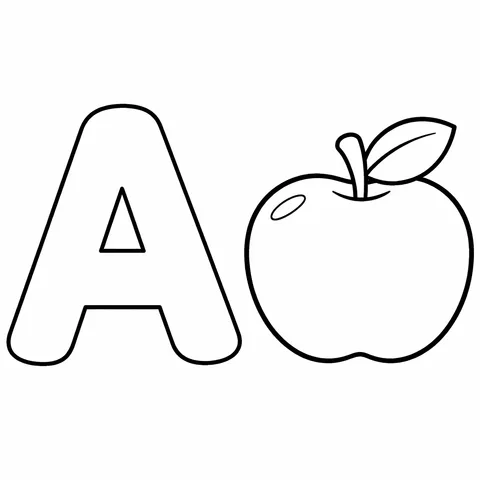
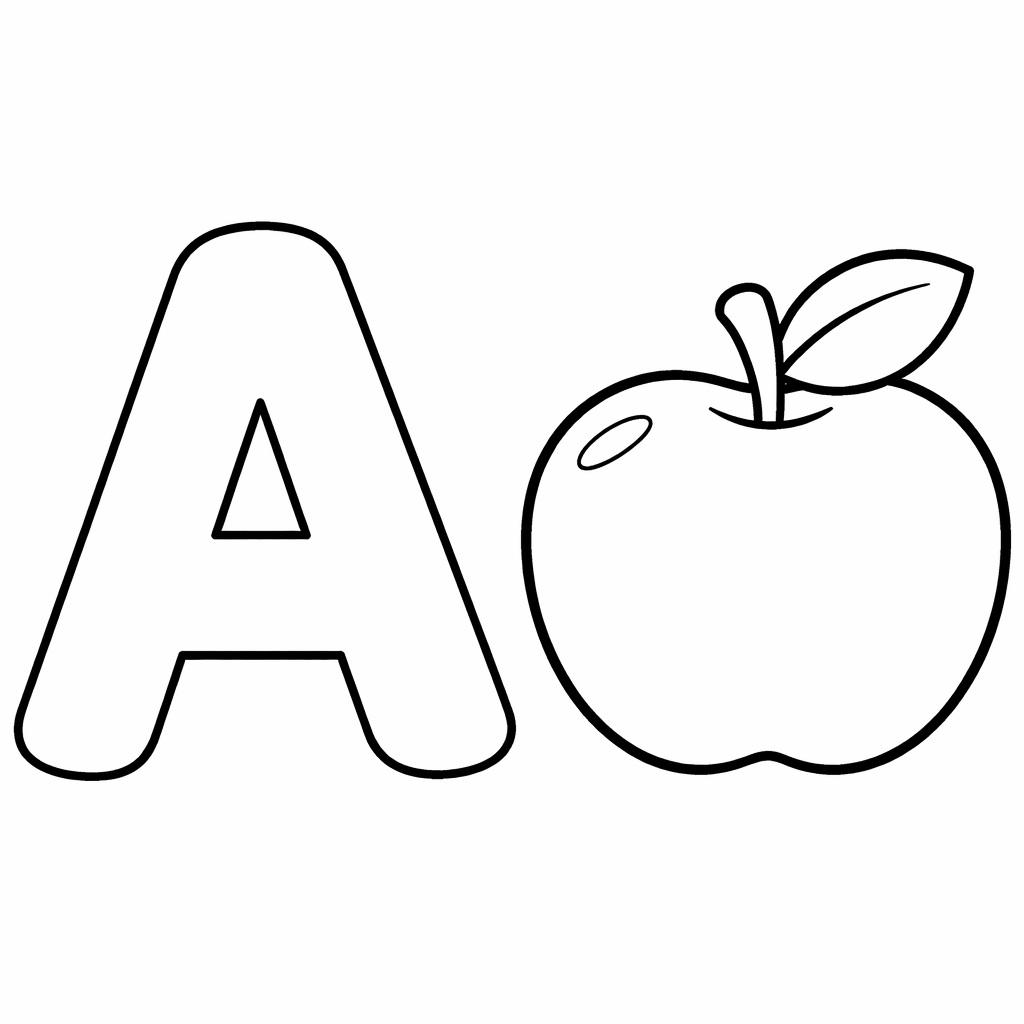
The age labels give a rough starting point. Letter A Coloring Page and the other plain pages are marked for ages three to five, and they show one letter with one simple outline, which is the right size of job for a child still learning to hold a crayon steadily. The pages with an animal beside the letter are marked for ages three to six and give a child something to talk about while the page is being coloured. Alphabet G Goat Coloring Page, Alphabet H Hippo Coloring Page, Alphabet I Iguana Coloring Page and Alphabet J Jaguar Coloring Page are marked for ages four to seven, so they suit a child who has A to F secure and is ready to move on. Nothing in the set asks a child to write the letter, so a child who cannot yet form letters in a row can still work through every page.
Extra ideas for confident readers
A child who has finished a page and wants more can go back over the letter with a second colour, which makes its shape clearer against the picture. Alphabet Apple Coloring Page has a smiling worm alongside the apple and the letter, so there is a second character to talk to and a short exchange can be invented for them. Another option is to cover the letter with a small piece of paper and let the child guess which letter it is from the picture alone. For older children, write a word on a slip of paper beside the sheet and ask them to find the letter it starts with.
Printable pages for this activity
Every page below prints on its own. Use the age label to pick a good first match for your child, then add a second page from the same activity if they want to keep going.
Questions teachers ask
- Which letter coloring pages are easiest for a young child?
- The plain pages are the easiest, including Letter A Coloring Page and Letter B Coloring Page. Each shows one large uppercase letter with a single simple outline beside it and is marked for ages three to five. No page in this hub is labelled for children under three.
- How many pages are in the letter coloring hub?
- There are 16 pages. Six show a plain letter with a simple picture, six repeat the letters A to F with an animal or themed picture, and four cover G, H, I and J with a goat, a hippopotamus, an iguana and a jaguar.
- Can I print the letter coloring pages at home?
- Yes. They are black and white line drawings with thick outlines on a plain white background, so they print on a normal home printer without any special setup. Print on plain paper at full size so the letters stay large enough to trace with a crayon.
- What do these letter coloring pages work on?
- They connect the shape of an uppercase letter with a picture whose word starts with that letter, so the child hears the sound and sees the shape in the same moment. The large printed letters also give a slow, repetitive movement for a child practising control of a crayon.